Engineer Liu

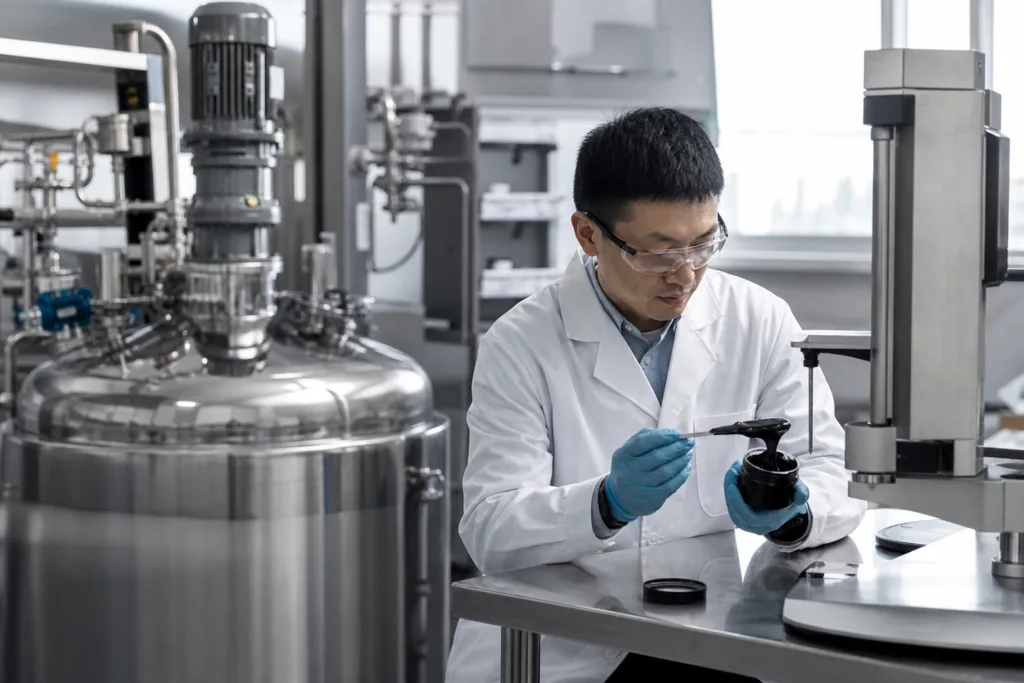
A realistic laboratory scene showing adhesive formulation work that supports stable battery adhesive dispensing.

Battery Adhesive Dispensing for Stable EV Battery Production

Stable EV battery production depends on more than choosing an adhesive with the right chemistry. In automated lines, battery adhesive dispensing has to support bead shape, cycle time, substrate variation, and cure behavior without creating downtime or rework. When the adhesive is too thin, too fast, too slow, or too sensitive to temperature change, the

Battery Adhesive Dispensing for Stable EV Battery Production Read More ยป

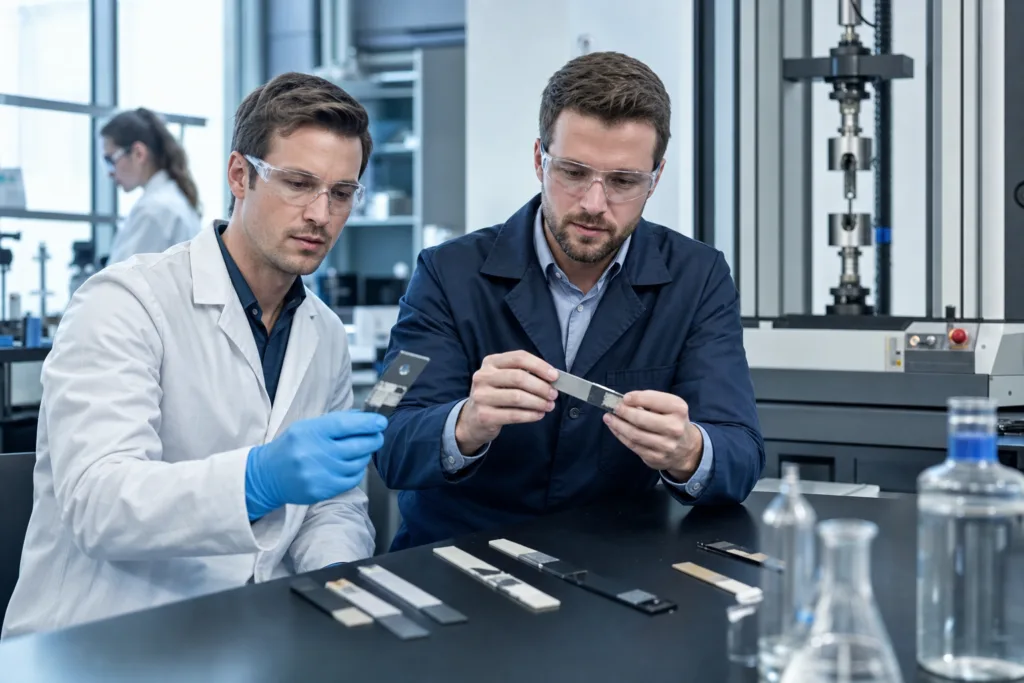
A professional laboratory scene showing technical evaluation of bonded samples after moisture exposure.

What Test Data Should Buyers Review Before Approving a Waterproofing Adhesive?

Buyers approving a waterproofing adhesive for production need more than a simple claim that the material is water resistant. In real assemblies, moisture can arrive as splash, condensation, immersion, washdown, vapor, or long-term humidity, and each exposure mode can damage a bond in different ways. That is why waterproof adhesive test data should be reviewed

What Test Data Should Buyers Review Before Approving a Waterproofing Adhesive? Read More ยป

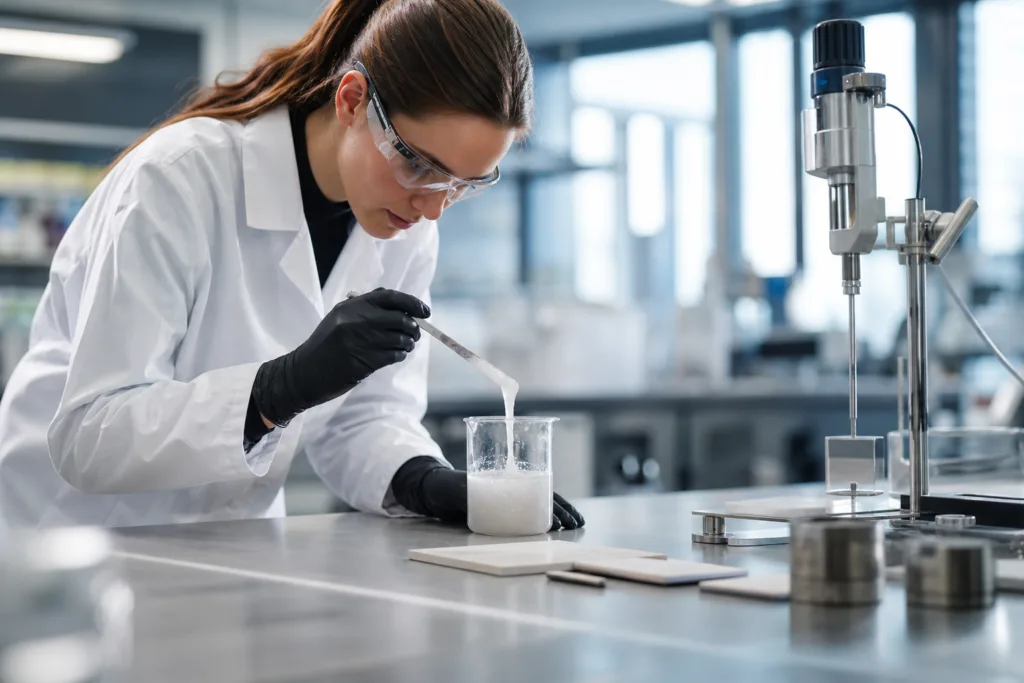
A professional adhesive lab scene showing formulation evaluation for wet-service bonding requirements.

Epoxy, Silicone, Polyurethane, UV, or Cyanoacrylate: Which Adhesive Chemistry Is Best for Wet-Service Applications?

Choosing the best adhesive chemistry for wet environments is rarely about finding one universal winner. In industrial work, wet-service conditions can mean brief washdown exposure, outdoor weathering, warm condensation cycles, high humidity, intermittent splashing, or full immersion. Each condition stresses an adhesive in a different way. Some chemistries hold load well but lose reliability when

Epoxy, Silicone, Polyurethane, UV, or Cyanoacrylate: Which Adhesive Chemistry Is Best for Wet-Service Applications? Read More ยป

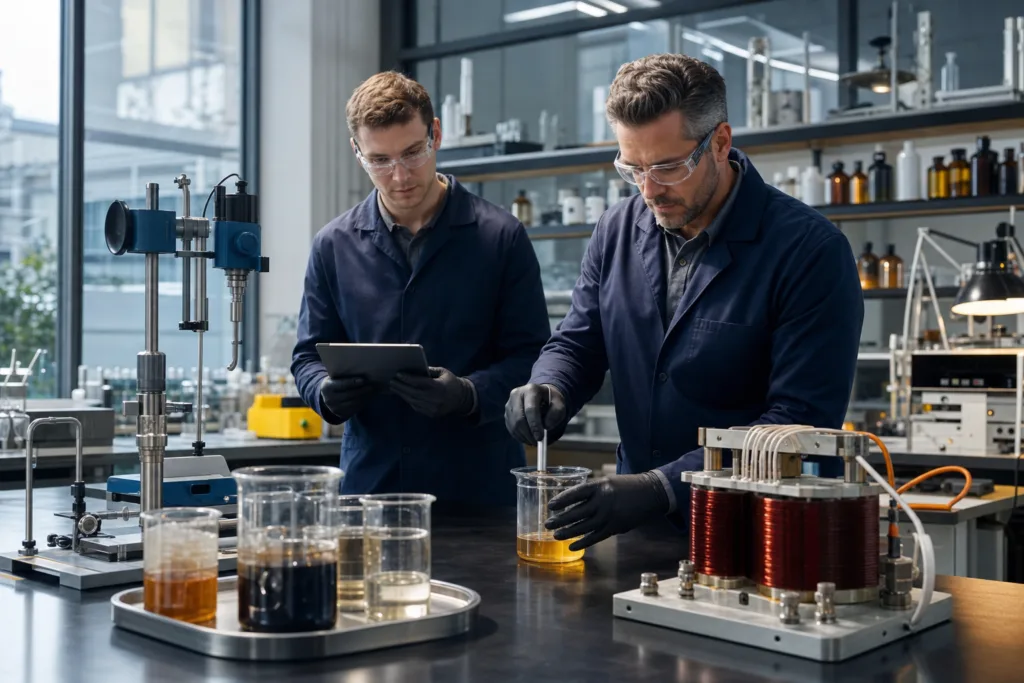
A professional adhesive lab scene showing technical evaluation of potting materials for transformers, coils, and wound electrical components.

How to Choose Potting Adhesives for Transformers, Coils, and Wound Electrical Components

Choosing the right potting adhesive for transformers, coils, inductors, and other wound electrical components is not only about filling space around a part. It is a material-engineering decision that affects insulation reliability, thermal behavior, vibration resistance, moisture protection, process yield, and long-term field performance. In our adhesive manufacturing work, we see that many sourcing problems

How to Choose Potting Adhesives for Transformers, Coils, and Wound Electrical Components Read More ยป

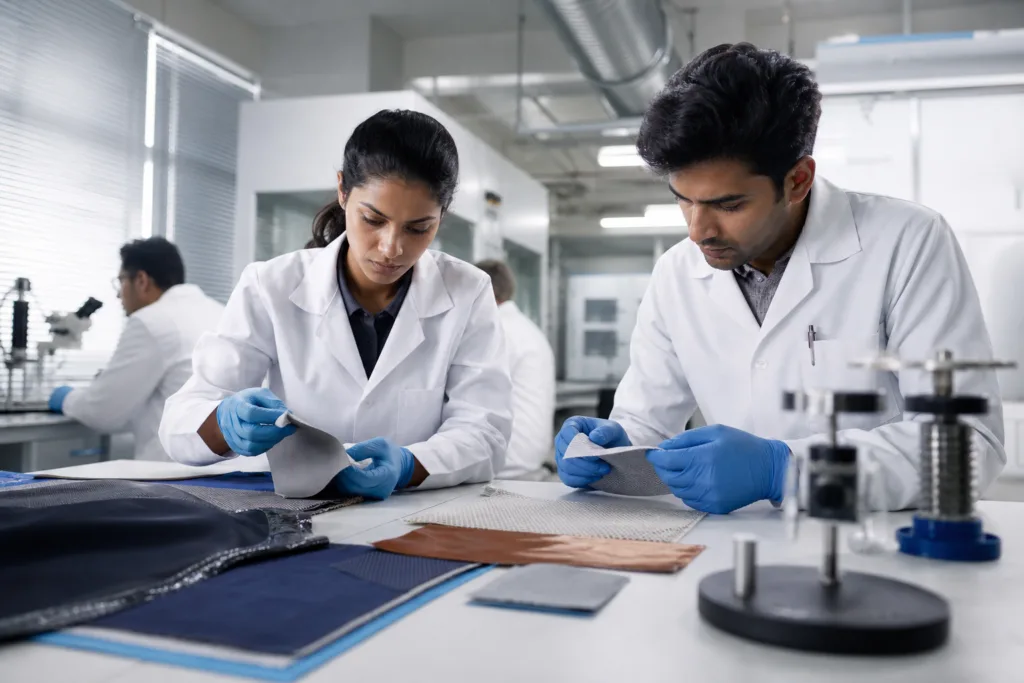
Laboratory evaluation of flexible adhesive samples for washable fabric assemblies and soft hand feel control.

Fabric-to-Fabric Adhesive Bonding: How to Maintain Softness, Flexibility, and Wash Durability

Choosing a fabric to fabric adhesive for industrial textile bonding is rarely about maximum initial strength alone. In apparel, soft goods, protective textiles, and laminated technical fabrics, the real challenge is keeping the assembly soft enough to wear, flexible enough to move, and durable enough to survive washing, folding, and repeated strain. From our adhesive

Fabric-to-Fabric Adhesive Bonding: How to Maintain Softness, Flexibility, and Wash Durability Read More ยป

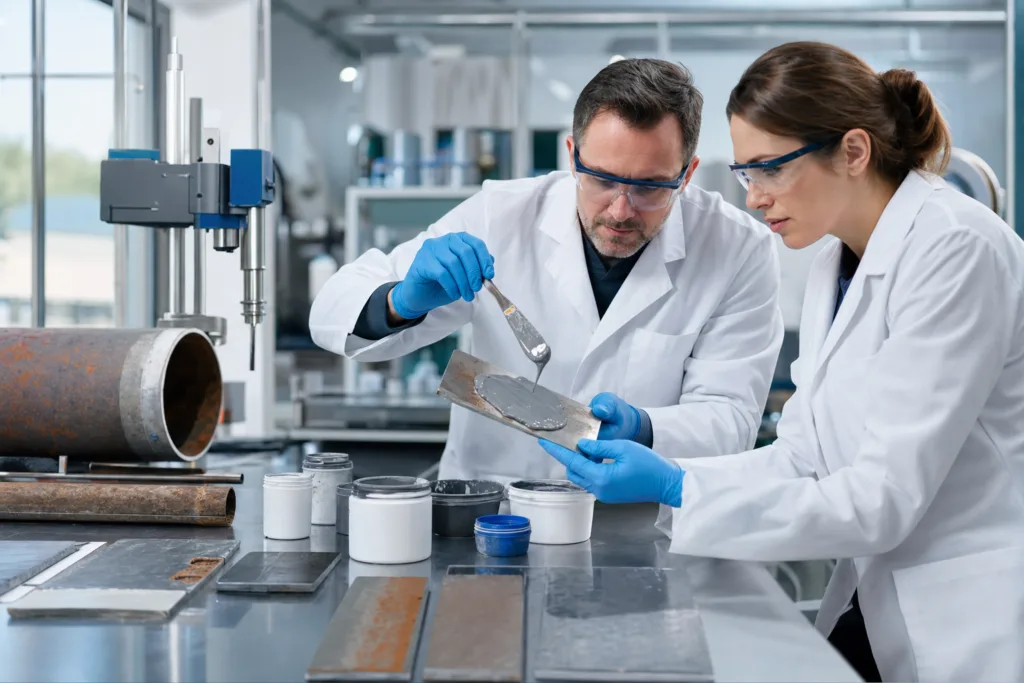
A professional adhesive lab scene showing formulation review and sample testing for chemically exposed pipeline repair applications.

Choosing Chemical-Resistant Bonding Materials for Pipeline Repair: How to Select the Right Adhesive for Corrosion, Leakage, and Harsh Industrial Media

Pipeline repair rarely fails because a team recognized damage too late. More often, failure starts when a repair material is chosen for convenience rather than for the actual chemical, thermal, and mechanical conditions in service. In chemically exposed pipelines, the adhesive or repair compound has to do more than stick. It may need to resist

Choosing Chemical-Resistant Bonding Materials for Pipeline Repair: How to Select the Right Adhesive for Corrosion, Leakage, and Harsh Industrial Media Read More ยป

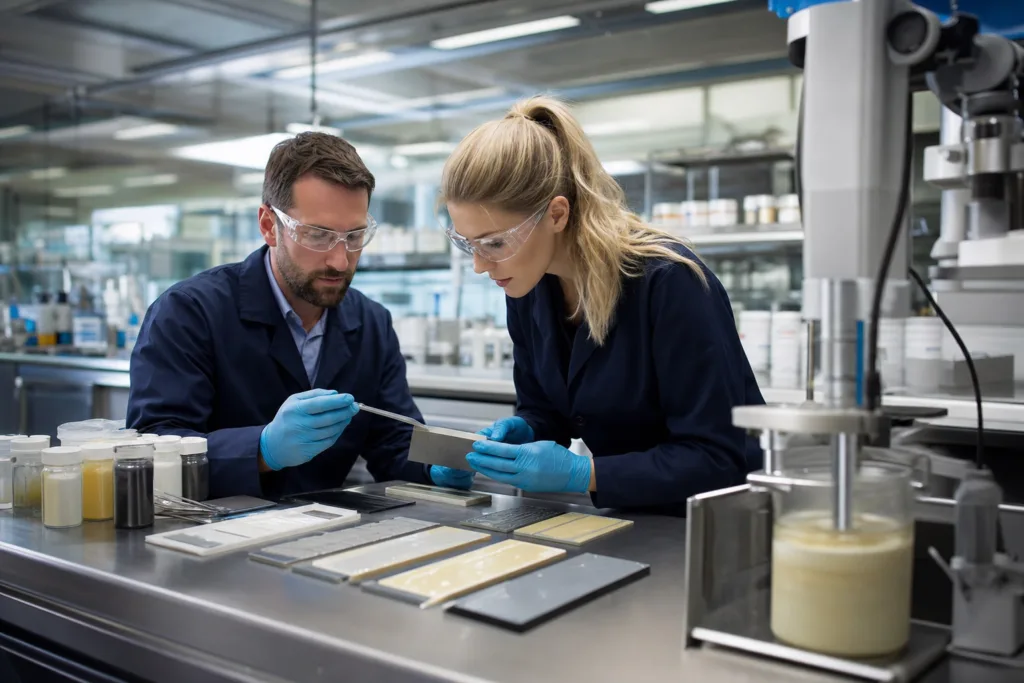
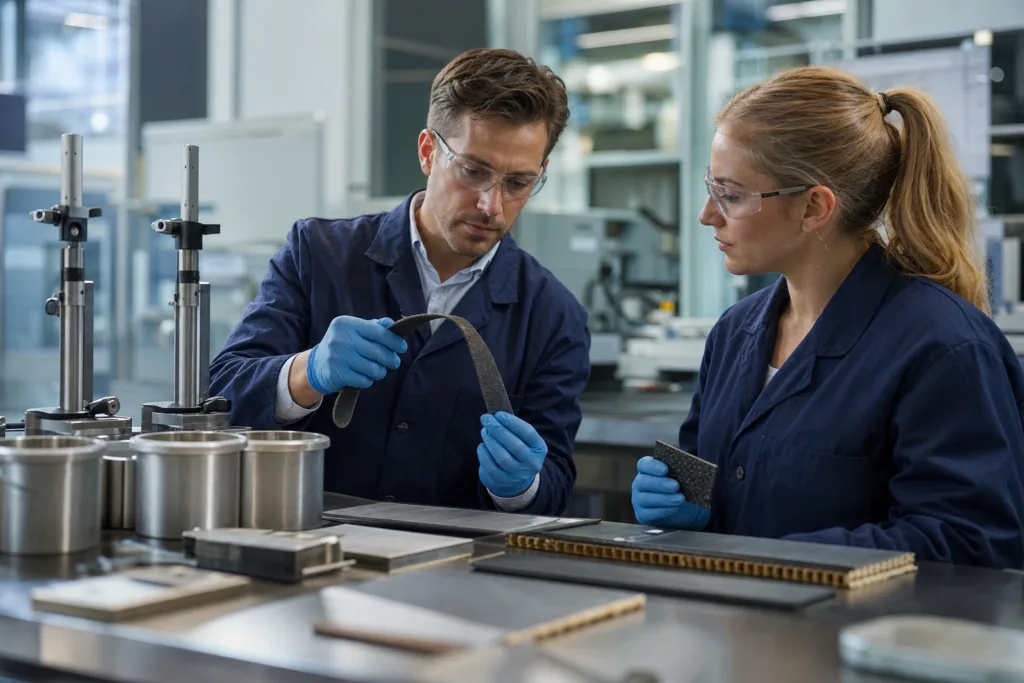
A professional adhesive lab scene showing engineers comparing bonded rubber specimens and technical test samples.

How to Read a Rubber Adhesive TDS for Peel, Flexibility, Oil Resistance, Cure, and Substrate Compatibility

A rubber adhesive data sheet can look straightforward at first glance: peel strength, viscosity, cure speed, temperature resistance, and a few substrate notes. In real sourcing and engineering work, however, those numbers only become useful when you connect them to joint design, rubber type, line conditions, and service environment. This rubber adhesive TDS guide explains

How to Read a Rubber Adhesive TDS for Peel, Flexibility, Oil Resistance, Cure, and Substrate Compatibility Read More ยป

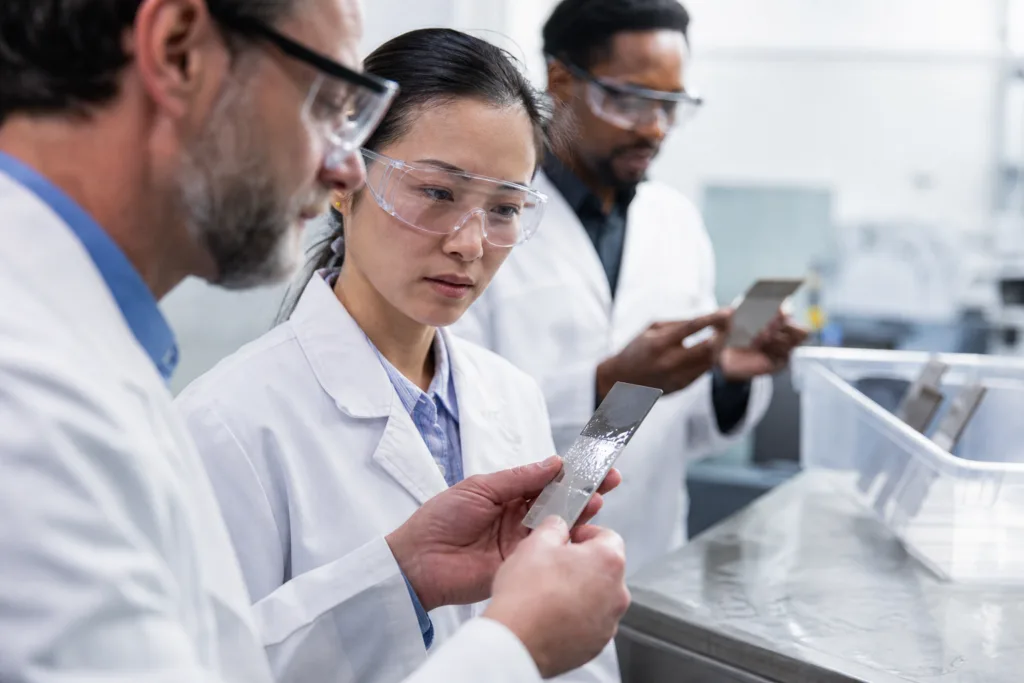
A realistic industrial lab scene showing technicians checking adhesive consistency and bond samples for moisture-resistant applications.

Industrial Adhesive Quality Control for Moisture-Resistant Bonding

Moisture-resistant bonding is rarely decided by adhesive type alone. In industrial production, long-term bond reliability depends on a chain of factors: substrate condition, formulation fit, viscosity control, cure behavior, application method, storage stability, and the discipline of quality control. For buyers evaluating adhesive supply for wood, stone, composites, or mixed-material assemblies, a practical quality framework

Industrial Adhesive Quality Control for Moisture-Resistant Bonding Read More ยป

A technical adhesive lab scene focused on wet-service bond durability evaluation with sample coupons and inspection workflow.

How Water, Humidity, and Steam Affect Adhesive Bond Strength Over Time: A Practical Guide for Wet-Service Applications

In wet-service applications, adhesive failure is rarely a simple yes-or-no event. It is usually progressive. A bond that looks acceptable after assembly can lose margin over weeks or months as water diffuses into the adhesive layer, humidity softens the polymer network, or steam accelerates hydrolytic attack at the interface. That is why understanding how moisture

How Water, Humidity, and Steam Affect Adhesive Bond Strength Over Time: A Practical Guide for Wet-Service Applications Read More ยป

ZDS LTD ยท Adhesive Manufacturer

Get the Right Adhesive Recommendation

Not sure which adhesive fits your material, process, or performance needs?
Share a few project details, and our team will suggest a suitable ZDS product or custom formulation.