Technical Knowledge

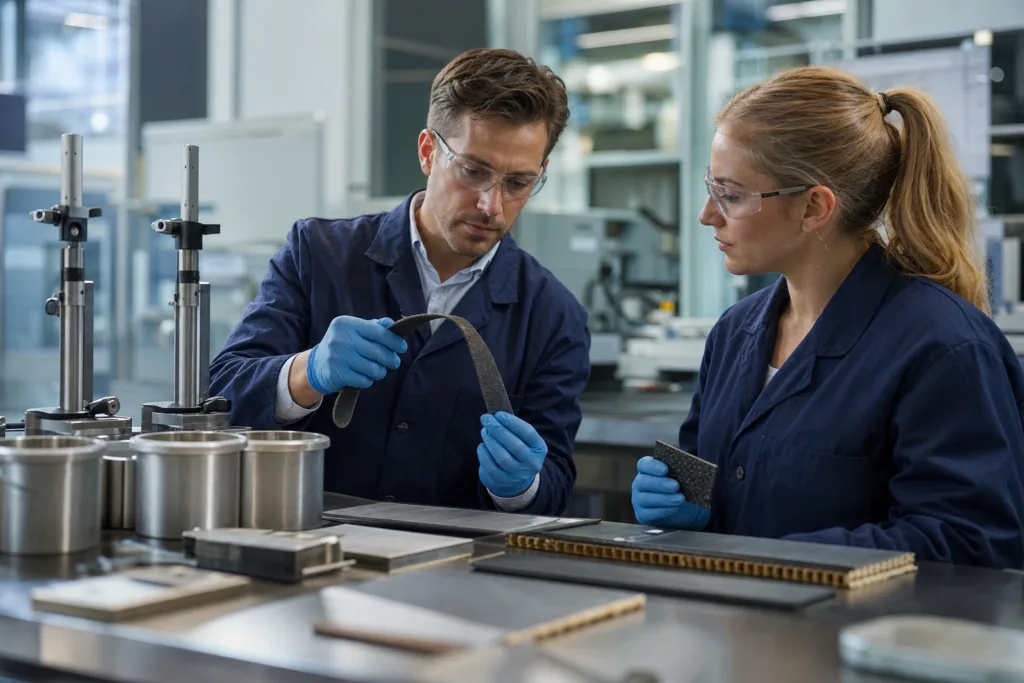
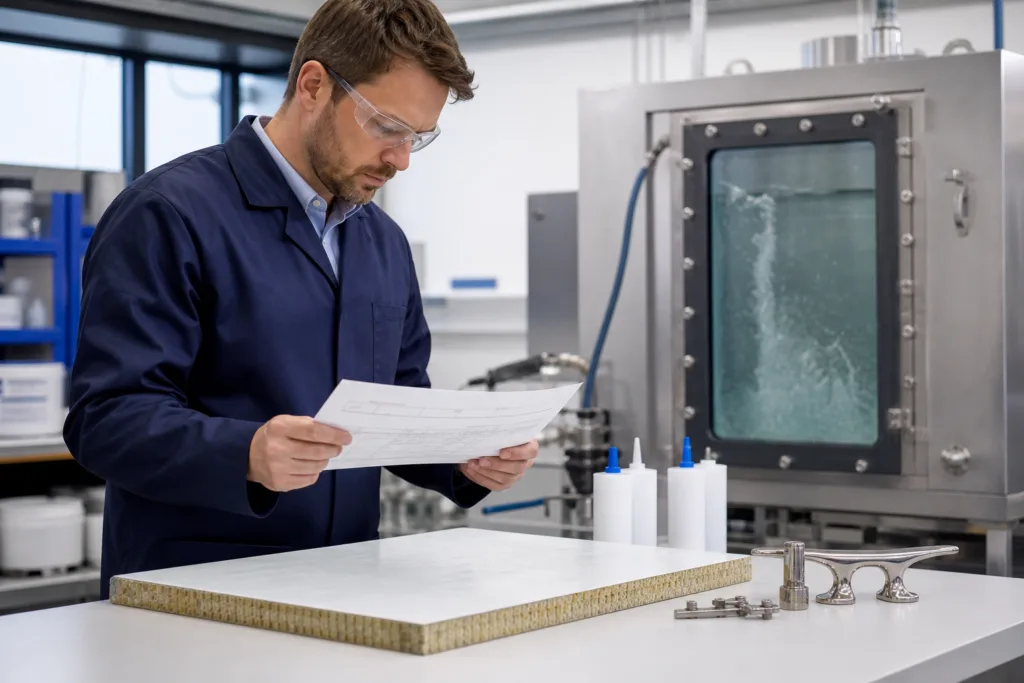
Engineer reviewing marine adhesive technical data sheets beside sample cartridges and fiberglass parts

How to Read a Marine Adhesive TDS for Real Marine Applications

Buying from a technical data sheet is not the same as buying from a label. A marine adhesive TDS guide helps engineers and procurement teams translate claims into project-relevant decisions, especially when the product is expected to face moisture, sunlight, vibration, temperature swings, and mixed substrates. For teams evaluating marine adhesive solutions for boat and

How to Read a Marine Adhesive TDS for Real Marine Applications Read More ยป

A professional adhesive lab scene showing engineers comparing bonded rubber specimens and technical test samples.

How to Read a Rubber Adhesive TDS for Peel, Flexibility, Oil Resistance, Cure, and Substrate Compatibility

A rubber adhesive data sheet can look straightforward at first glance: peel strength, viscosity, cure speed, temperature resistance, and a few substrate notes. In real sourcing and engineering work, however, those numbers only become useful when you connect them to joint design, rubber type, line conditions, and service environment. This rubber adhesive TDS guide explains

How to Read a Rubber Adhesive TDS for Peel, Flexibility, Oil Resistance, Cure, and Substrate Compatibility Read More ยป

A technical laboratory scene showing thermal adhesive formulation review and sample preparation for heat-management applications.

What Thermal Adhesive TDS Data Actually Matters: How to Read W/mยทK, Lap Shear, Viscosity, Cure, and Other Key Parameters

Thermal adhesive TDS interpretation is often treated as a quick comparison exercise, but in real sourcing and engineering work, a technical data sheet only becomes useful when you connect the numbers to bond-line thickness, substrate type, curing conditions, assembly stress, and long-term reliability. A thermal adhesive that looks impressive because of one W/mยทK value may

What Thermal Adhesive TDS Data Actually Matters: How to Read W/mยทK, Lap Shear, Viscosity, Cure, and Other Key Parameters Read More ยป

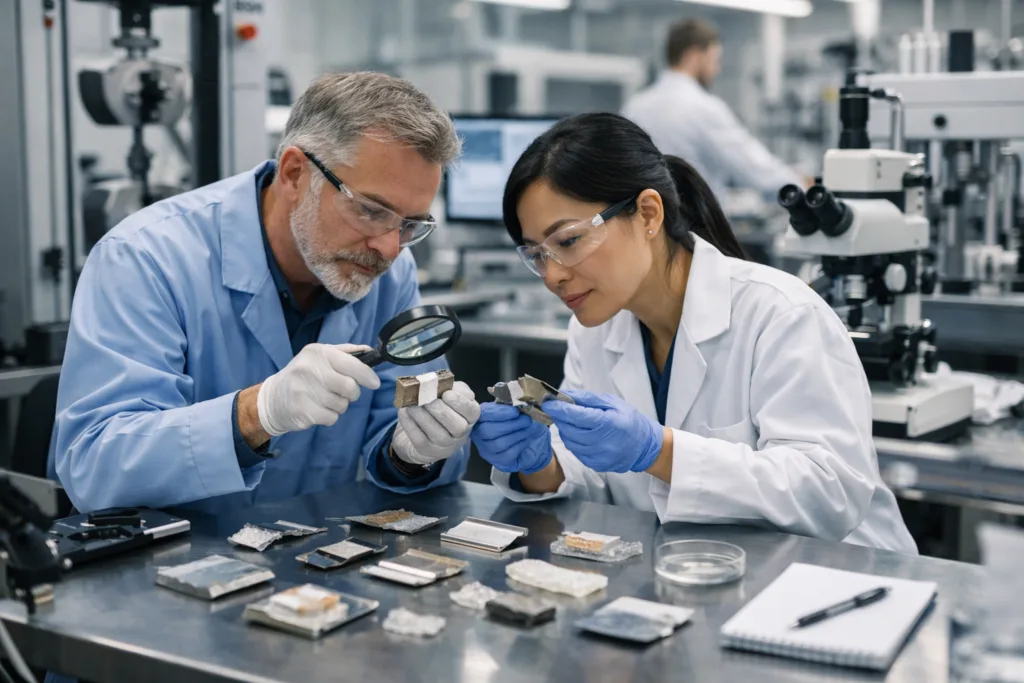
Engineers inspecting failed adhesive joints in a professional industrial laboratory.

7 Costly Reasons Adhesive Bonds Fail: Deep Dive into Failure Analysis

Adhesive Failure Analysis: Why Bonds Fail in Real Applications Adhesive failure is a leading concern across industrial, manufacturing, and maintenance sectors. Poor bonding can compromise safety, reduce product lifespan, create costly rework, or even halt production lines. This deep-dive on adhesive failure analysis covers the most frequent causes, diagnostic approaches, and how manufacturers like ZDS

7 Costly Reasons Adhesive Bonds Fail: Deep Dive into Failure Analysis Read More ยป

Engineer showing side-by-side adhesive samples, highlighting curing and drying differences in an industrial lab

Demystifying Adhesive Curing vs Drying: 7 Traps Industrial Buyers Need to Avoid

Understanding Adhesive Curing vs Drying One of the most misunderstood aspects of using industrial adhesives is the difference between curing and drying. This confusion can affect application quality, project scheduling, and even long-term bond performance. Whether you’re sourcing adhesives for manufacturing, repair, or high-value installations, knowing this distinction is foundational for process control and final

Demystifying Adhesive Curing vs Drying: 7 Traps Industrial Buyers Need to Avoid Read More ยป

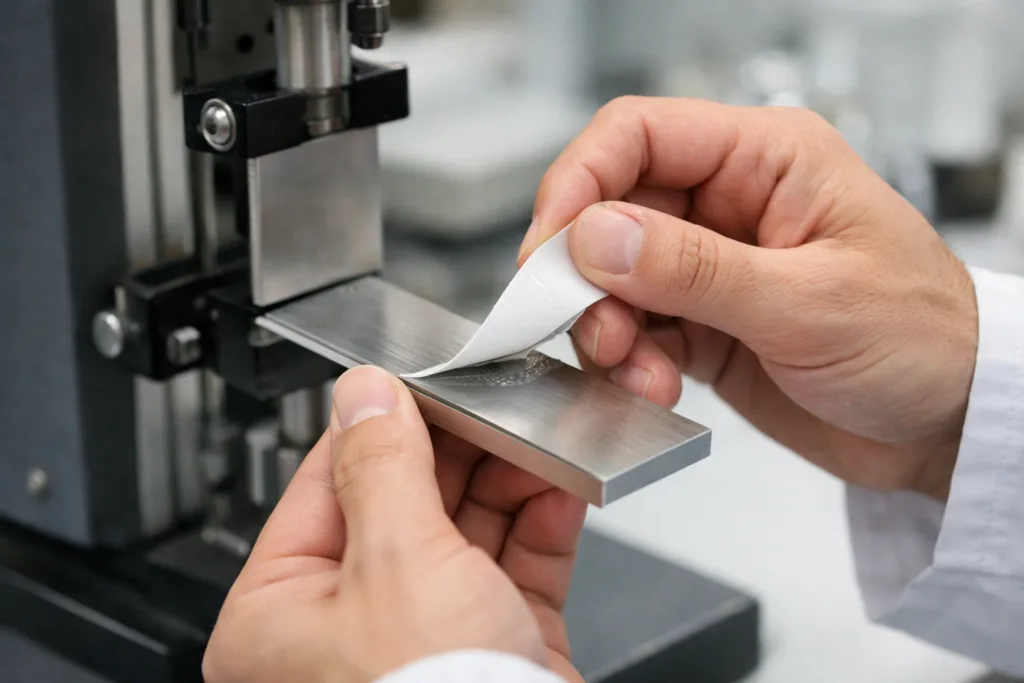
Technician measures peel strength in a controlled industrial lab environment.

Adhesive Strength Simplified: Peel, Shear, & Tensile Performance Decoded

Adhesive Strength Explained: Peel, Shear, and Tensile in Simple Terms Understanding adhesive strength is essential for any project involving bonding solutionsโ€”yet terms like peel, shear, and tensile strength can be confusing. This clear, practical guide explains these key concepts, helping engineers, buyers, and contractors avoid common mistakes and choose adhesives with confidence for specific needs.

Adhesive Strength Simplified: Peel, Shear, & Tensile Performance Decoded Read More ยป

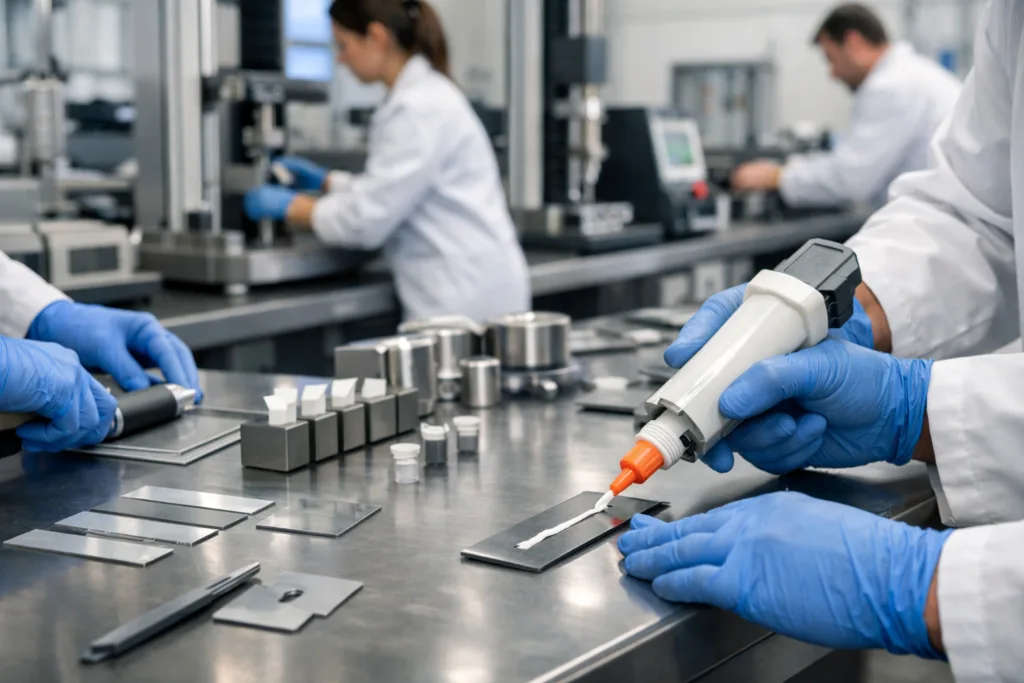
Industrial lab showing peel, shear, and tensile tests for adhesives, illustrating testing methods buyers should understand.

Practical Guide: Adhesive Testing Methods Buyers Should Understand

Adhesive Testing Methods Buyers Should Understand In industrial purchasing, understanding adhesive testing is vitalโ€”not simply for confirming performance specs, but for making informed sourcing, engineering, and application decisions. While laboratory protocols may look technical, buyers, engineers, distributors, and contractors must grasp what various tests actually prove, which result factors matter most, and why relying on

Practical Guide: Adhesive Testing Methods Buyers Should Understand Read More ยป

ZDS LTD ยท Adhesive Manufacturer

Get the Right Adhesive Recommendation

Not sure which adhesive fits your material, process, or performance needs?
Share a few project details, and our team will suggest a suitable ZDS product or custom formulation.