
Adhesive Failure Analysis: Why Bonds Fail in Real Applications
Adhesive failure is a leading concern across industrial, manufacturing, and maintenance sectors. Poor bonding can compromise safety, reduce product lifespan, create costly rework, or even halt production lines. This deep-dive on adhesive failure analysis covers the most frequent causes, diagnostic approaches, and how manufacturers like ZDS play a practical role in resolving bond failures and preventing recurrence in real-world applications.
For those evaluating adhesive systems, application methods, or manufacturer capabilities, a useful next step is to explore our main resource at Learn how adhesive failure impacts real applications and how ZDS, as a manufacturer, addresses these challenges. Readers comparing solution options may also want to review the manufacturer’s insight into optimal bonding, material compatibility, and system selection for their projects.
The Importance of Adhesive Failure Analysis in Industry
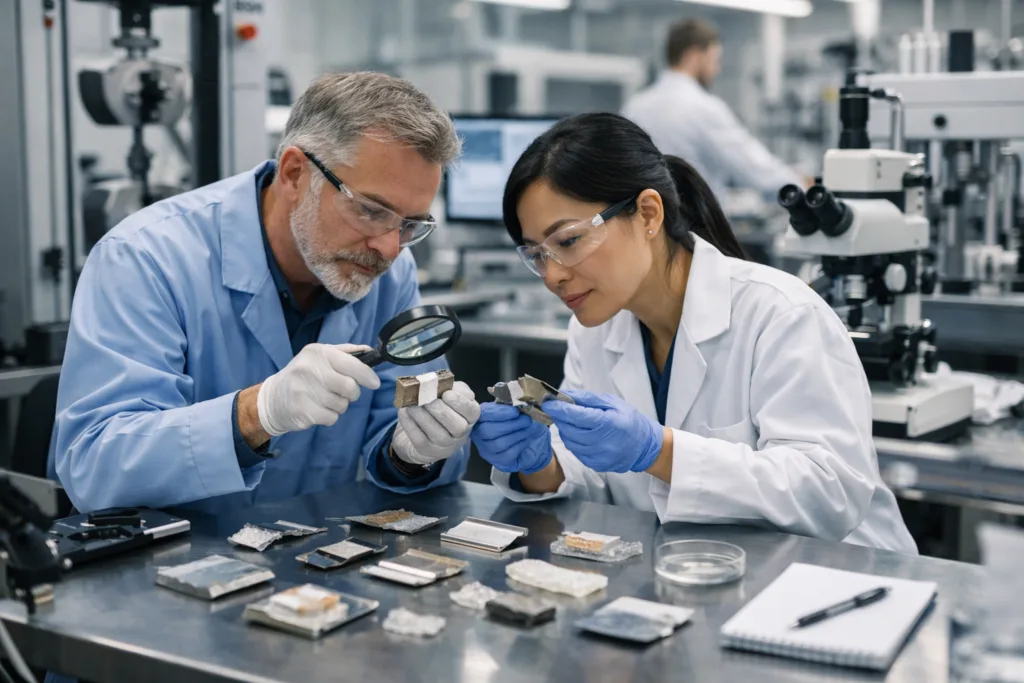
Adhesives are integral to modern manufacturing—from automotive assembly and electronics encapsulation to building repair and aerospace applications. When a bond fails, the result can be product recalls, equipment downtime, or safety concerns. Understanding why bonds fail is more than a quality-control issue—it’s a critical element in maintaining operational reliability and competitive advantage.
Top 7 Reasons Adhesive Bonds Fail
Inadequate Surface Preparation
Unclean, oily, or rough surfaces prevent proper adhesive penetration and anchoring. Common errors include skipping degreasing, using incorrect abrasives, or failing to dry substrates completely.
Poor Adhesive Selection
This occurs when an adhesive’s chemistry does not match the substrate or application demands. For example, using a low-strength adhesive on metal joints, or choosing a rigid epoxy for flexible plastics, often leads to rapid bond failure.
Incomplete Curing
Failure to reach full chemical cure due to wrong ratios, insufficient time, or environmental factors (humidity, temperature) can cause weak bonds. Understanding why curing versus drying matters for adhesive performance is essential for durability.
Environmental Incompatibility
Adhesive bonds can degrade under conditions like extreme temperatures, moisture, UV exposure, or chemical contact. Selection must account for application-specific stresses.
Incorrect Load Bearing or Stress Distribution
When adhesive joints are designed without proper consideration of peel, shear, or tensile loads, the bond often fails prematurely. Adhesives must be chosen and applied based on expected load dynamics.
Contamination During Application
Fingerprints, dust, release agents, curing by-products, or mixing contaminants often disrupt bond integrity. Quality assurance should include strict handling protocols.
Process Control Failures
Variability in mixing, dispensing, or application speed can introduce inconsistencies. Robust process documentation minimizes risks from batch to batch.
How to Systematically Diagnose Bond Failure
Visual Inspection
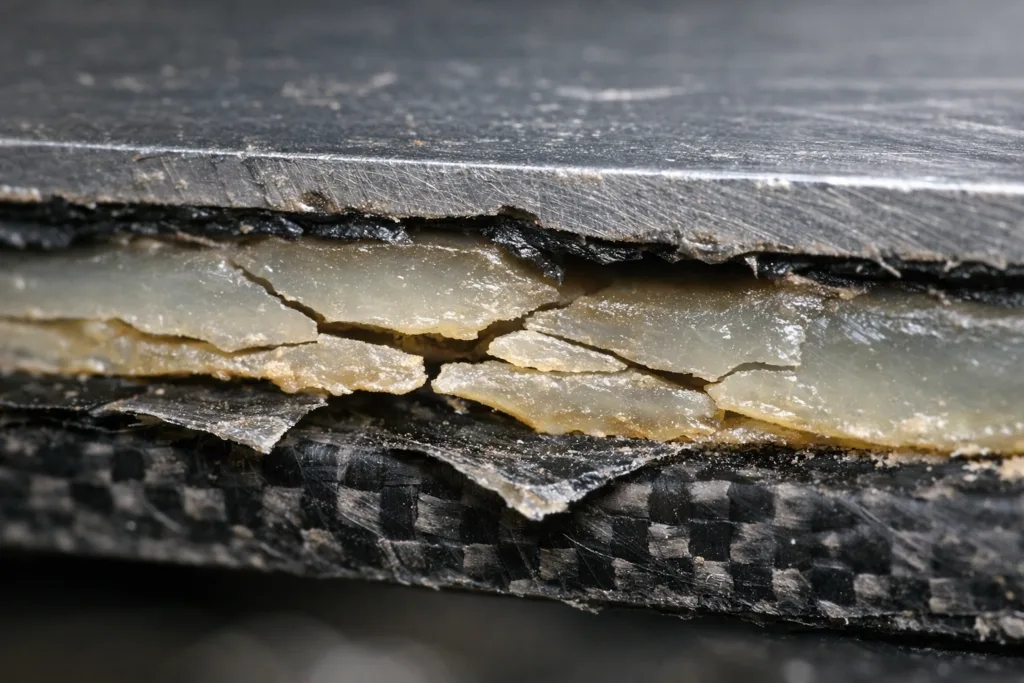
Start with evidence: are there bubbles, cracks, discoloration, delamination, or uneven edges?
Physical Testing
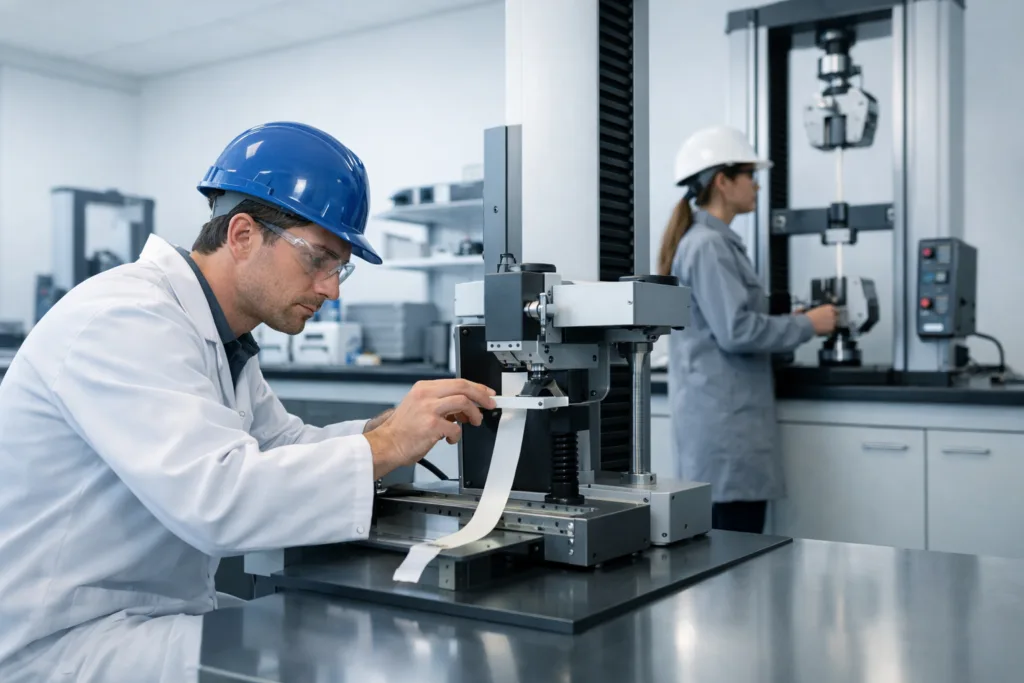
Use peel, shear, and tensile tests to quantify bond strength and failure modes. If a joint separates with minimal force, it suggests either adhesive or substrate failure.
Chemical and Spectroscopic Analysis
Techniques like FTIR, SEM, or EDS help identify contaminants, unreacted monomers, or surface residues impeding bond formation.
Reviewing Process Parameters
Scrutinize documentation: mixing ratios, cure schedules, environmental controls, and batch records often reveal process drift.
Comparing Material Compatibility
Inspect whether the adhesive matches substrate specifications. Some materials require primers or specialty formulations, such as high-strength epoxy adhesive for challenging industrial bonding.
Reproducing Failure Under Controlled Conditions
Simulating stress, temperature, or humidity in a lab helps pinpoint how and why failure occurs, and which proposed solutions work better.
Documenting All Observations
Detailed records allow comparison across multiple batches, materials, and environmental changes. Documentation can also reveal recurring systemic weaknesses.
Surface Preparation: The Foundation of Durable Bonds
The Role of Cleaning and Decontamination
Every substrate—from metals to plastics—requires specific cleaning protocols. Over-cleaning can also damage surfaces, so balance is crucial.
Mechanical Treatment: Abrasion and Profiling
Methods such as sandblasting, grinding, or laser etching create micro-texture, promoting mechanical anchoring. ZDS often recommends substrate profiling for high-performance bonds.
Primer and Surface Activation
Some adhesives require a primer or chemical surface treatment. These steps enhance surface energy and chemical bonding potential, especially for low-energy plastics.
The Impact of Adhesive Selection on Failure Rates
Chemical Compatibility with Substrates
The right adhesive interacts with substrate chemistry. For example, chlorinated polyolefins for plastics, or epoxy systems for metals.
Performance Requirements: Beyond Strength
Considerations like flexibility, shock absorption, and electrical insulation can be decisive. In electronics, UV adhesives often perform better due to precise curing control; see UV adhesive manufacturer solutions for advanced bonding.
Environmental Resistance Considerations
Applications exposed to moisture, heat, or chemicals demand adhesives designed for these conditions. Silicones or epoxies with modified fillers often excel in harsh environments.
Incomplete Curing: Hidden Weakness in Bonds
Causes of Incomplete Cure
Improper mix ratios, insufficient agitation, or premature exposure to stress prevent full polymerization. Some systems require elevated temperature or humidity control for optimal curing.
How Cure Timing Affects Performance
Early handling or loading before full cure increases the risks of micro-cracks or long-term fatigue. Proper cure tracking is essential for industrial reliability.
Environmental Misfit: Matching Adhesive to Service Conditions
Temperature Range and Thermal Cycling
Adhesives must withstand operational extremes. If a bond faces constant thermal expansion/contraction, rigid adhesives often fail, whereas flexible systems endure.
Moisture, UV, and Chemical Exposure
Evaluate adhesive resistance against all expected environmental factors. Specialty systems like polyaspartic or modified urethanes may suit aggressive settings.
Load Design and Stress Distribution
Understanding Peel, Shear, and Tensile Loads
Bond orientation, joint geometry, and applied forces determine failure risk. Design adhesives for the highest expected load, and avoid sharp transitions that focus stress.
Joint Design Best Practices
Wide overlap, fillet application, and gradual transitions help distribute load. Testing these designs before scale-up reduces long-term risk.
Contamination Control: Preventing Hidden Weakness
Handling Protocols and Cleanroom Practices
Minimize airborne particles, human contact, and extraneous substances during application. In sensitive environments, employ cleanroom or glove protocols.
Batch Verification and Testing
Regular batch testing and in-process inspections catch issues before they affect full production.
Process Control: Ensuring Consistency in Adhesive Application
Mixing and Dispensing Methods
Automation, calibrated dispensing, and real-time monitoring help maintain mix quality—especially important for two-part systems.
Batch Documentation and Traceability
Tracking every step enables quick identification and correction when failures arise. Traceability is crucial for industries like automotive or aerospace.
Systematic Approach to Adhesive Failure Analysis
Step-By-Step Diagnostic Workflow
- Collect detailed failure samples with photographs
- Compare against process and batch documentation
- Conduct mechanical, chemical, and visual testing
- Identify root cause (surface, adhesive, environment, load, contamination, process)
- Recommend corrective actions
How Manufacturers Like ZDS Contribute to Problem Solving
Manufacturers play a proactive role by offering technical guidance, custom formulation, and failure analysis expertise. ZDS often collaborates with engineers and buyers on site audits, material compatibility trials, and quality checks to address and prevent bond failures. This integrated approach fosters long-term reliability for industrial clients.
Adhesive Failure Analysis
In-depth adhesive failure analysis is invaluable for buyers, engineers, and maintenance professionals aiming to maximize reliability and minimize downtime. Systematic investigation addresses root causes effectively and prevents recurring issues. For those planning new projects or troubleshooting existing bonds, partnering with knowledgeable manufacturers yields measurable improvements in performance and process control.
Conclusion: Key Takeaways for Preventing Adhesive Bond Failure
Adhesive failure analysis reveals that most bond failures trace back to a handful of root causes: poor surface preparation, incorrect adhesive selection, incomplete curing, environmental mismatch, load design errors, contamination, and process control breakdowns. Diagnostic discipline and technical collaboration—especially with a manufacturer—create the best defense against repeat failures. Industrial users benefit from integrating failure analysis, robust process tracking, and ongoing technical support for reliable, efficient bonding across projects and applications.
Frequently Asked Questions
What are the most common reasons industrial adhesives fail?
Failures often stem from insufficient surface preparation, incompatible adhesive selection, incomplete curing, environmental mismatches, improper load design, contamination, or inconsistent application procedures.
How can surface preparation affect adhesive performance?
Dirty, oily, or incorrectly abraded surfaces limit adhesion, leading to weak and unreliable bonds. Proper cleaning and mechanical profiling ensure strong anchoring and chemical interaction.
Why is adhesive curing important for bond strength?
Incomplete curing results in weak polymer chains and unstable bonds. Accurate timing, environment control, and mixing procedures are essential for full cure and reliable performance.
What tests are used in adhesive failure analysis?
Peel, shear, and tensile tests quantify bond strength. Chemical tests, microscopy, and spectroscopic analysis help identify root causes such as contamination or incomplete cure.
How can manufacturers help solve adhesive failure problems?
Manufacturers provide formulation guidance, compatibility testing, site audits, and technical troubleshooting to analyze failure causes and tailor adhesive solutions for specific applications.
What steps can prevent recurring adhesive bond failure?
Implement systematic surface prep, select adhesives based on chemical and environmental compatibility, monitor process controls, and consult manufacturers for troubleshooting and guidance.