Plastic Adhesive Manufacturer

Custom adhesive solutions for plastic bonding, plastic assembly, mixed-material joining, sealing, fixing, and industrial manufacturing.

Plastic adhesives are used to bond ABS, PC, PVC, PET, PMMA, nylon, and other engineering plastics in product assembly. They can also support plastic bonding with metal, glass, rubber, PCB, ceramics, and composite materials.
As an adhesive manufacturer, ZDS develops and supplies custom plastic adhesive solutions for electronics, automotive parts, appliances, LED lighting, sensors, consumer products, industrial equipment, and new energy applications.

Get Best Solution

Plastic Adhesive Solutions for Industrial Manufacturing

Plastic bonding is more complex than it may appear. Different plastics have different surface energy, hardness, flexibility, chemical resistance, and heat tolerance. An adhesive that works well on one plastic may not work on another.

The right plastic adhesive should match:

  • Plastic type
  • Surface condition
  • Material combination
  • Bonding strength requirement
  • Curing process
  • Working environment
ZDS helps customers select or customize plastic adhesives based on real production needs, not only the material name.

What Are Plastic Adhesives Used For?

Plastic adhesives are used to bond, fix, seal, reinforce, or assemble plastic parts in many industrial products.

Common Uses Include:

  • Plastic-to-plastic bonding
  • Plastic-to-metal bonding
  • Plastic-to-glass bonding
  • Plastic-to-rubber bonding
  • Plastic-to-PCB bonding
  • Plastic housing assembly
  • Transparent plastic bonding
  • Appliance part bonding
  • Automotive plastic component assembly
  • Electronic enclosure assembly
  • LED and lighting component bonding
  • Sensor housing fixing
  • Consumer product assembly
  • Small plastic part positioning
  • Plastic sealing and gap filling
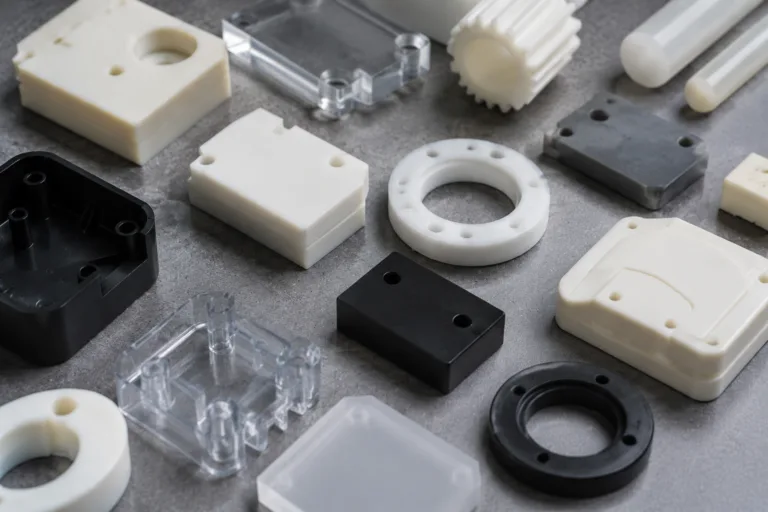
A clean manufacturing-style product photo illustrating multiple plastic adhesive applications, including plastic-to-plastic, plastic-to-metal, plastic-to-glass, and plastic-to-rubber bonding, with housings, transparent parts, and industrial components.

Plastic Adhesives by Application

A realistic close-up product photography scene showing adhesive bonding between plastic components such as ABS or PC, with a clean visible joint in an electronics or appliance manufacturing environment.

Plastic-to-Plastic Bonding Adhesives

Used to join plastic parts with stable adhesion and clean assembly performance.
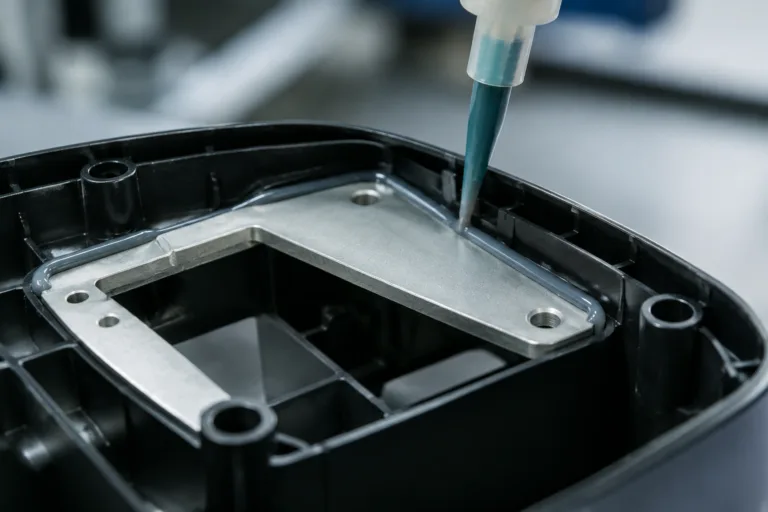
A realistic close-up product photo showing plastic-to-metal adhesive bonding on a metal insert, bracket, or frame attached to a plastic housing in a clean industrial assembly environment.

Plastic-to-Metal Bonding Adhesives

Used when plastic structures need to bond with metal inserts, frames, brackets, or functional components.
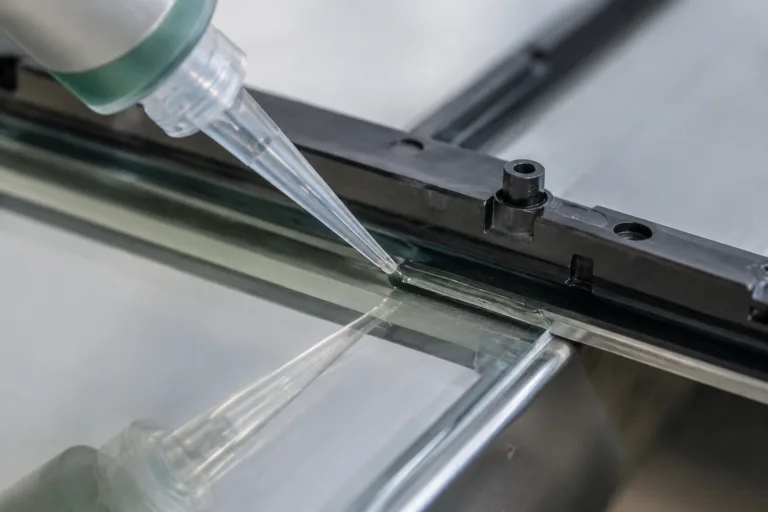
A realistic close-up scene showing transparent adhesive applied to bond a plastic frame with a glass panel, emphasizing a neat bonding line in a professional lighting or display assembly environment.

Plastic-to-Glass Bonding Adhesives

Used where plastic and glass must be joined with strength and clean appearance.
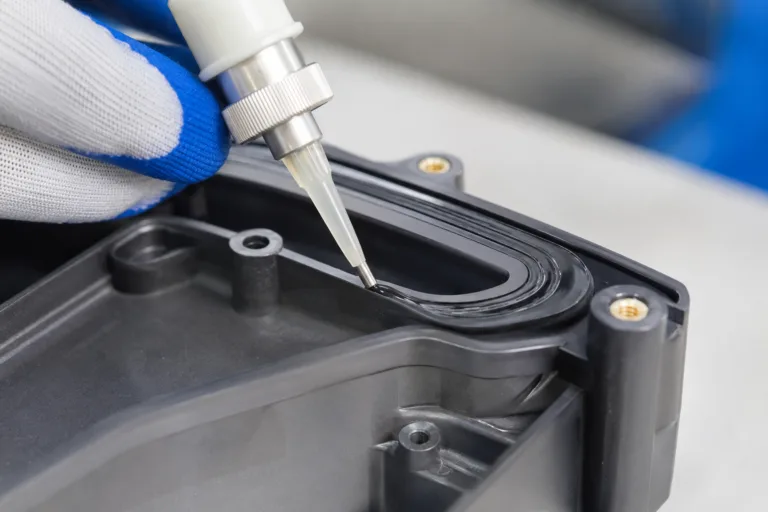
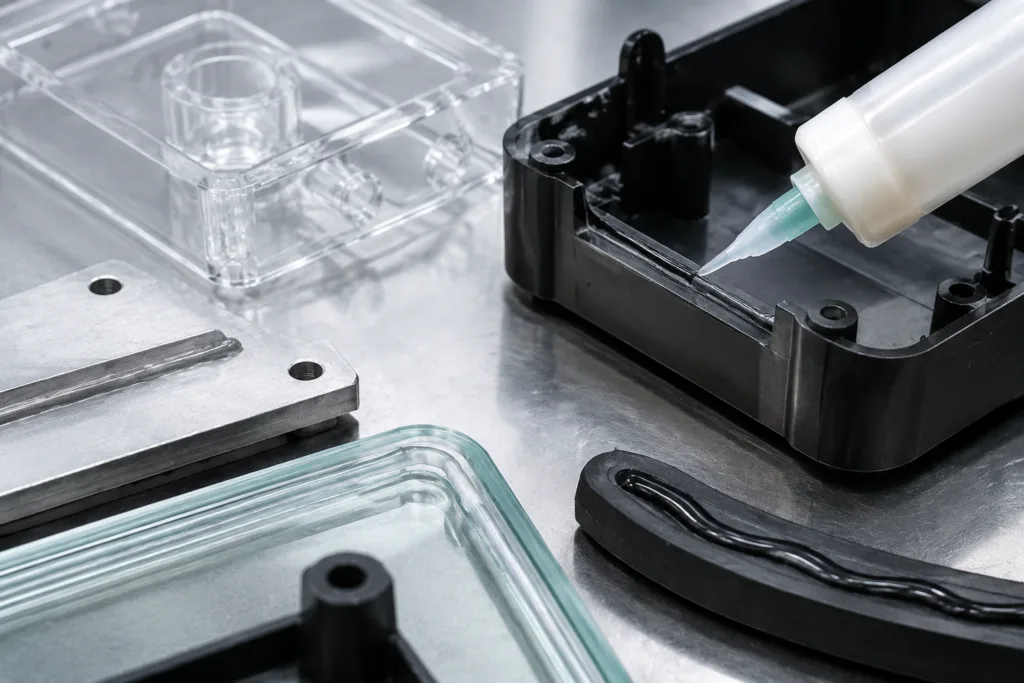
A realistic close-up product photo showing plastic-to-rubber bonding adhesive applied between a plastic housing and a rubber seal or gasket, with a visible flexible adhesive layer in a professional manufacturing setting.

Plastic-to-Rubber Bonding Adhesives

Used for flexible structures, sealing parts, protective components, and vibration-related assemblies.
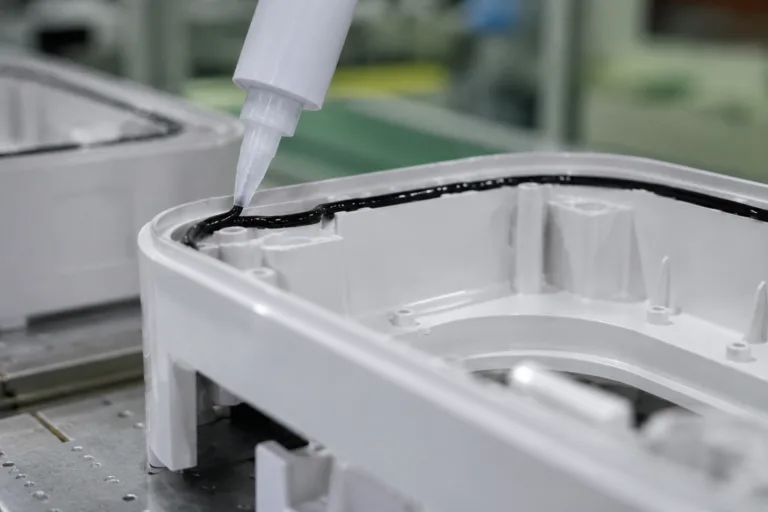
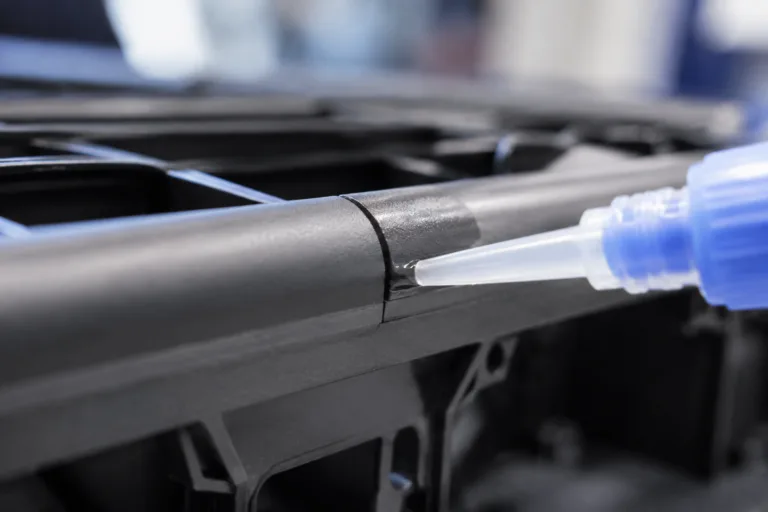
A realistic close-up factory scene showing adhesive bonding and sealing along a plastic housing joint for electronics or sensor products.

Plastic Housing Assembly Adhesives

Used for bonding and sealing plastic enclosures in electronics and industrial products.
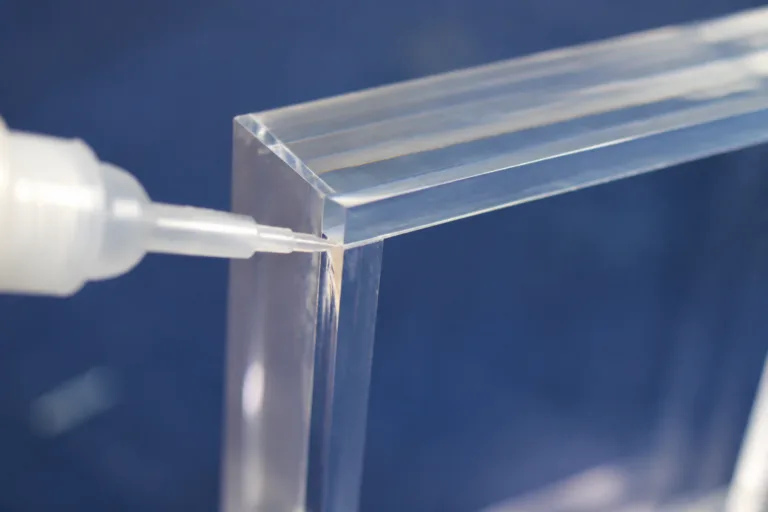
A realistic industrial close-up showing clear adhesive joining transparent plastic or acrylic parts with a clean, nearly invisible bond line, suitable for display or lighting component assembly.

Transparent Plastic Bonding Adhesives

Used where bonding line clarity, neat appearance, and low yellowing matter.
ZDS Plastic Adhesive

ModelCategoryAppearanceViscosityCuringMore
ZDS-5013ABEpoxyMore
ZDS-2186ABAcrylicAmber liquid18000-30000 cps5-8 min @25ยฐCMore
ZDS-PA1600ABAcrylic8 min @25ยฐCMore
ZDS-703ABEpoxyMore
ZDS-5017ABAcrylicMore
ZDS-1346ABAcrylic5 min @25ยฐCMore
ZDS-4018ABUV1200-1800 cps10-30 s @365-405nmMore
ZDS-5014ABEpoxy24 h @25ยฐCMore
ZDS-1101ABEpoxy50000-80000 cps30 min @25ยฐCMore
ZDS-2109011AcrylicColorless to light yellow transparent liquid12000-35000 cps150-200mj (50W LED light 395nm)More
ZDS-2201061UVTransparent or yellowish liquid7 cps200 mJ @ 365/395nm LED lightMore
ZDS-2011031UVTranslucent liquid (thixotropic)10000-25000 cps880mj exposure (2KW medium pressure mercury lamp)More

Custom Plastic Adhesive Options

As a custom adhesive manufacturer, ZDS can adjust plastic adhesive properties based on your plastic type, structure, production process, and final performance goals.

Customizable Properties Include:

  • Bonding strength
  • Viscosity
  • Curing speed
  • Working time
  • Initial tack
  • Final hardness
  • Flexibility
  • Transparency
  • Low yellowing performance
  • Gap filling ability
  • Heat resistance
  • Low-temperature resistance
  • Water and moisture resistance
  • Chemical resistance
  • UV resistance
  • Impact resistance
  • Electrical insulation
  • Packaging for manual or automated dispensing
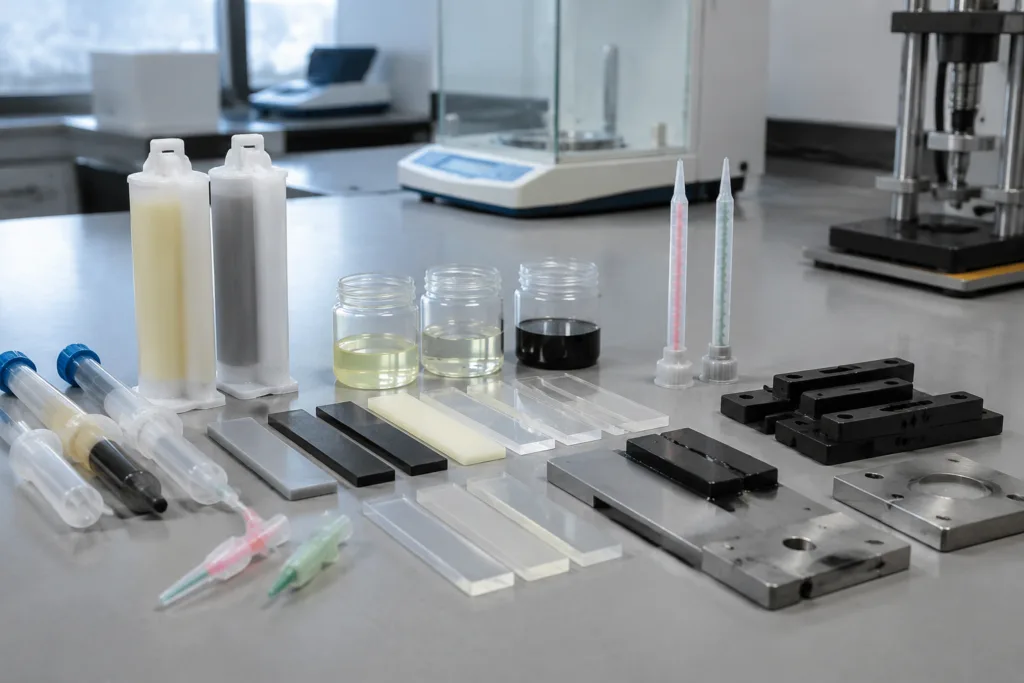
A realistic technical workbench scene depicting custom plastic adhesive formulation development with industrial adhesive samples, cartridges, syringes, transparent samples, ABS and PC test coupons, and plastic-to-metal bonded specimens in a clean laboratory setting.

Choosing the Right Plastic Adhesive

A plastic adhesive should be selected based on the exact plastic grade and product requirement. โ€œPlasticโ€ is a wide category, not one single surface.
A clean technical product photo showing multiple engineering plastic samples used to evaluate adhesive selection and bonding performance.

Plastic Type

Are you bonding ABS, PC, PVC, PET, PMMA, nylon, PP, PE, or another plastic material?
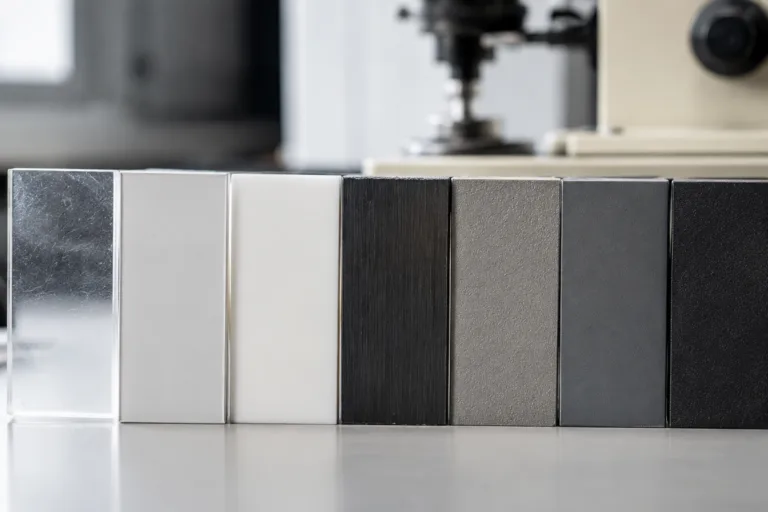
A subtle industrial lab scene comparing plastic samples with different surface energy properties for adhesive selection, presented in a professional product photography style.

Surface Energy

Some plastics bond more easily, while others may need special adhesive selection or surface treatment.
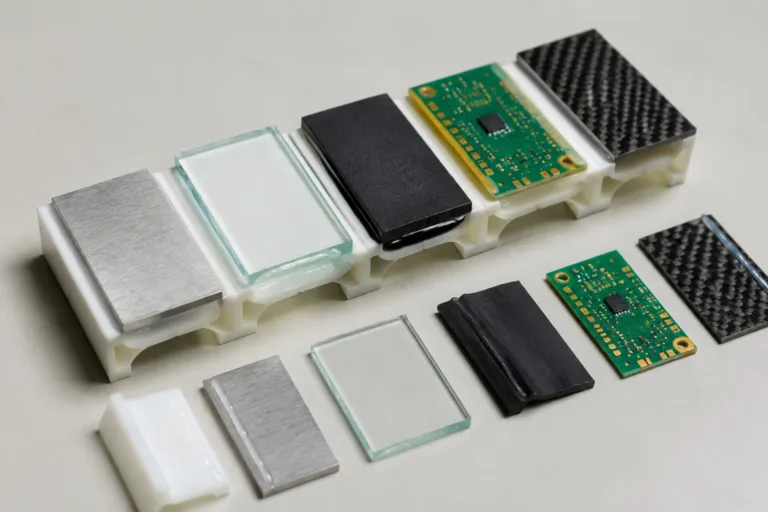
A realistic technical product photography scene focused on selecting adhesives for plastic bonding with multiple material pairings for evaluation.

Material Combination

Is it plastic-to-plastic or plastic bonded with metal, glass, rubber, PCB, or composite materials?
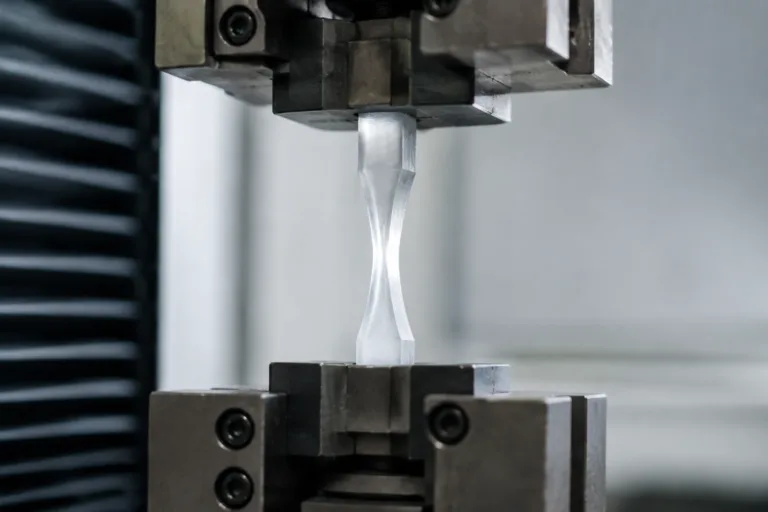
A realistic professional product photo showing bonded plastic parts under gentle stress testing, highlighting adhesive joint performance and bonding strength for plastic adhesive selection.

Bonding Strength Requirement

Does the part need light fixing, moderate assembly strength, structural performance, or quick positioning?
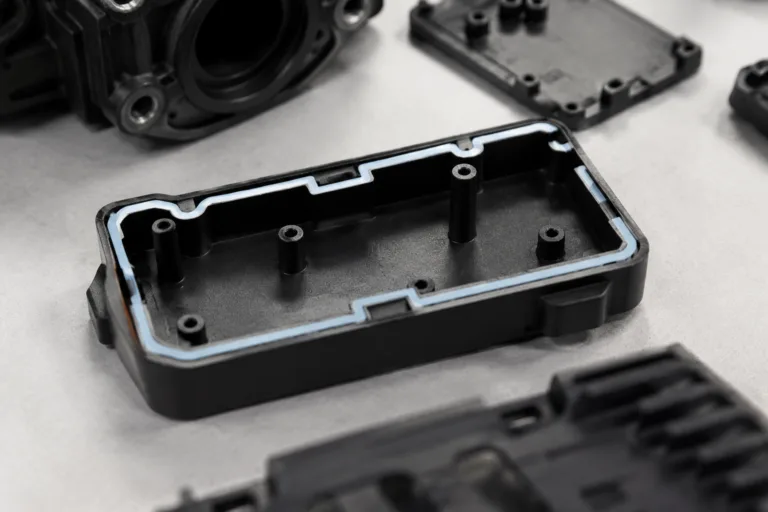
A realistic manufacturing close-up highlighting gap size and joint design considerations for plastic adhesive selection, with clean professional product photography and precision plastic parts.

Gap Size and Joint Design

Is the adhesive used in a thin line, wider gap, edge joint, vertical surface, or small bonding area?
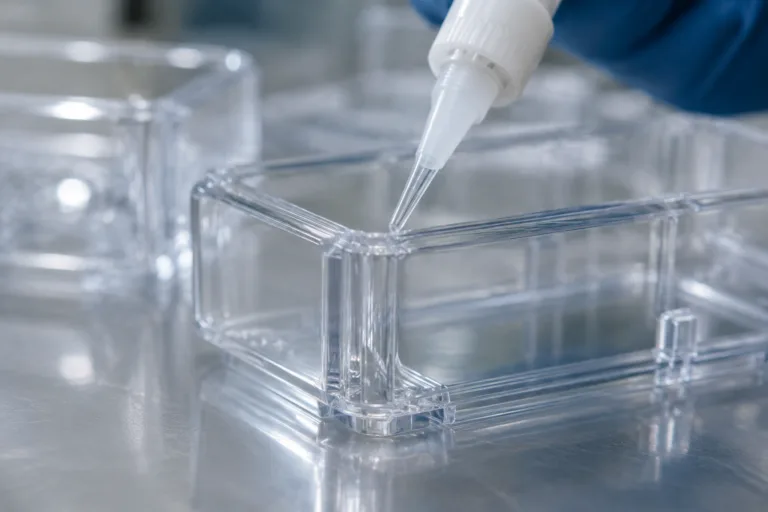
A realistic close-up industrial product photo of transparent plastic parts highlighting clean adhesive bonding, bubble-free clarity, and a neat premium finish.

Appearance Requirement

Does the finished product need a clear bond line, low yellowing, clean edges, or hidden adhesive?
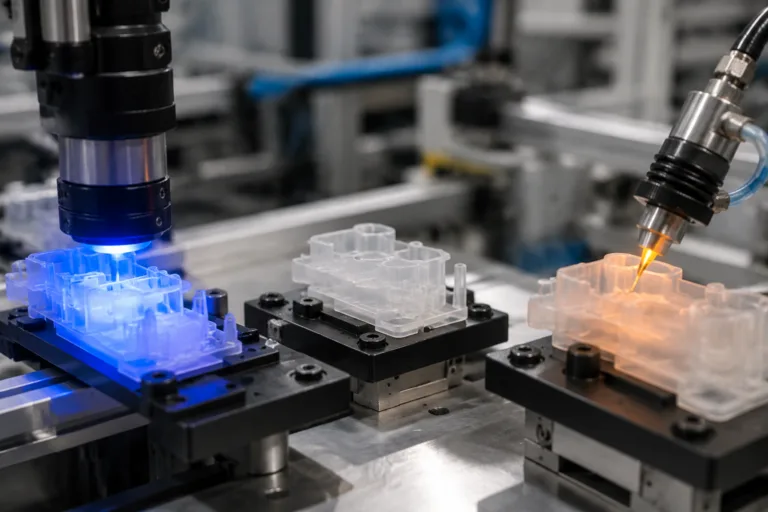
A realistic close-up industrial scene illustrating plastic adhesive curing methods, including UV curing, room-temperature curing, and heat-assisted curing in a professional manufacturing environment.

Curing Method

Do you need UV curing, room-temperature curing, heat curing, or fast production-line bonding?
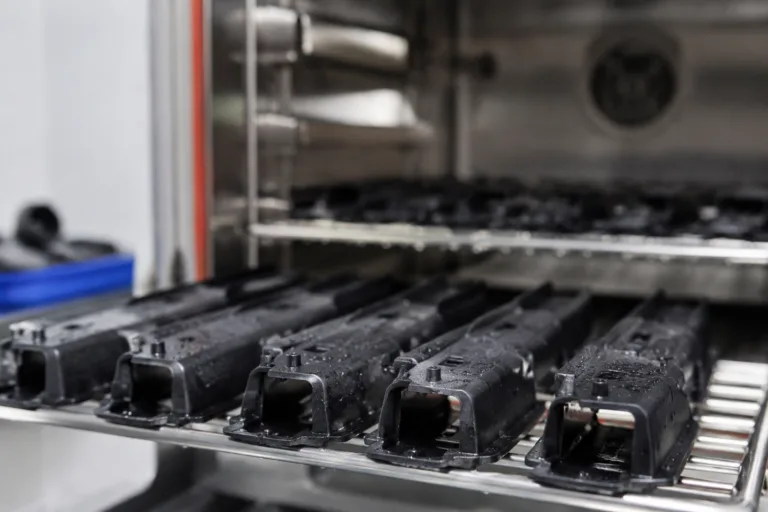
A realistic close-up product testing scene showing bonded plastic parts being evaluated for durability, long-term reliability, and resistance to environmental stresses in a clean industrial lab setting.

Working Environment

Will the product face heat, cold, moisture, chemicals, UV, outdoor exposure, or repeated handling?
Plastic Adhesive Types ZDS Can Support

UV Plastic Adhesives

Good for transparent plastics, fast curing, precise bonding, clear appearance, and production efficiency where light can reach the adhesive area.

Cyanoacrylate Plastic Adhesives

Good for fast positioning, small-area bonding, quick assembly, and suitable plastic bonding applications.

Acrylic Plastic Adhesives

Good for fast strength development, strong plastic bonding, mixed-material assembly, and industrial production.

Epoxy Plastic Adhesives

Good for stronger bonding, gap filling, chemical resistance, and plastic-to-metal or plastic-to-composite structures.

Silicone Plastic Adhesives

Good for flexible bonding, sealing, vibration resistance, and temperature-resistant applications.

Polyurethane Plastic Adhesives

Good for flexible bonding, impact resistance, and mixed-material structures that need movement tolerance.

The final choice depends on plastic type, surface condition, bonding structure, curing method, and end-use environment.

Common Plastic Bonding Problems ZDS Helps Solve

Plastic bonding failure can lead to cracking, whitening, poor appearance, weak joints, or product returns.

Weak Adhesion

The adhesive may not match the plastic surface or the material may have low surface energy.

Stress Cracking

Some plastics can crack if the adhesive chemistry or solvent effect is not suitable.

Poor Transparent Appearance

Clear plastics may show bubbles, yellowing, whitening, or visible bonding lines.

Plastic-to-Metal Bonding Failure

Mixed-material joints may face stress from different expansion behavior.

Slow or Unstable Production

The adhesive may cure too slowly, too quickly, or not match the assembly process.

Poor Flexibility

Rigid adhesives may fail when plastic parts bend, flex, or vibrate.

ZDS helps customers reduce these risks through material-based adhesive selection, viscosity adjustment, curing control, appearance matching, and custom formulation support.

Industries That Use Plastic Adhesives

ZDS plastic adhesive solutions support a wide range of industrial and consumer manufacturing fields.

Common Industries Include:

  • Electronics manufacturing
  • Consumer electronics
  • Automotive parts
  • Appliances
  • LED lighting
  • Sensors and control modules
  • Power tools
  • Communication devices
  • Medical non-device plastic assemblies
  • Smart products
  • Industrial equipment
  • Battery and new energy products
  • Display components
  • Packaging-related parts
  • Consumer goods
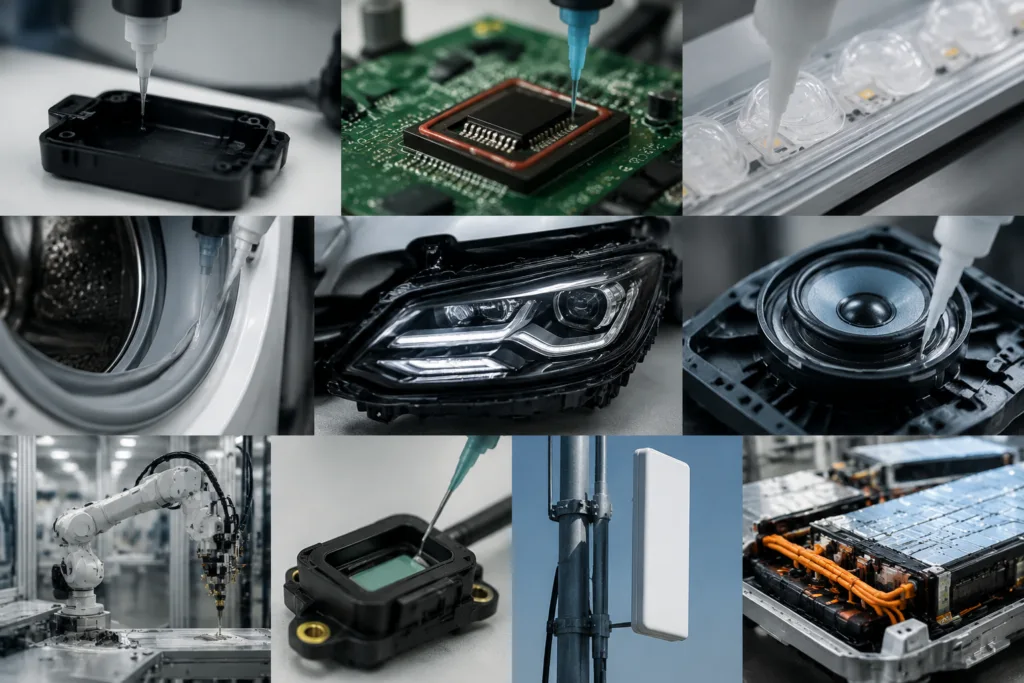
A realistic collage-style composition illustrating plastic adhesive applications across electronics, consumer goods, appliances, automotive components, LED lighting, sensors, industrial equipment, communication devices, and new energy products in a unified professional style.

Quality and Testing Considerations

Checks bonding performance on the specific plastic substrate.

Adhesion Test

Checks bonding performance on the required metal surface.

Shear or Peel Strength Test

Reviews practical joint strength for the planned application.

UV and Aging Test

Useful for transparent plastics, outdoor parts, and products exposed to light.

Production Trial

Confirms whether the adhesive fits the actual application method, curing time, and assembly speed.

Compatibility Test

Evaluates whether the adhesive affects plastic appearance, cracking risk, or surface quality.

Temperature Resistance Test

Checks stability under heat, cold, or thermal cycling.

Moisture and Chemical Resistance Test

Important for appliances, electronics, and industrial products.

Need a Plastic Adhesive for Your Product?

Tell ZDS what plastic you need to bond, what other materials are involved, and what performance you expect. Our team can help recommend a suitable plastic adhesive or discuss a custom formula.

FAQ

What is a plastic adhesive?
A plastic adhesive is used to bond, fix, seal, or assemble plastic parts. It may be used for plastic-to-plastic bonding or plastic bonding with metal, glass, rubber, PCB, or composite materials.
Adhesives may be used for ABS, PC, PVC, PET, PMMA, nylon, and other engineering plastics. Some low-surface-energy plastics may need special adhesive selection or surface treatment.
The best adhesive depends on plastic type, bonding area, appearance requirement, strength, working environment, and curing method. UV, cyanoacrylate, acrylic, epoxy, silicone, and polyurethane systems may be used depending on the project.
Yes. Plastic-to-metal bonding is common in electronics, appliances, automotive parts, sensors, and industrial products.
Yes. ZDS can customize plastic adhesive properties such as viscosity, curing speed, transparency, strength, flexibility, yellowing resistance, heat resistance, and packaging.
Yes. Some adhesive systems are suitable for clear plastic parts where appearance, bubble control, and low yellowing are important.
ZDS LTD ยท Adhesive Manufacturer

Get the Right Adhesive Recommendation

Not sure which adhesive fits your material, process, or performance needs?
Share a few project details, and our team will suggest a suitable ZDS product or custom formulation.