Application Framework

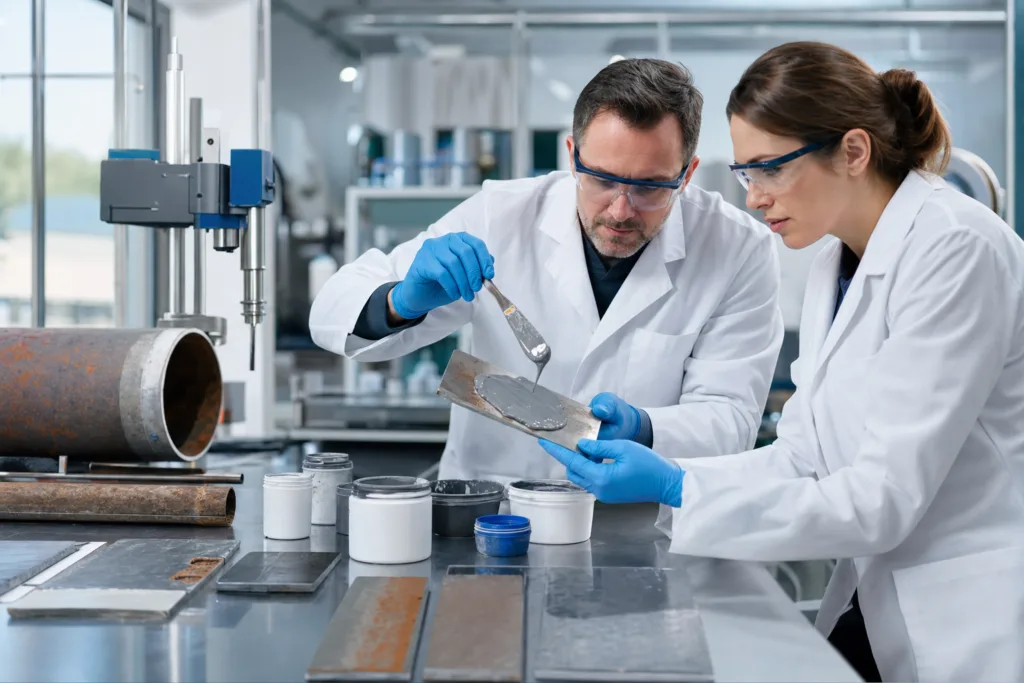
A professional adhesive lab scene showing formulation review and sample testing for chemically exposed pipeline repair applications.

Choosing Chemical-Resistant Bonding Materials for Pipeline Repair: How to Select the Right Adhesive for Corrosion, Leakage, and Harsh Industrial Media

Pipeline repair rarely fails because a team recognized damage too late. More often, failure starts when a repair material is chosen for convenience rather than for the actual chemical, thermal, and mechanical conditions in service. In chemically exposed pipelines, the adhesive or repair compound has to do more than stick. It may need to resist
Choosing Chemical-Resistant Bonding Materials for Pipeline Repair: How to Select the Right Adhesive for Corrosion, Leakage, and Harsh Industrial Media Read More ยป

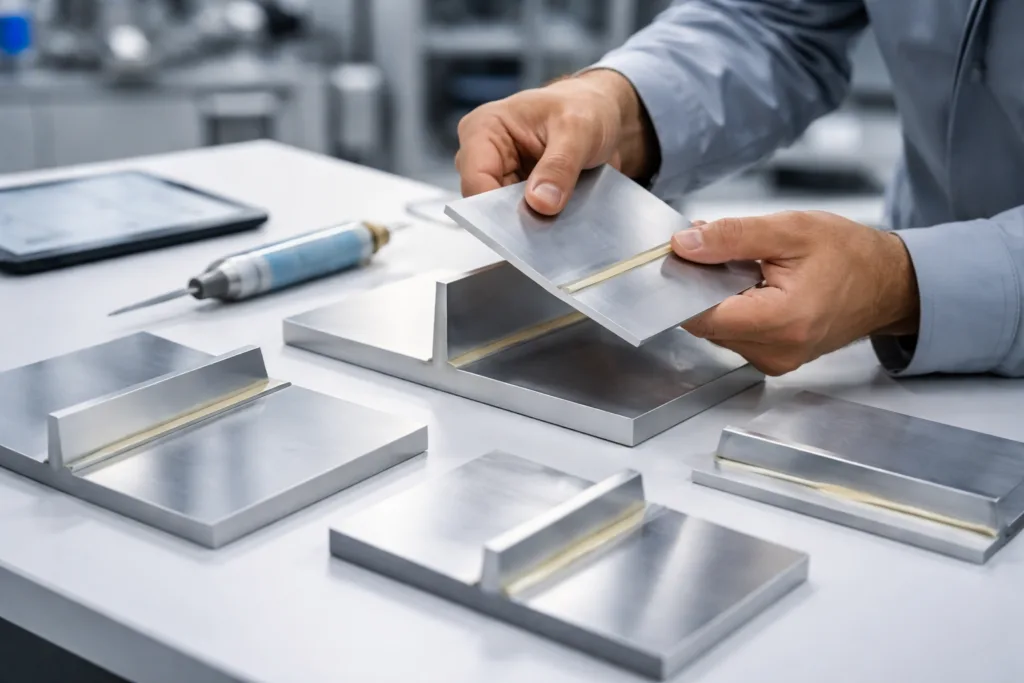
A realistic lab scene showing adhesive sample evaluation for movement-prone exterior panel bonding.

How Thermal Expansion and Building Movement Affect Adhesive Selection for Panels, Frames, and Exterior Assemblies

In exterior construction, the bond line is rarely static. Panels warm up in the sun, frames cool at night, substrates expand at different rates, and buildings move under wind, load, and seasonal change. For that reason, choosing a thermal movement construction adhesive is less about finding a strong adhesive in isolation and more about matching

How Thermal Expansion and Building Movement Affect Adhesive Selection for Panels, Frames, and Exterior Assemblies Read More ยป

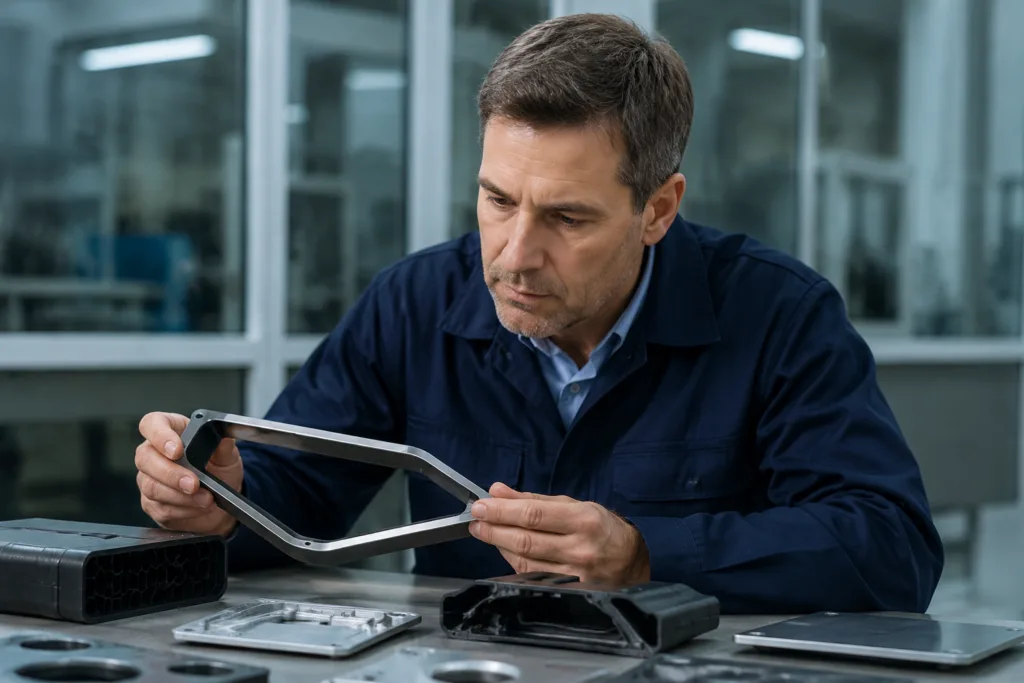
A realistic industrial scene showing an engineer assessing bonded panel joints for structural adhesive replacement of mechanical joining.

Can Acrylic Adhesives Replace Welding, Riveting, or Screws? A Practical Industrial Design Guide

Industrial design teams often ask whether acrylic adhesive replace welding decisions are realistic or just attractive in theory. In practice, acrylic structural adhesives can replace some welds, rivets, and screws, reduce the number of mechanical fasteners in many assemblies, and improve appearance, weight, and mixed-material design freedom. But success depends on more than bond strength

Can Acrylic Adhesives Replace Welding, Riveting, or Screws? A Practical Industrial Design Guide Read More ยป

A realistic industrial scene showing engineers comparing bonded sample joints for manufacturing decision-making.

Adhesive Bonding vs Welding, Screws, and Rivets: When Manufacturers Can Replace Mechanical Joining

Manufacturers often begin comparing joining methods when weight, appearance, corrosion risk, mixed-material design, or assembly efficiency starts to limit what welding, screws, and rivets can do. In that decision process, adhesive bonding vs welding is rarely a simple strength question. It is a broader engineering choice about how loads move through an assembly, how materials

Adhesive Bonding vs Welding, Screws, and Rivets: When Manufacturers Can Replace Mechanical Joining Read More ยป

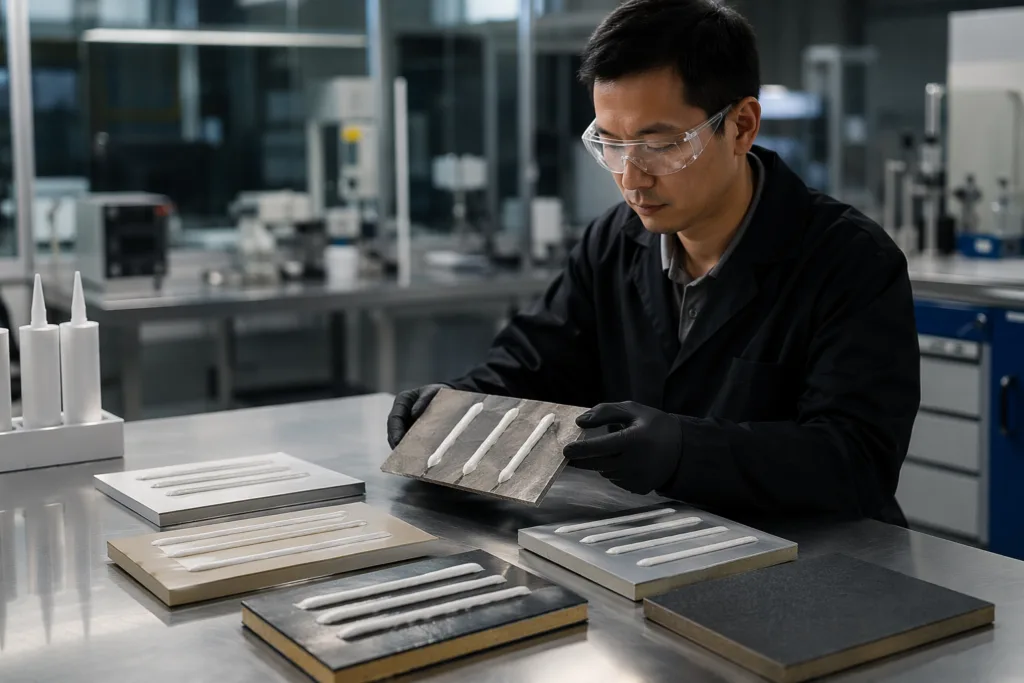
A realistic industrial image showing early-stage adhesive evaluation for bonding applications and substrate review.

A Practical Industrial Adhesive Selection Checklist for Faster, Safer Project Decisions

Industrial adhesive selection often slows down when teams jump straight to product names before defining the application, the line conditions, and the actual risk of failure. A structured checklist gives engineers, procurement teams, and manufacturers a repeatable way to narrow options faster, reduce avoidable trials, and make clearer decisions across technical and commercial stakeholders. Explore

A Practical Industrial Adhesive Selection Checklist for Faster, Safer Project Decisions Read More ยป

ZDS LTD ยท Adhesive Manufacturer

Get the Right Adhesive Recommendation

Not sure which adhesive fits your material, process, or performance needs?
Share a few project details, and our team will suggest a suitable ZDS product or custom formulation.