Functional Adhesives

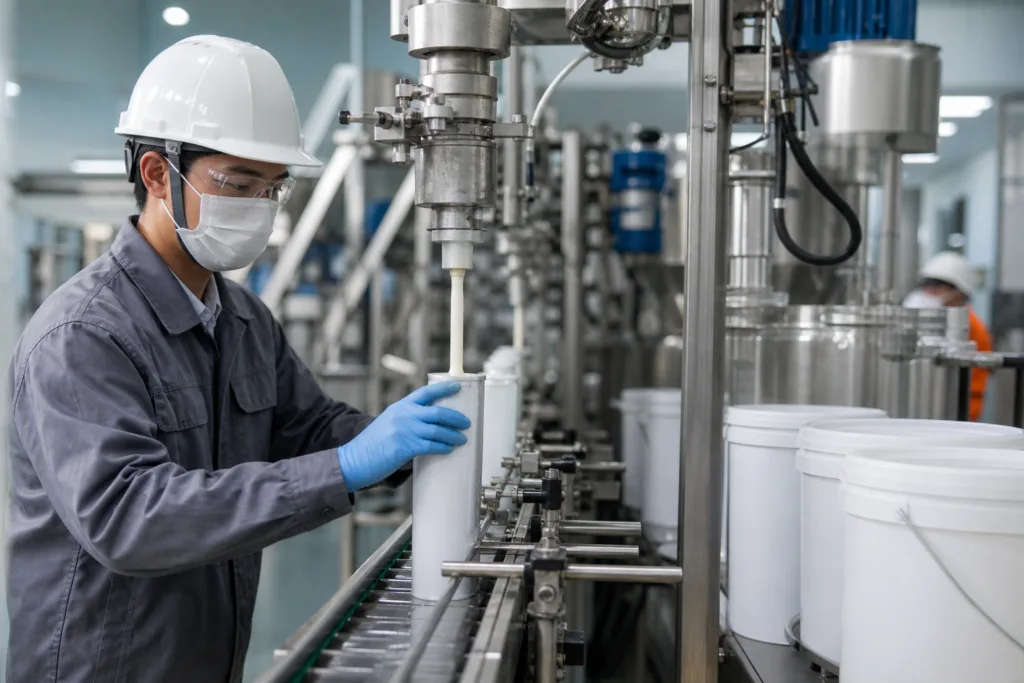
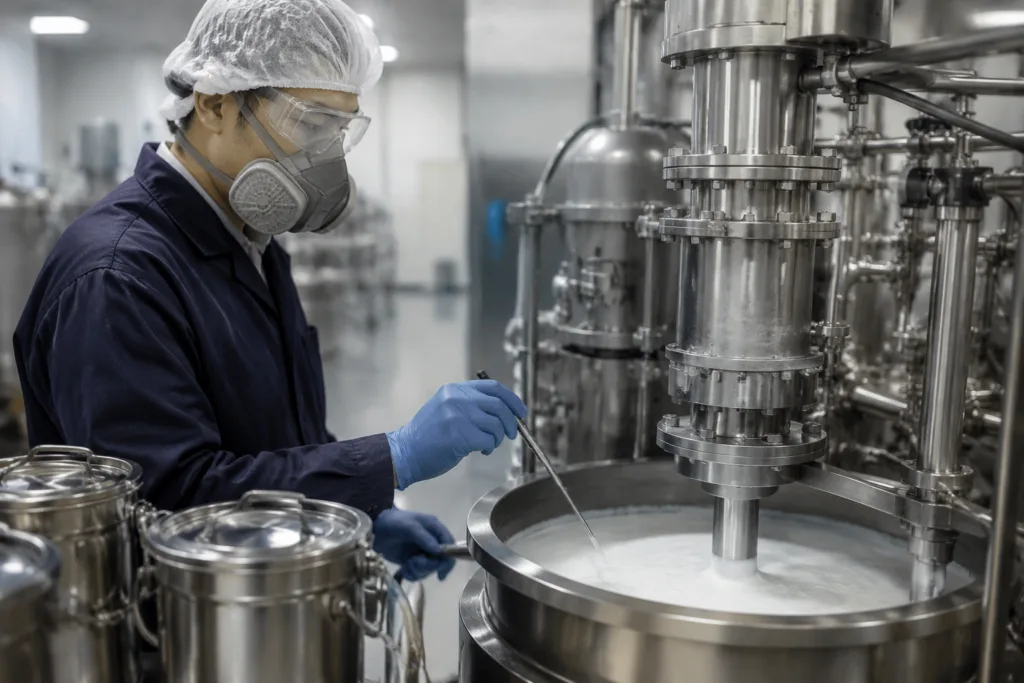
Technician monitoring insulating adhesive mixing equipment in a controlled production area

Insulation Adhesive Viscosity: How to Control Flow Without Flooding Critical Areas

In electrical assemblies, insulation performance is not only about dielectric properties. It is also about where the material goes, where it stops, and how consistently it covers the target area without migrating into pads, test points, connectors, vents, moving parts, or other sensitive features. That is why insulation adhesive viscosity is often one of the

Insulation Adhesive Viscosity: How to Control Flow Without Flooding Critical Areas Read More ยป

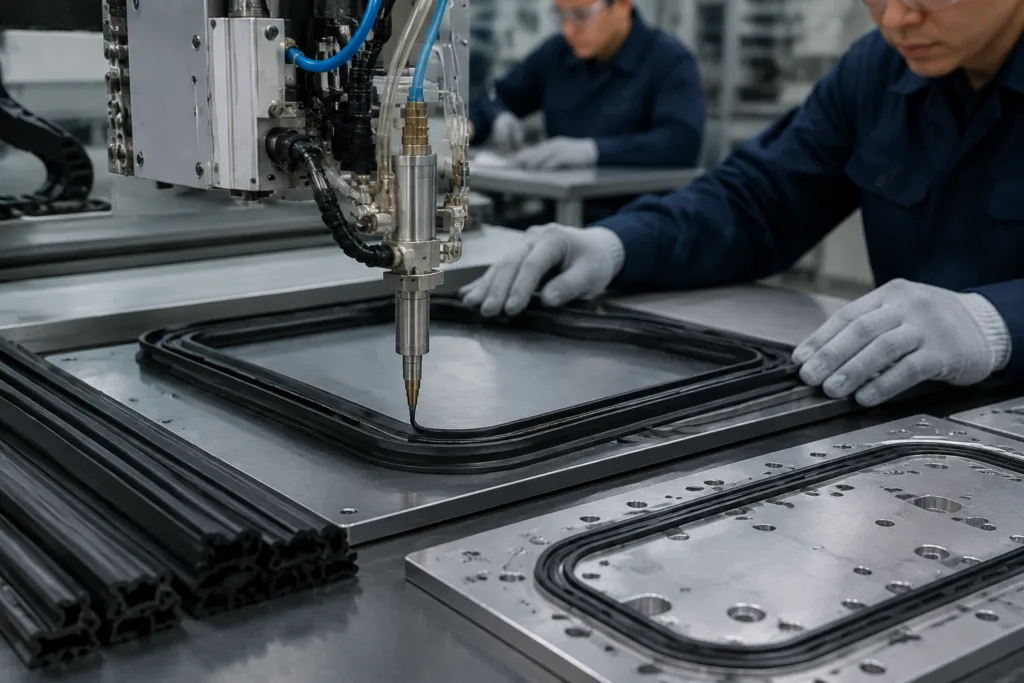
Controlled adhesive dispensing onto rubber gasket profiles and metal carriers

How Compression Set and Rubber Recovery Affect Adhesive Bond Reliability

Bonded rubber seals, pads, and gaskets can pass an initial assembly check yet lose sealing force or detach after months of compression, temperature change, vibration, and moisture exposure. The reason is often not adhesive strength alone. Rubber continues to deform during service, while the adhesive interface must transfer load between an elastomeric substrate and a

How Compression Set and Rubber Recovery Affect Adhesive Bond Reliability Read More ยป

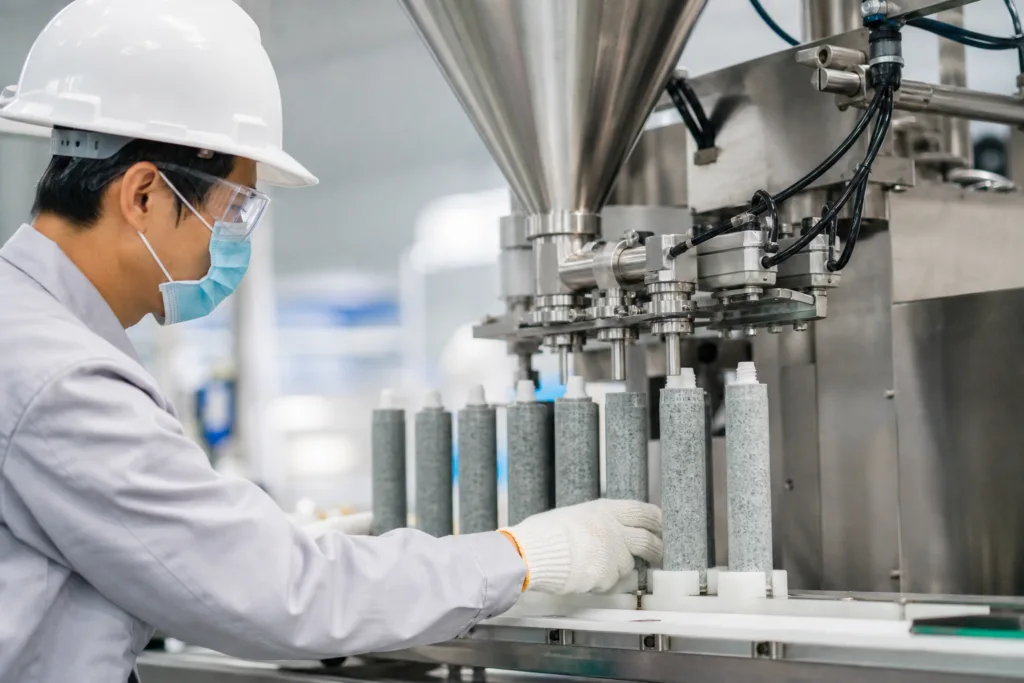
Industrial operator filling adhesive cartridges on a manufacturing line

How to Choose a Moisture Resistant Stone Adhesive for Bathrooms and Kitchens

Bathrooms, kitchens, laundry rooms, spa areas, and other humid interiors put stone joints under a very different set of stresses than dry decorative spaces. Steam, splash water, cleaning chemicals, thermal cycling, and repeated movement at edges can all change how a bond performs over time. For buyers comparing suppliers, ZDS LTD can review the project

How to Choose a Moisture Resistant Stone Adhesive for Bathrooms and Kitchens Read More ยป

Workers filling industrial adhesive cartridges in a clean manufacturing area

How to Choose an Insulation Adhesive for Battery Packs

Battery packs are built from conductive metals, plastics, foams, boards, and protective layers that sit very close to each other. In that environment, an insulation adhesive for battery pack assembly is not only a bonding medium; it can also help maintain electrical separation, hold parts in position, and reduce movement that can wear insulation surfaces

How to Choose an Insulation Adhesive for Battery Packs Read More ยป

A professional adhesive lab scene showing formulation evaluation for wet-service bonding requirements.

Epoxy, Silicone, Polyurethane, UV, or Cyanoacrylate: Which Adhesive Chemistry Is Best for Wet-Service Applications?

Choosing the best adhesive chemistry for wet environments is rarely about finding one universal winner. In industrial work, wet-service conditions can mean brief washdown exposure, outdoor weathering, warm condensation cycles, high humidity, intermittent splashing, or full immersion. Each condition stresses an adhesive in a different way. Some chemistries hold load well but lose reliability when

Epoxy, Silicone, Polyurethane, UV, or Cyanoacrylate: Which Adhesive Chemistry Is Best for Wet-Service Applications? Read More ยป

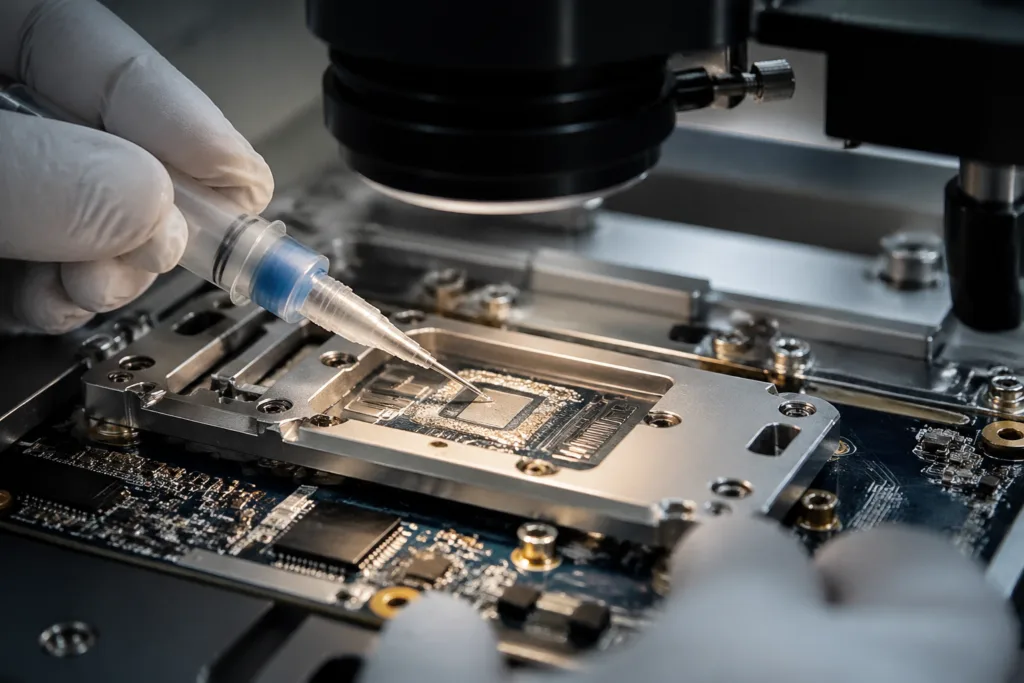
A realistic electronics assembly scene showing conductive adhesive being applied to a sensitive component on a PCB.

Electrically Conductive Adhesives: What They Are, Types, Differences from Soldering, and Common Applications in Electronics

A conductive adhesive is an adhesive system formulated to create both a mechanical bond and an electrically conductive path. In electronics, it is often considered when heat-sensitive parts, dissimilar materials, fine-pitch assemblies, flexible substrates, or repair scenarios make traditional soldering less suitable. For buyers and engineers, the key question is not simply whether a material

Electrically Conductive Adhesives: What They Are, Types, Differences from Soldering, and Common Applications in Electronics Read More ยป

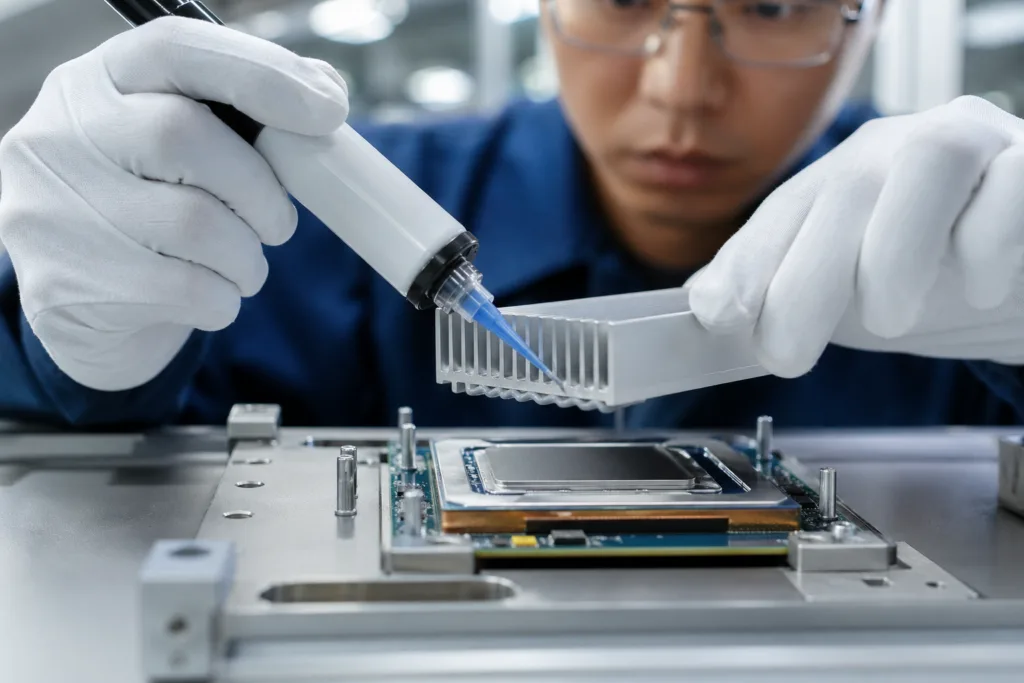
A realistic industrial image showing thermally conductive adhesive being applied in an electronics assembly where heat transfer and bonding are both critical.

Thermally Conductive Adhesives: How They Balance Heat Dissipation and Bonding Performance

Thermal management is no longer a side issue in product design. In electronics, LED modules, battery systems, power devices, and compact industrial assemblies, the bonding layer often sits directly in the heat path. That means a thermal conductive adhesive glue is not only expected to hold parts together, but also to move heat away from

Thermally Conductive Adhesives: How They Balance Heat Dissipation and Bonding Performance Read More ยป

A realistic production scene showing adhesive application on electronic components for reliable assembly.

Electronic Adhesives for Reliable Assembly: Key Requirements, Common Types, and Process-Based Selection

An electronic adhesive does more than hold parts together. In electronic assembly, it can also manage heat, insulate circuits, protect sensitive components from moisture and vibration, support precise placement, and influence long-term reliability in the field. That is why adhesive selection should be tied not only to bond strength, but also to substrate behavior, curing

Electronic Adhesives for Reliable Assembly: Key Requirements, Common Types, and Process-Based Selection Read More ยป

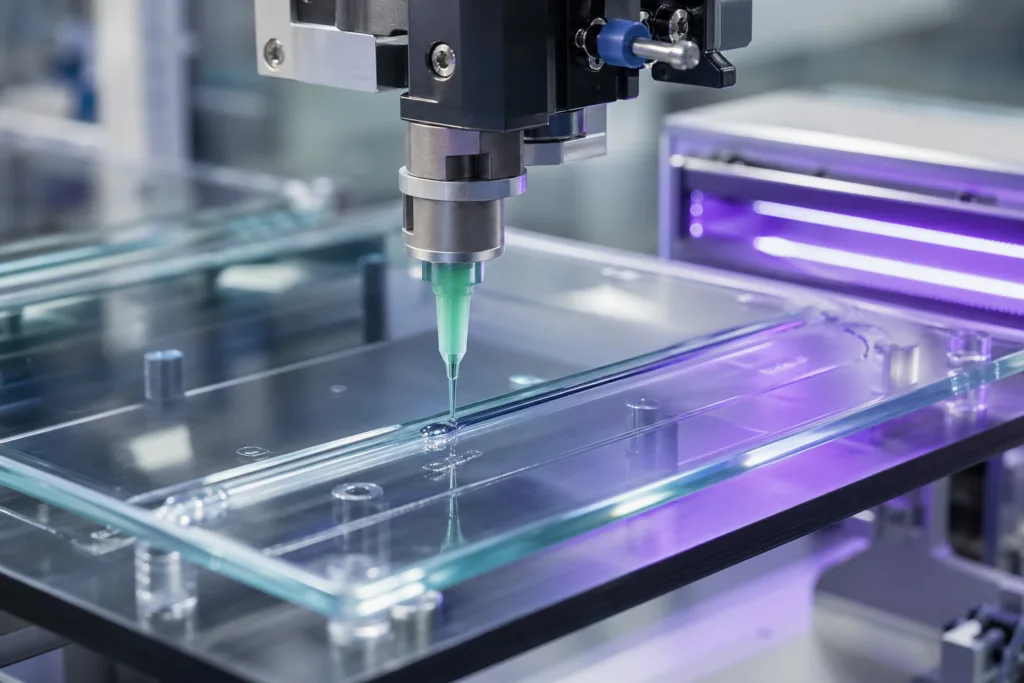
A precision manufacturing scene showing UV adhesive application on transparent parts before light curing.

UV Curable Adhesives: How They Work, Where They Excel, and How to Choose the Right Formula

UV adhesive is a liquid bonding material that cures when exposed to ultraviolet light, allowing very fast fixture times and precise placement in applications where process control matters. For engineers, buyers, and product teams, the real value is not just speed. It is the combination of fast handling strength, neat bond lines, optical clarity in

UV Curable Adhesives: How They Work, Where They Excel, and How to Choose the Right Formula Read More ยป

ZDS LTD ยท Adhesive Manufacturer

Get the Right Adhesive Recommendation

Not sure which adhesive fits your material, process, or performance needs?
Share a few project details, and our team will suggest a suitable ZDS product or custom formulation.