Engineer Liu

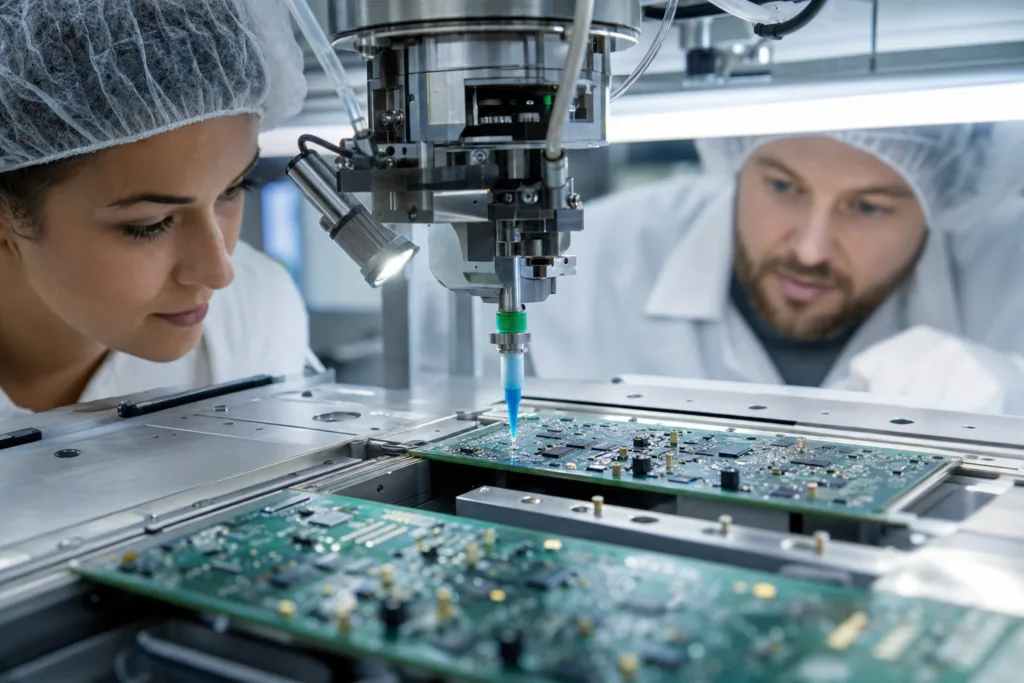
A realistic manufacturing image showing adhesive dispensing on PCBs with emphasis on dot geometry, placement accuracy, and process control.

Why PCB Adhesives Fail in Production: 12 Root Causes of Poor Hold, Voids, Cracking, and Reliability Loss

PCB adhesive failures rarely come from a single bad event. In most electronics production environments, the real issue is a mismatch between adhesive chemistry, dispensing behavior, substrate condition, cure profile, board design, and the way the assembly line is actually running. When manufacturers investigate PCB adhesive failure causes, they often find that poor hold, voids,
Why PCB Adhesives Fail in Production: 12 Root Causes of Poor Hold, Voids, Cracking, and Reliability Loss Read More ยป

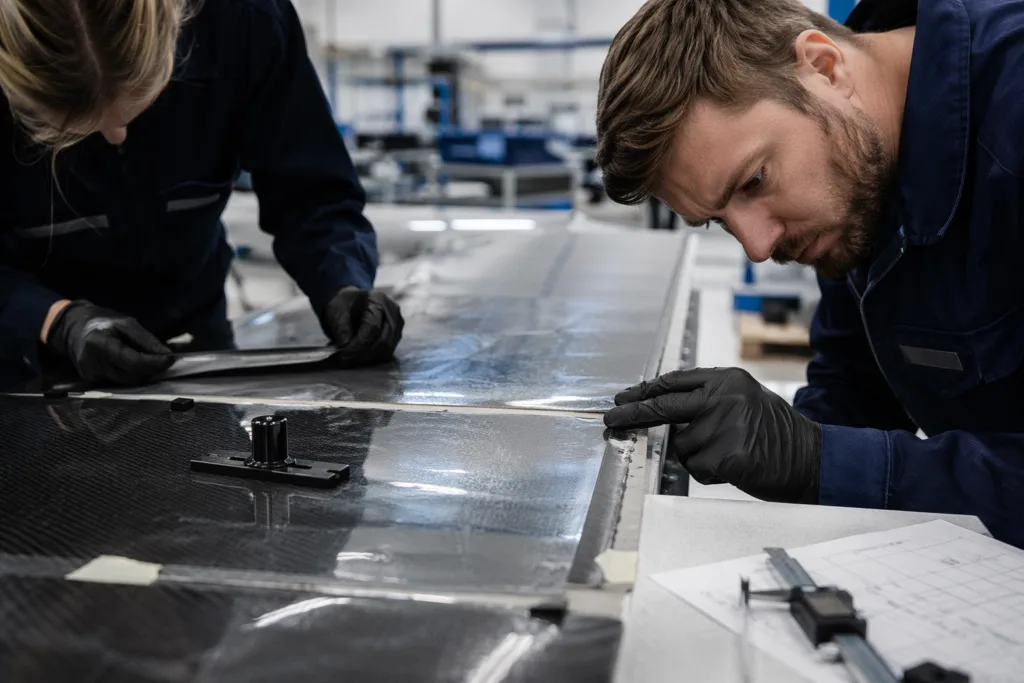
Composite engineers preparing carbon fiber laminate surfaces and bond-line controls before adhesive assembly.

Carbon Fiber-to-Carbon Fiber Adhesive Bonding: How to Build Strong CFRP Joints Without Creating Peel Failure

Choosing a carbon fiber to carbon fiber adhesive sounds straightforward until a promising joint fails at the edge, lifts under cyclic load, or loses performance after heat and moisture exposure. CFRP-to-CFRP bonding is rarely limited by published shear strength alone. In real structures, engineers must manage laminate stiffness, load direction, surface condition, bond-line control, and

Carbon Fiber-to-Carbon Fiber Adhesive Bonding: How to Build Strong CFRP Joints Without Creating Peel Failure Read More ยป

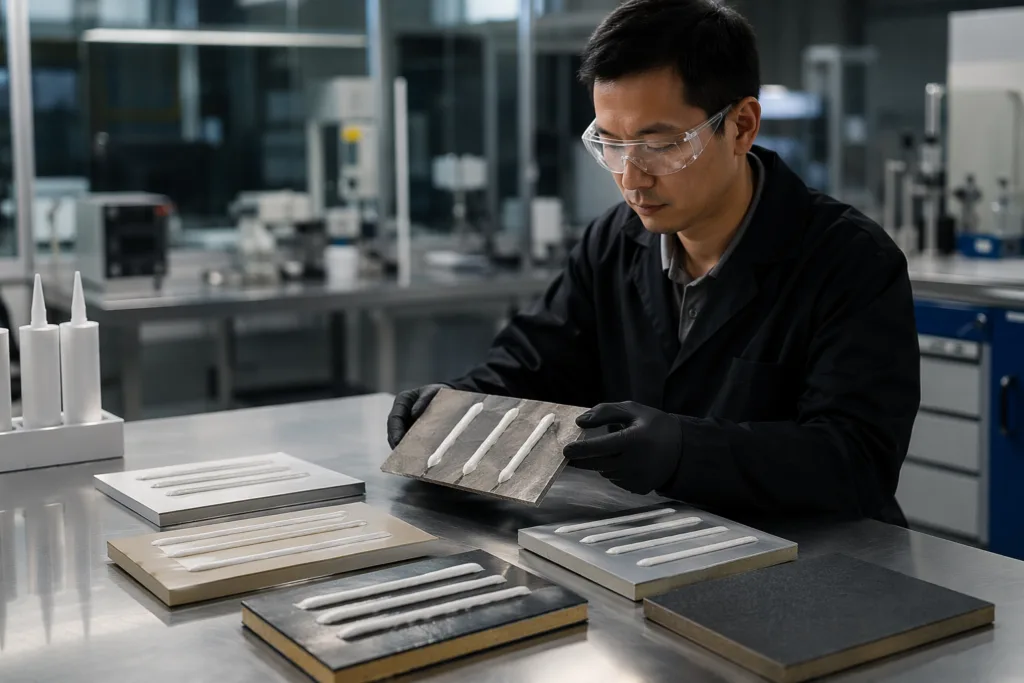
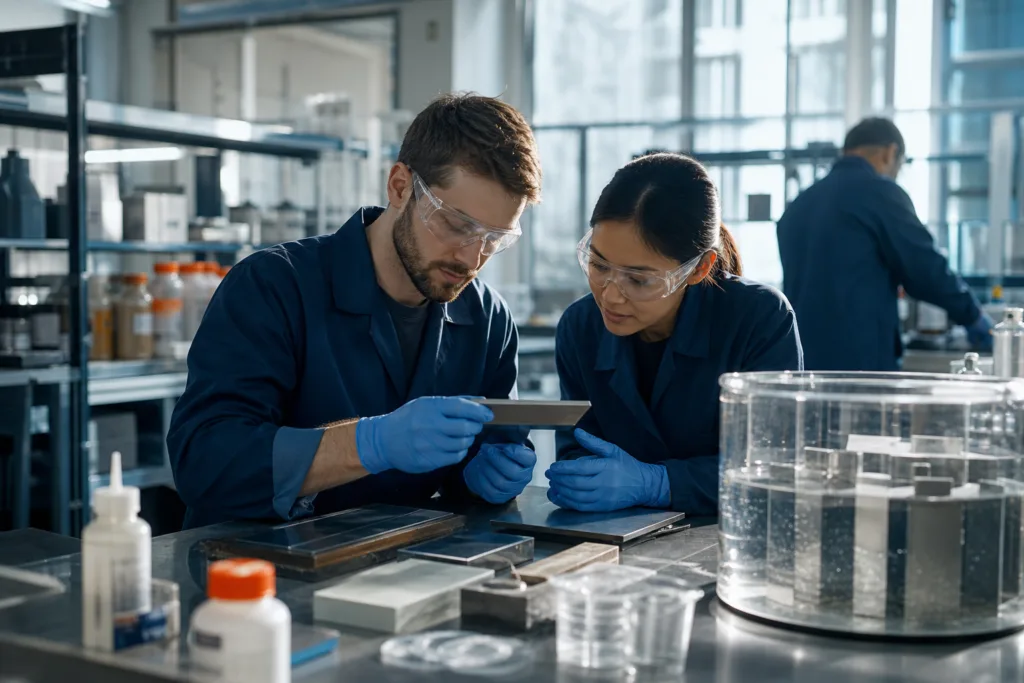
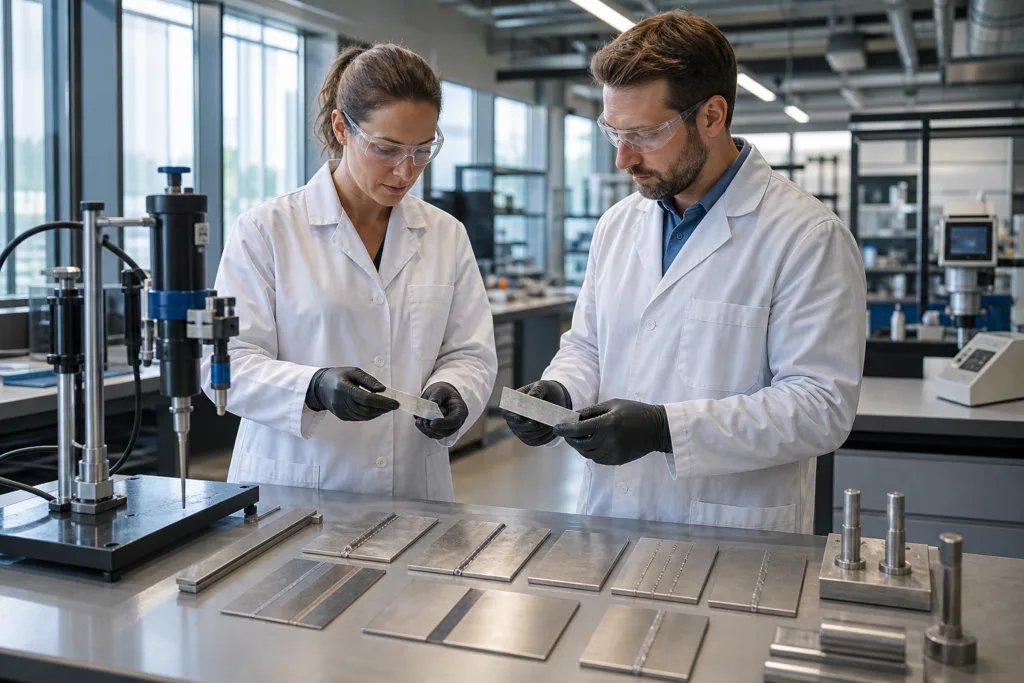
Engineers reviewing metal joint samples in a formulation and testing lab to compare bonding and welding options.

Adhesive Bonding vs Welding for Metal Assemblies: When Glue Can Improve Weight, Aesthetics, and Material Freedom

For many manufacturers, the real question is not whether welding is good or whether adhesives are strong enough in the abstract. The practical question is where adhesive bonding vs welding metal becomes the smarter process decision for a specific assembly, load case, finish requirement, and production environment. In our work with industrial bonding programs, we

Adhesive Bonding vs Welding for Metal Assemblies: When Glue Can Improve Weight, Aesthetics, and Material Freedom Read More ยป

A realistic lab scene showing adhesive sample evaluation for movement-prone exterior panel bonding.

How Thermal Expansion and Building Movement Affect Adhesive Selection for Panels, Frames, and Exterior Assemblies

In exterior construction, the bond line is rarely static. Panels warm up in the sun, frames cool at night, substrates expand at different rates, and buildings move under wind, load, and seasonal change. For that reason, choosing a thermal movement construction adhesive is less about finding a strong adhesive in isolation and more about matching

How Thermal Expansion and Building Movement Affect Adhesive Selection for Panels, Frames, and Exterior Assemblies Read More ยป

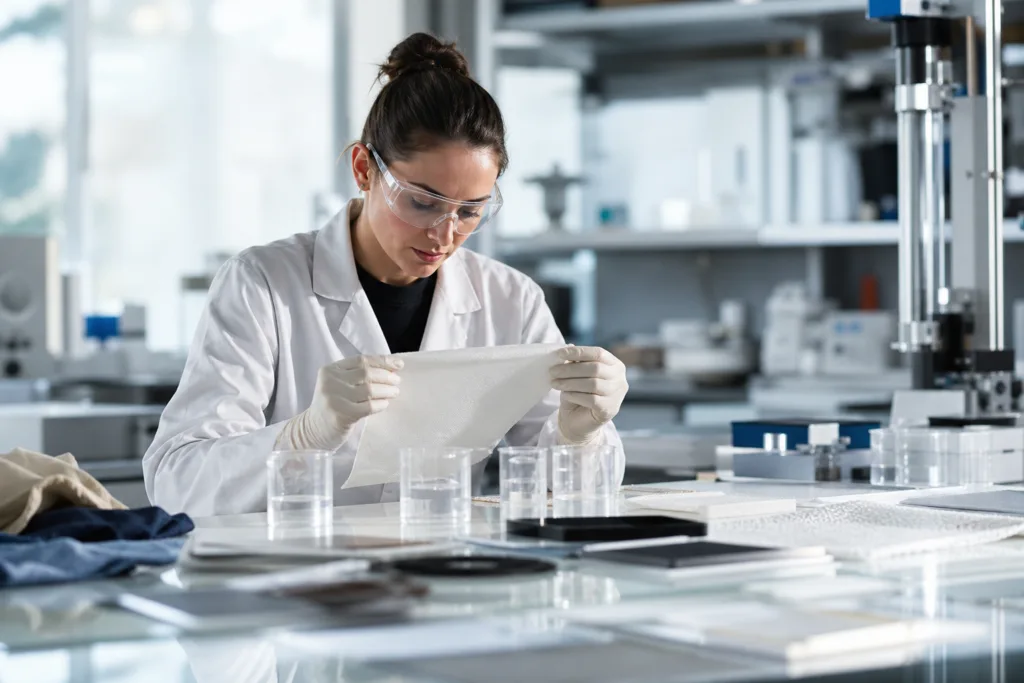
A technical laboratory scene showing adhesive sample development for stretch fabrics, focused on flexibility, recovery, and textile bonding evaluation.

Adhesives for Stretch Fabrics: How to Preserve Elasticity, Recovery, and Comfort After Bonding

Choosing the right adhesive for stretch fabric is less about achieving the highest static bond number and more about preserving how the textile behaves in real use. In performance apparel, compression products, intimate wear, and stretch laminates, the bonded area has to elongate, recover, flex, and remain comfortable against the body. If the adhesive film

Adhesives for Stretch Fabrics: How to Preserve Elasticity, Recovery, and Comfort After Bonding Read More ยป

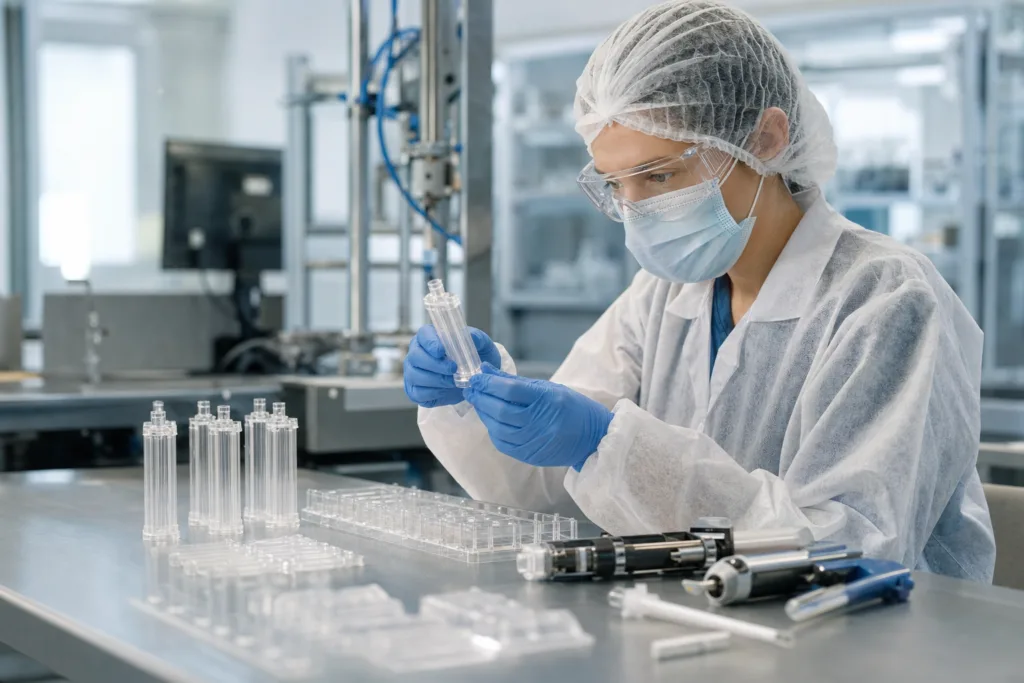
A clean laboratory scene showing adhesive sample evaluation for diagnostic cartridges and test cassettes.

Medical Adhesives for Diagnostic Cartridges, Test Cassettes, and Microfluidic-Adjacent Components: How to Control Bonding, Cure, and Contamination Risk

Diagnostic cartridges, lateral-flow style test cassettes, reader-compatible plastic housings, and microfluidic-adjacent components create a demanding environment for adhesive selection. A suitable diagnostic device adhesive must do more than bond two parts together. It may need to seal narrow interfaces, protect channels from overflow, hold optical parts in alignment, maintain transparency, resist sterilization or cleaning exposure,

Medical Adhesives for Diagnostic Cartridges, Test Cassettes, and Microfluidic-Adjacent Components: How to Control Bonding, Cure, and Contamination Risk Read More ยป

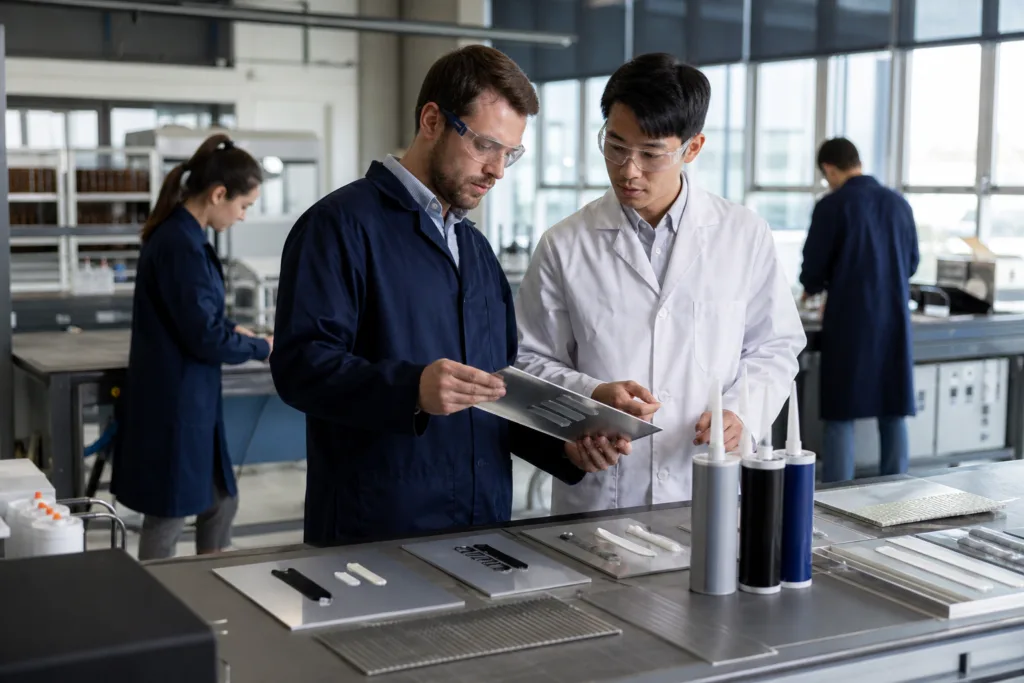
A professional adhesive R&D scene showing technical evaluation of multiple adhesive chemistries for industrial bonding decisions.

Epoxy Adhesive vs Acrylic vs Polyurethane vs Silicone: How to Choose the Right Chemistry for Industrial Bonding Applications

Choosing between epoxy, acrylic, polyurethane, and silicone is rarely a simple brand preference decision. In real production environments, adhesive chemistry changes how a material wets the substrate, how fast it cures, how it handles shock and vibration, how it survives heat or moisture, and how reliable the joint remains after months or years in service.

Epoxy Adhesive vs Acrylic vs Polyurethane vs Silicone: How to Choose the Right Chemistry for Industrial Bonding Applications Read More ยป

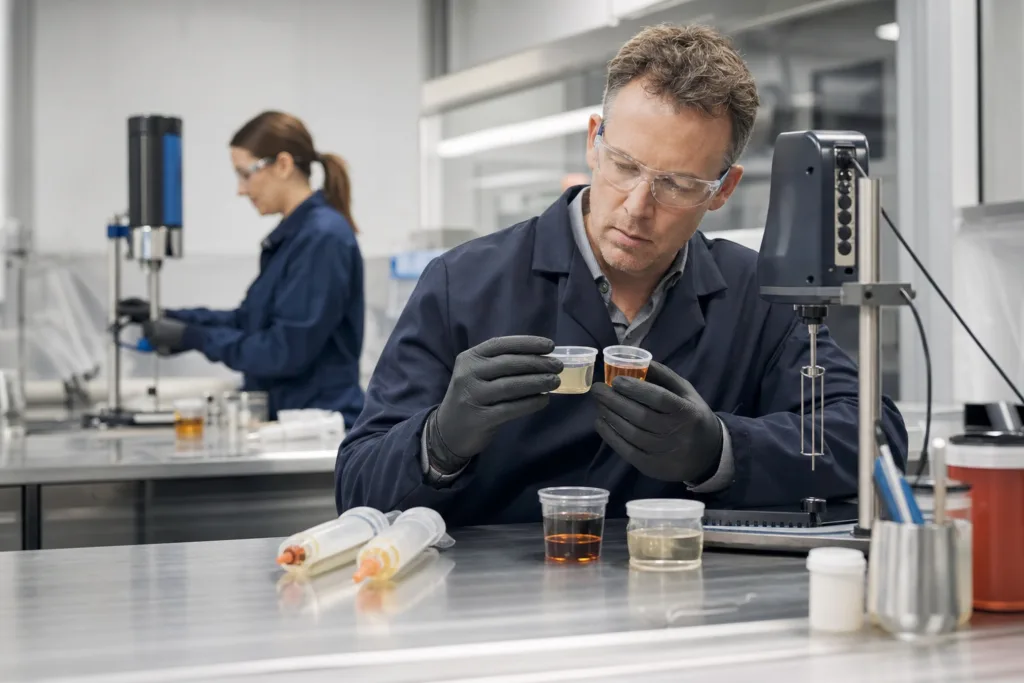
A realistic laboratory scene showing adhesive formulation review, useful for explaining how chemistry selection affects industrial bonding performance.

How to Choose the Right Industrial Adhesive for Your Application: A Practical Buyer and Engineer Guide

Choosing the right industrial adhesive is rarely about finding the highest published strength number. In real manufacturing, bond success depends on fit: the substrate pair, joint geometry, service environment, curing method, dispensing process, line speed, and quality control discipline all matter. Engineers and procurement teams usually see the same pattern during supplier evaluation: a product

How to Choose the Right Industrial Adhesive for Your Application: A Practical Buyer and Engineer Guide Read More ยป

A professional adhesive lab scene showing engineers reviewing bonded samples and moisture-aging results to diagnose water-related bond weakening.

Why Adhesive Bonds Weaken After Water Exposure: 10 Root Causes Beyond Simply Using the Wrong Glue

When an adhesive bond weak after water exposure shows up in production or field use, the first reaction is often to blame the adhesive chemistry. In our experience, that explanation is sometimes correct, but it is rarely the whole story. Water can reduce bond performance through multiple pathways: it can attack the interface, travel through

Why Adhesive Bonds Weaken After Water Exposure: 10 Root Causes Beyond Simply Using the Wrong Glue Read More ยป

ZDS LTD ยท Adhesive Manufacturer

Get the Right Adhesive Recommendation

Not sure which adhesive fits your material, process, or performance needs?
Share a few project details, and our team will suggest a suitable ZDS product or custom formulation.