Material Bonding

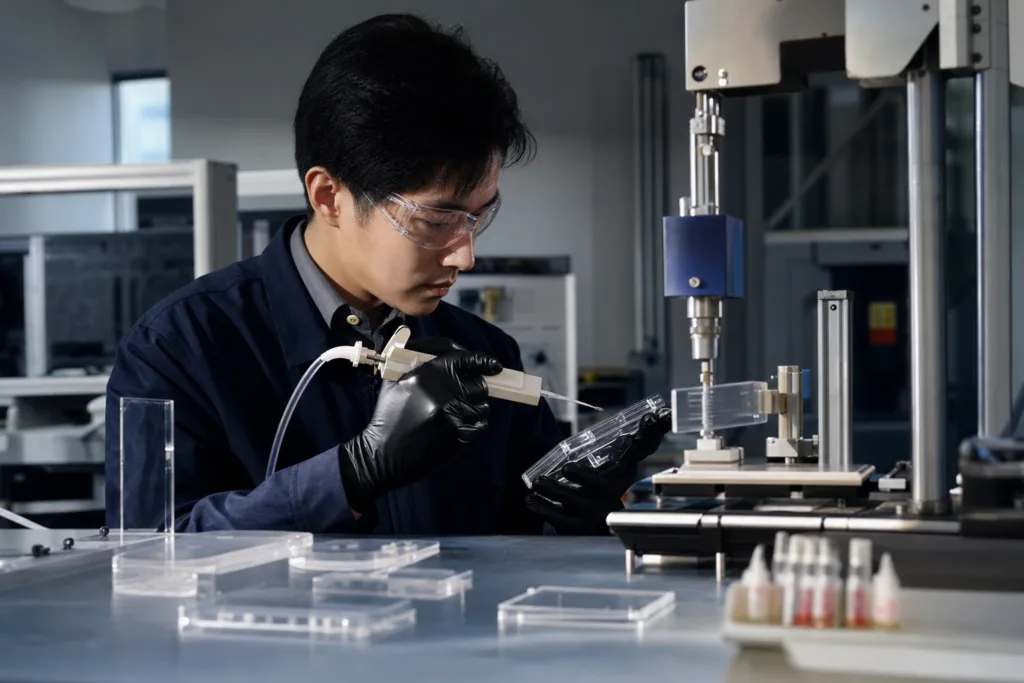
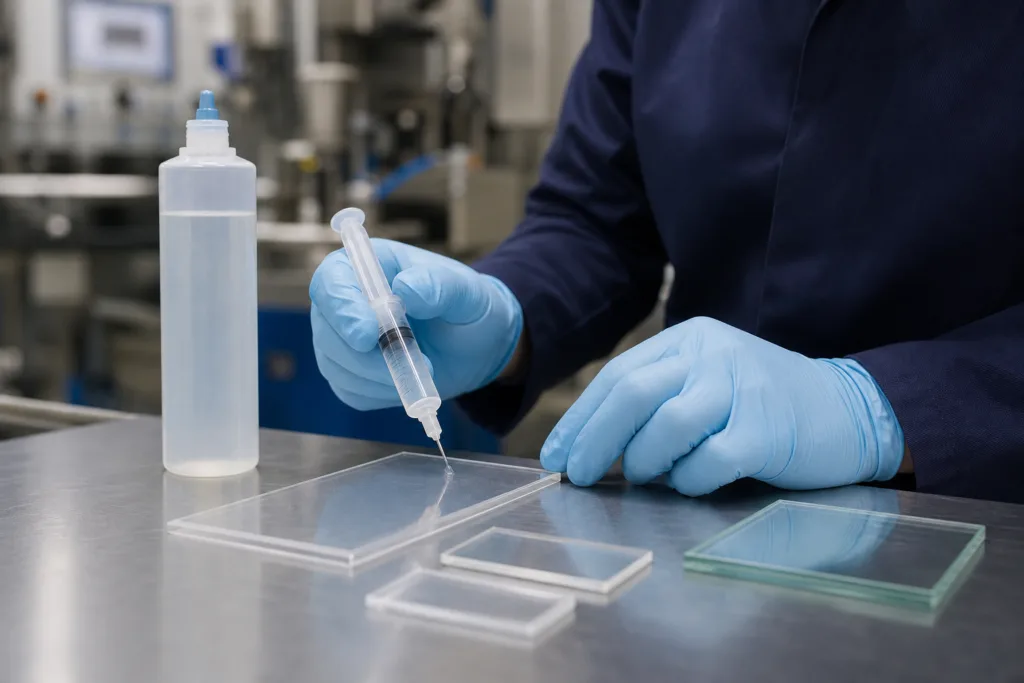
Gloved technician preparing clear adhesive and sample coupons for plastic and glass bonding.

How to Choose the Right Plastic to Glass Adhesive

Choosing the right plastic to glass adhesive is rarely just a question of โ€œbonding two materials together.โ€ In transparent, decorative, and precision assemblies, the adhesive has to support appearance, process speed, and long-term reliability at the same time. If the bond line is visible, any haze, bubbles, edge lift, or yellowing can become a product

How to Choose the Right Plastic to Glass Adhesive Read More ยป

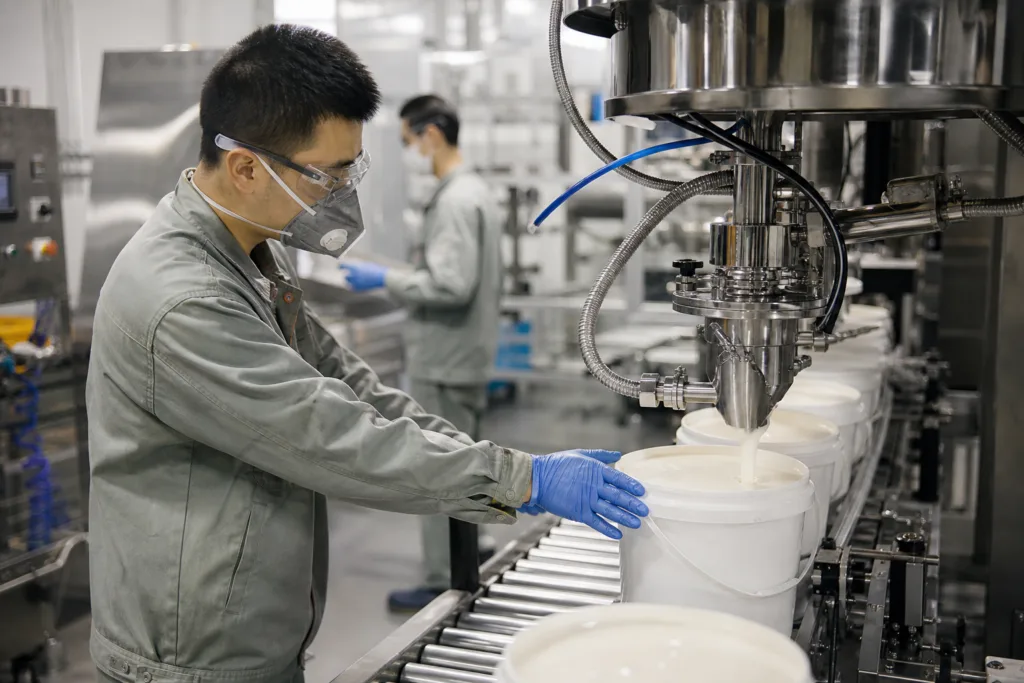
Industrial filling line preparing flexible adhesive for foam and fabric lamination use

Foam to Fabric Adhesive Selection for Soft, Durable Lamination

Choosing a foam to fabric adhesive is rarely just about getting two layers to stick. In upholstery, seating, footwear, automotive interiors, acoustic panels, and protective padding, the bond must hold while preserving softness, surface appearance, and long-term flexibility. A laminated part can fail commercially even when initial adhesion seems acceptable: the fabric may show print-through,

Foam to Fabric Adhesive Selection for Soft, Durable Lamination Read More ยป

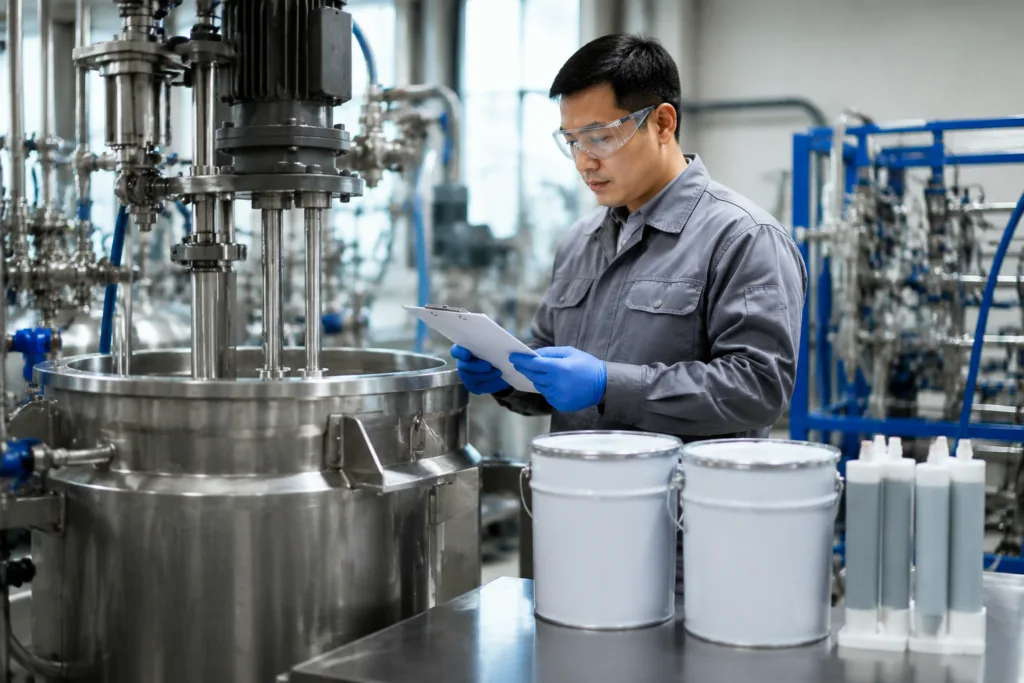
Technician monitoring adhesive mixing in a chemical production area

Ceramic to Plastic Adhesive Selection for Mixed-Material Assemblies

A reliable ceramic to plastic adhesive joint is rarely chosen by chemistry name alone. These assemblies combine two materials that behave very differently under load, temperature change, and surface preparation. Ceramic may look easy to bond because it feels hard and stable, while plastic may appear simple because it is common in molded parts. In

Ceramic to Plastic Adhesive Selection for Mixed-Material Assemblies Read More ยป

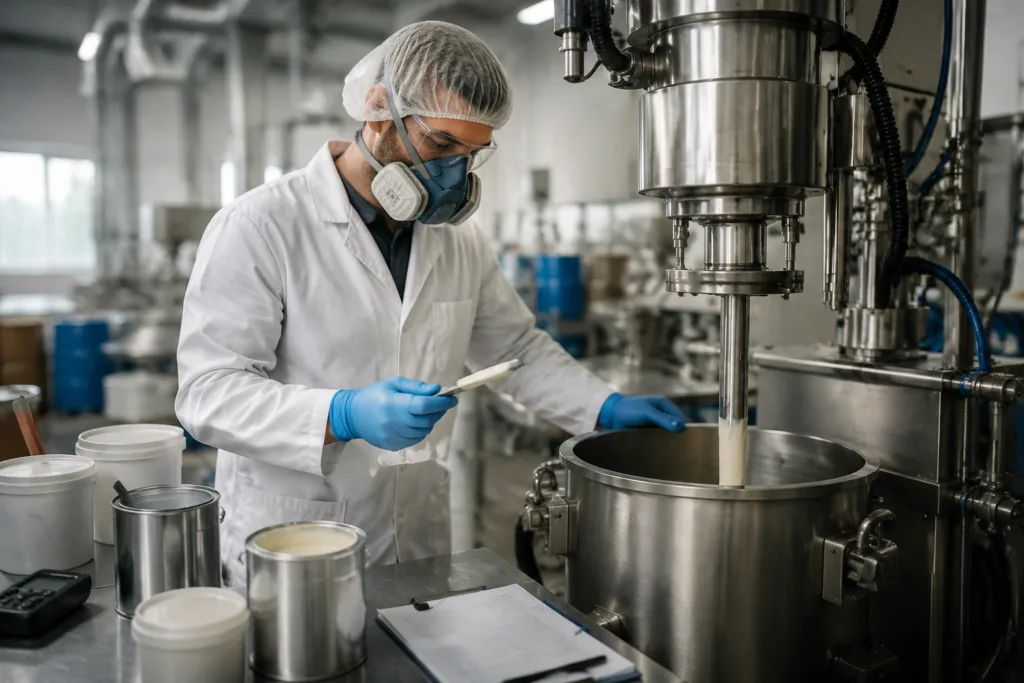
Technician preparing structural adhesive in a clean industrial production area for automotive aluminum bonding

Aluminum Automotive Adhesive Selection for Crash-Safe Vehicle Body Parts

Selecting an aluminum automotive adhesive for body parts is not a simple material swap from steel programs. Aluminum helps reduce vehicle mass, but it also introduces different oxide behavior, different galvanic risks, and different stiffness relationships across the assembly. For OEMs, Tier 1 suppliers, and EV structure teams, that means adhesive selection has to be

Aluminum Automotive Adhesive Selection for Crash-Safe Vehicle Body Parts Read More ยป

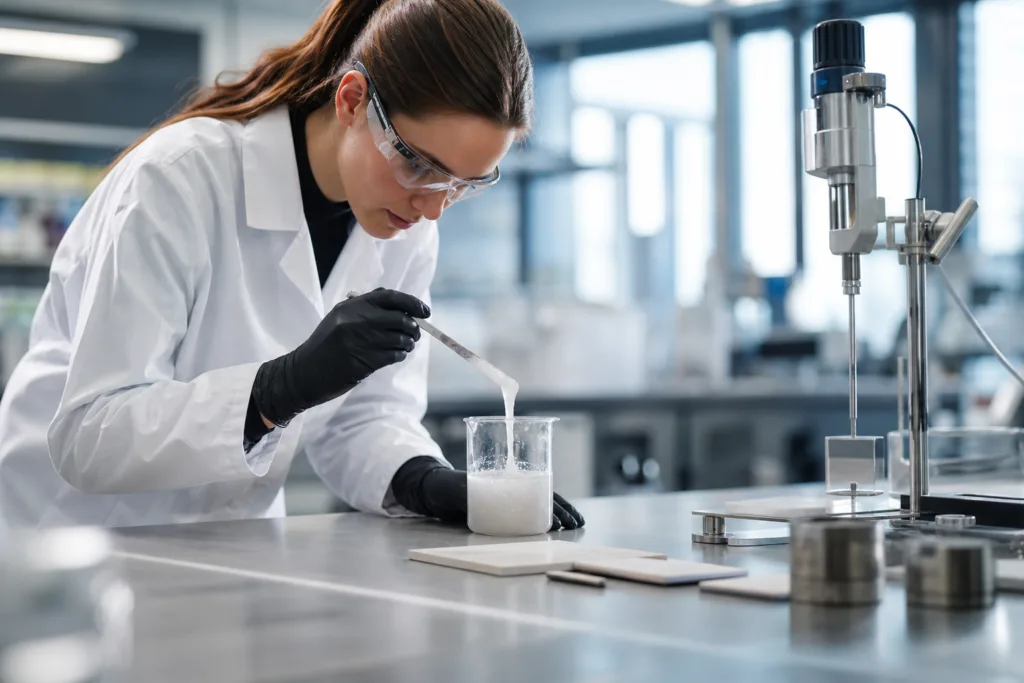
A formulation lab scene showing how acrylic adhesives are screened for stress cracking risk on plastic parts.

Can Acrylic Adhesives Damage Plastics? Evaluating Stress Cracking, Heat, and Chemical Sensitivity in Industrial Plastic Bonding

Can acrylic adhesive plastic stress cracking happen? Yes, but the answer depends less on the adhesive label and more on the plastic, the stress already inside the part, the geometry, and the service environment. In industrial plastic bonding, a joint that looks strong on a simple coupon can still create whitening, crazing, or delayed cracking

Can Acrylic Adhesives Damage Plastics? Evaluating Stress Cracking, Heat, and Chemical Sensitivity in Industrial Plastic Bonding Read More ยป

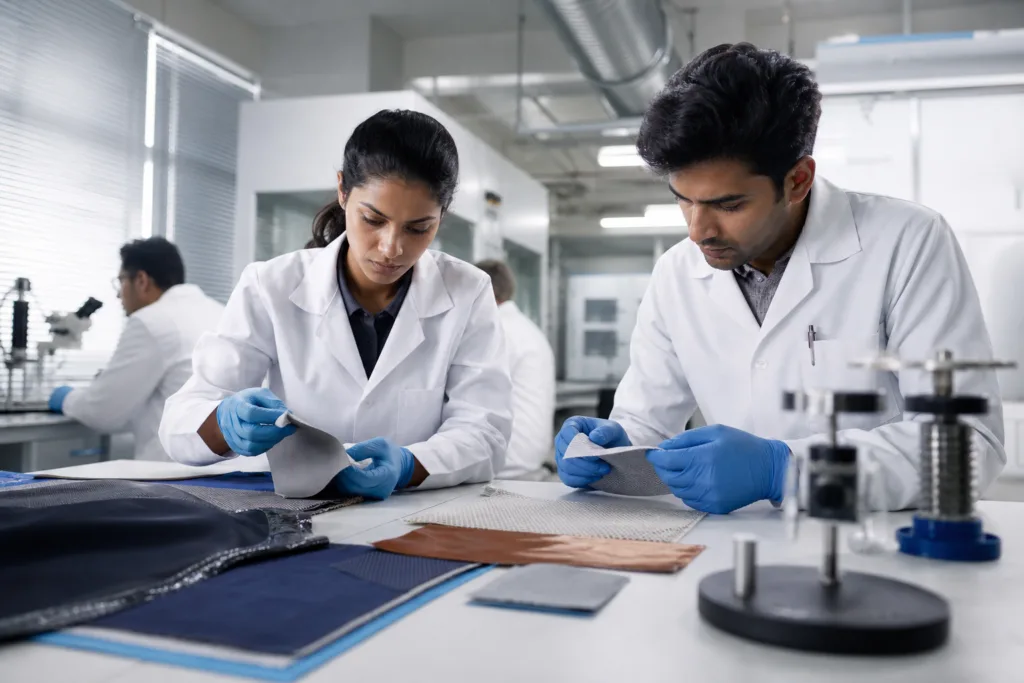
Laboratory evaluation of flexible adhesive samples for washable fabric assemblies and soft hand feel control.

Fabric-to-Fabric Adhesive Bonding: How to Maintain Softness, Flexibility, and Wash Durability

Choosing a fabric to fabric adhesive for industrial textile bonding is rarely about maximum initial strength alone. In apparel, soft goods, protective textiles, and laminated technical fabrics, the real challenge is keeping the assembly soft enough to wear, flexible enough to move, and durable enough to survive washing, folding, and repeated strain. From our adhesive

Fabric-to-Fabric Adhesive Bonding: How to Maintain Softness, Flexibility, and Wash Durability Read More ยป

A realistic industrial lab scene showing technicians checking adhesive consistency and bond samples for moisture-resistant applications.

Industrial Adhesive Quality Control for Moisture-Resistant Bonding

Moisture-resistant bonding is rarely decided by adhesive type alone. In industrial production, long-term bond reliability depends on a chain of factors: substrate condition, formulation fit, viscosity control, cure behavior, application method, storage stability, and the discipline of quality control. For buyers evaluating adhesive supply for wood, stone, composites, or mixed-material assemblies, a practical quality framework

Industrial Adhesive Quality Control for Moisture-Resistant Bonding Read More ยป

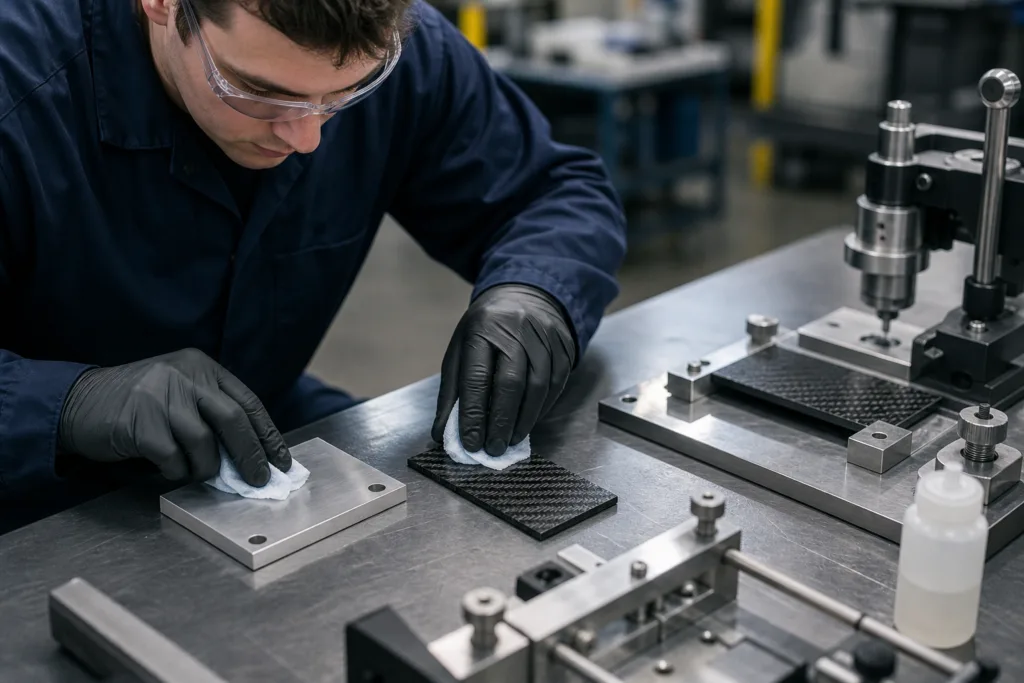
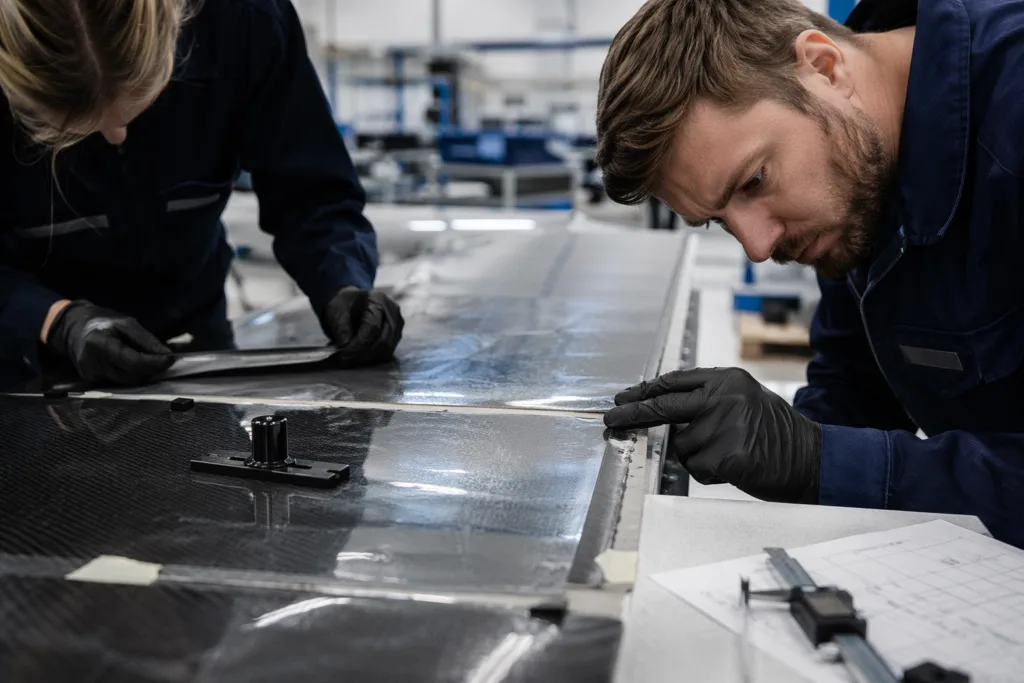
Composite engineers preparing carbon fiber laminate surfaces and bond-line controls before adhesive assembly.

Carbon Fiber-to-Carbon Fiber Adhesive Bonding: How to Build Strong CFRP Joints Without Creating Peel Failure

Choosing a carbon fiber to carbon fiber adhesive sounds straightforward until a promising joint fails at the edge, lifts under cyclic load, or loses performance after heat and moisture exposure. CFRP-to-CFRP bonding is rarely limited by published shear strength alone. In real structures, engineers must manage laminate stiffness, load direction, surface condition, bond-line control, and

Carbon Fiber-to-Carbon Fiber Adhesive Bonding: How to Build Strong CFRP Joints Without Creating Peel Failure Read More ยป

ZDS LTD ยท Adhesive Manufacturer

Get the Right Adhesive Recommendation

Not sure which adhesive fits your material, process, or performance needs?
Share a few project details, and our team will suggest a suitable ZDS product or custom formulation.