Engineer Liu

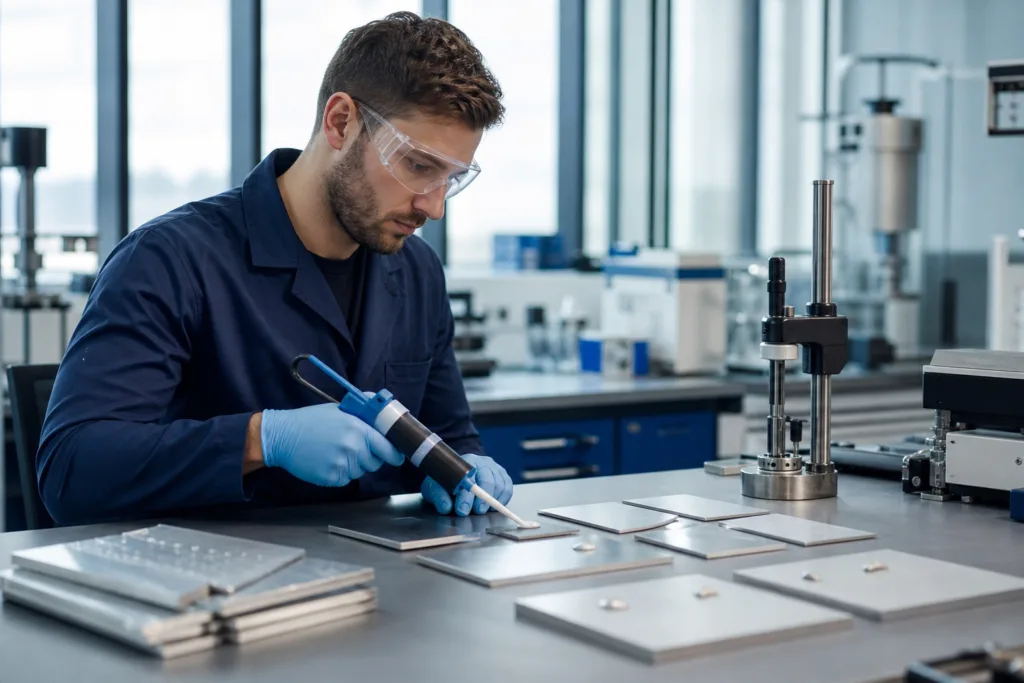
A modern adhesive manufacturing lab scene showing formulation and sample evaluation for mixed-material bonding.

How to Choose Cyanoacrylate Adhesives for Metal, Rubber-to-Metal, and Plastic-to-Metal Assemblies

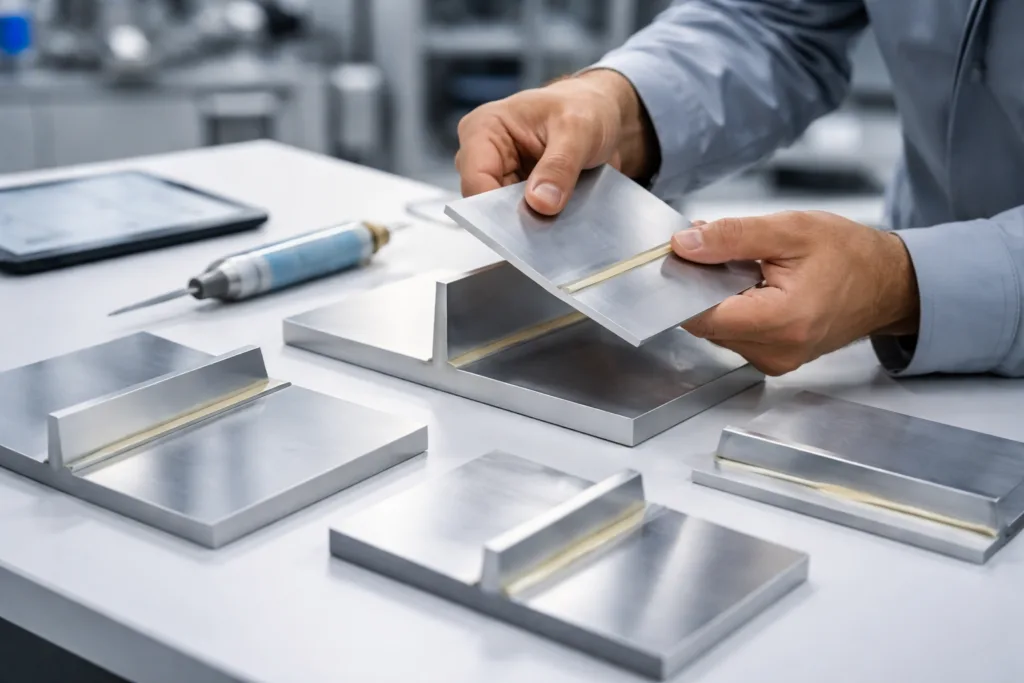
For small mixed-material assemblies, a cyanoacrylate adhesive for metal can be an efficient choice when the parts need fast fixture, compact bond lines, and clean dispensing. The real challenge is not just making the first bond, but choosing a grade that fits the substrate pair, joint geometry, and production process without creating brittle failure, bloom
How to Choose Cyanoacrylate Adhesives for Metal, Rubber-to-Metal, and Plastic-to-Metal Assemblies Read More ยป

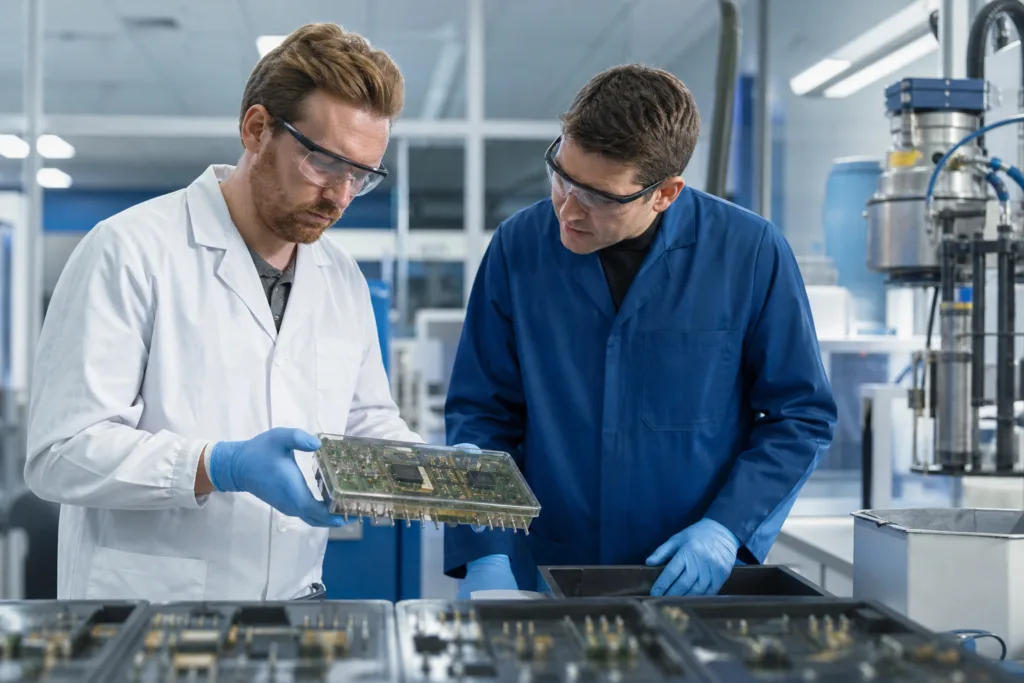
A professional adhesive laboratory scene showing engineers reviewing potted electronic assemblies and resin preparation for moisture protection performance.

How Potting Adhesives Protect Electronics from Moisture, Corrosion, Chemicals, and Contamination

Electronic assemblies rarely fail because of one dramatic event. In many cases, damage develops slowly as moisture, corrosive atmospheres, salts, oils, detergents, or process contaminants enter vulnerable areas around components, leads, solder joints, connectors, and substrate surfaces. That is why potting adhesive moisture protection is not only a materials topic, but also a design, process,

How Potting Adhesives Protect Electronics from Moisture, Corrosion, Chemicals, and Contamination Read More ยป

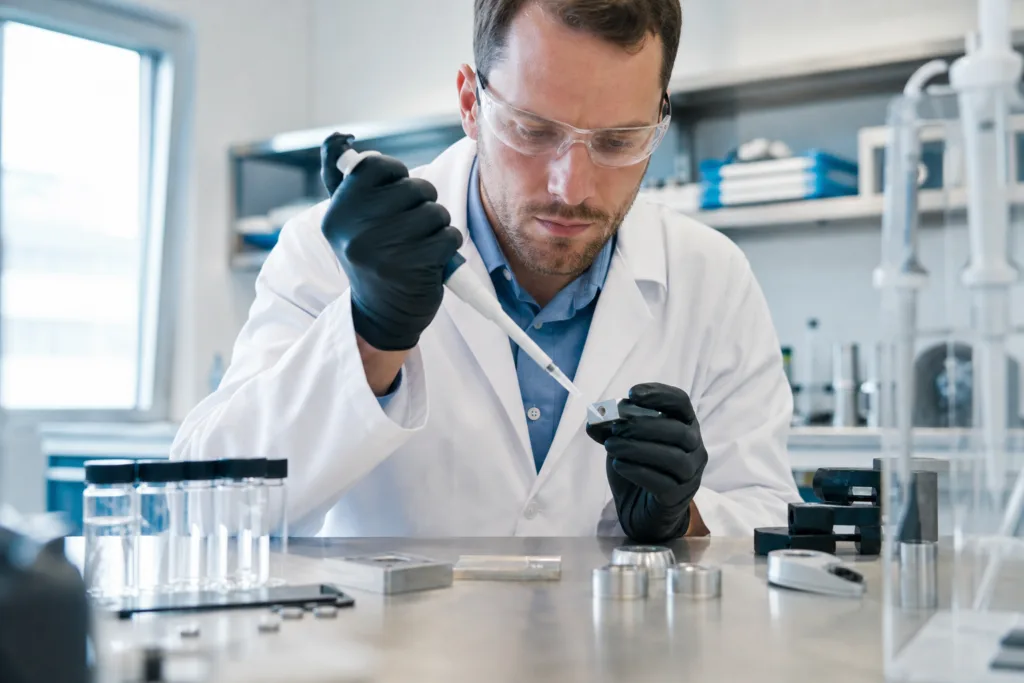
A laboratory scene showing substrate compatibility testing for silicone bonding on metal parts.

Silicone Adhesives for Metal Bonding: Managing Heat, Movement, and Corrosion-Sensitive Interfaces

Metal assemblies rarely fail because of strength alone. In many real production environments, they fail because the joint sees heat cycling, differential expansion, outdoor weather, vibration, moisture, oils, or a coated surface that behaves differently from bare metal. That is why a silicone adhesive for metal is often considered when the design goal is not

Silicone Adhesives for Metal Bonding: Managing Heat, Movement, and Corrosion-Sensitive Interfaces Read More ยป

A professional lab scene showing evaluation of bonded samples for mechanical performance beyond simple lap shear.

Fatigue, Peel, and Impact in Epoxy Adhesive Joints: Why Lap Shear Strength Alone Is Not Enough

High lap shear values often look reassuring on an epoxy data sheet, but they do not automatically mean a bonded joint will survive real service conditions. In practical assemblies, loads rarely stay as clean, centered shear. They become a mix of peel, cleavage, vibration, shock, thermal cycling, and repeated flexing. That is why epoxy adhesive

Fatigue, Peel, and Impact in Epoxy Adhesive Joints: Why Lap Shear Strength Alone Is Not Enough Read More ยป

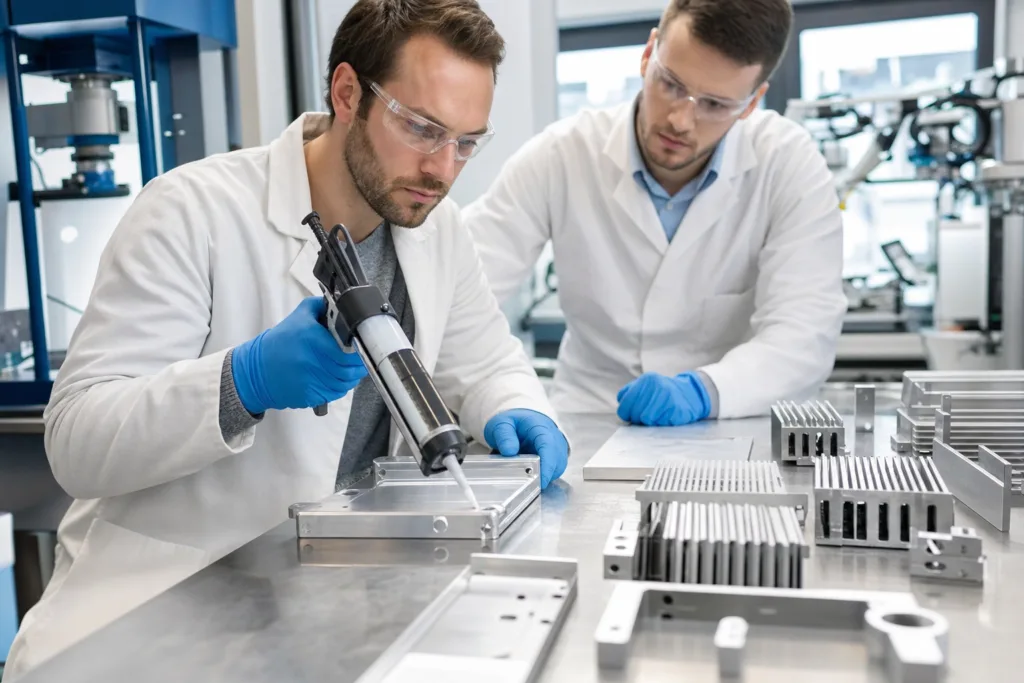
A professional adhesive development lab evaluating metal bonding performance for electronic heat sinks and support brackets.

Adhesives for Metal Components in Electronics: Choosing the Right Bonding Solution for Heat Sinks, Shielding Parts, Brackets, and Enclosures

Electronics assemblies use metal parts for far more than simple fastening. Heat sinks manage thermal load, shielding cans control EMI, brackets hold mechanical position, and housings protect sensitive circuits from shock, moisture, and contamination. Choosing the right metal adhesive for electronics means balancing bond strength with thermal behavior, electrical function, process efficiency, and long-term reliability.

Adhesives for Metal Components in Electronics: Choosing the Right Bonding Solution for Heat Sinks, Shielding Parts, Brackets, and Enclosures Read More ยป

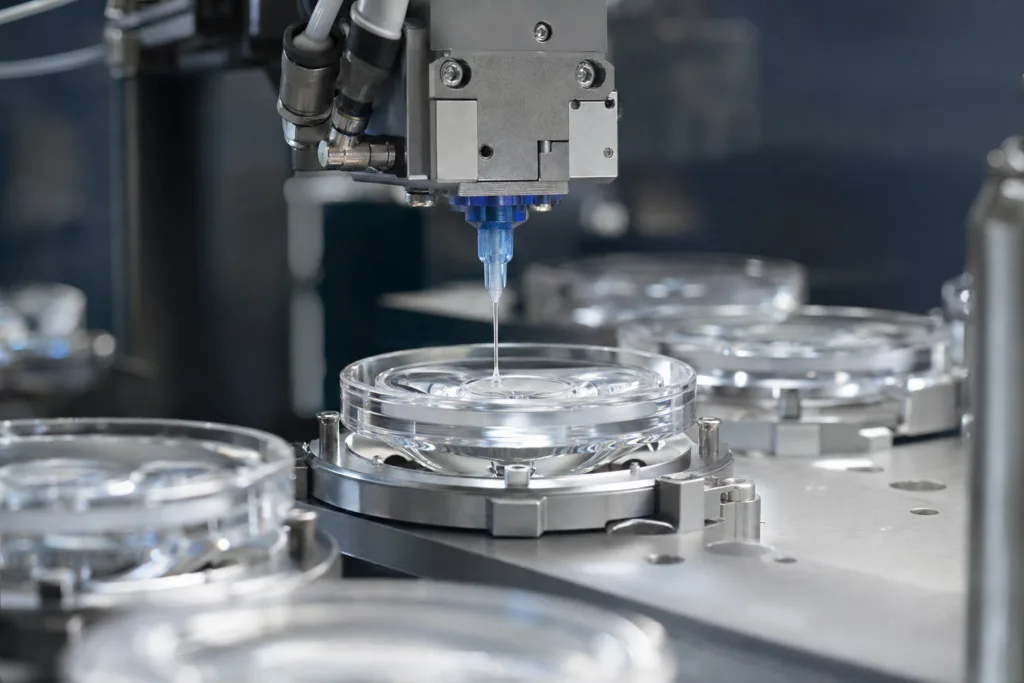
A realistic lab scene showing transparent lens bonding evaluation for LED lighting assembly.

UV Adhesives for LED and Lighting Assembly

UV adhesive for LED assembly is often chosen when manufacturers need fast fixture speed, clean appearance, and controlled bonding on transparent or semi-transparent parts. In lighting production, the real challenge is not just making a joint stick; it is keeping lenses aligned, preserving optical clarity, and maintaining performance when the assembly runs hot for long

UV Adhesives for LED and Lighting Assembly Read More ยป

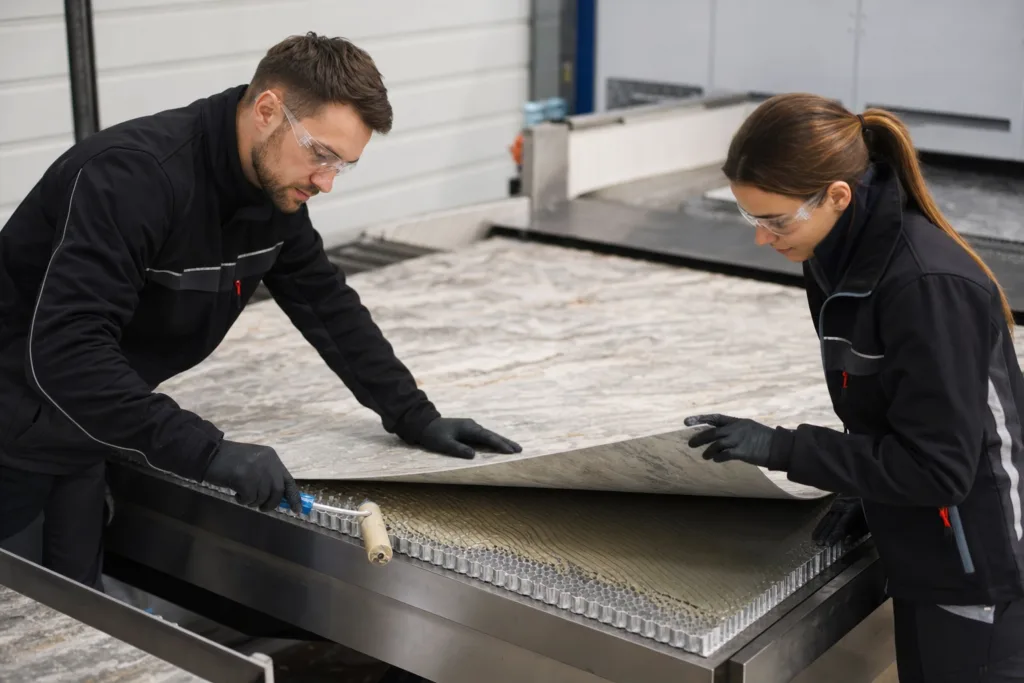
A realistic manufacturing scene showing preparation of thin stone veneer and aluminum honeycomb components before adhesive lamination.

Stone Honeycomb Panel Adhesives: How to Balance Lightweight Design, Core Bonding, and Long-Term Durability

Lightweight stone panels solve a real design and installation problem: how to keep the visual impact of natural or engineered stone while reducing weight, improving handling, and expanding use in elevators, wall cladding, furniture, and architectural interiors. But the adhesive decision becomes more demanding than it is for solid stone slabs. A stone honeycomb panel

Stone Honeycomb Panel Adhesives: How to Balance Lightweight Design, Core Bonding, and Long-Term Durability Read More ยป

A realistic industrial scene showing an engineer assessing bonded panel joints for structural adhesive replacement of mechanical joining.

Can Acrylic Adhesives Replace Welding, Riveting, or Screws? A Practical Industrial Design Guide

Industrial design teams often ask whether acrylic adhesive replace welding decisions are realistic or just attractive in theory. In practice, acrylic structural adhesives can replace some welds, rivets, and screws, reduce the number of mechanical fasteners in many assemblies, and improve appearance, weight, and mixed-material design freedom. But success depends on more than bond strength

Can Acrylic Adhesives Replace Welding, Riveting, or Screws? A Practical Industrial Design Guide Read More ยป

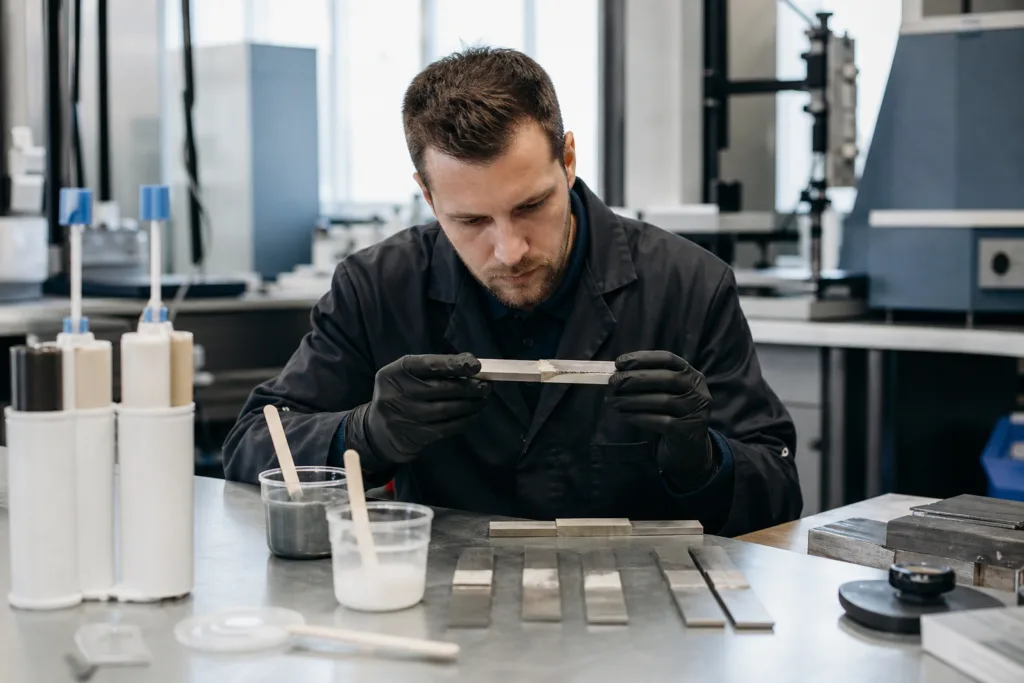
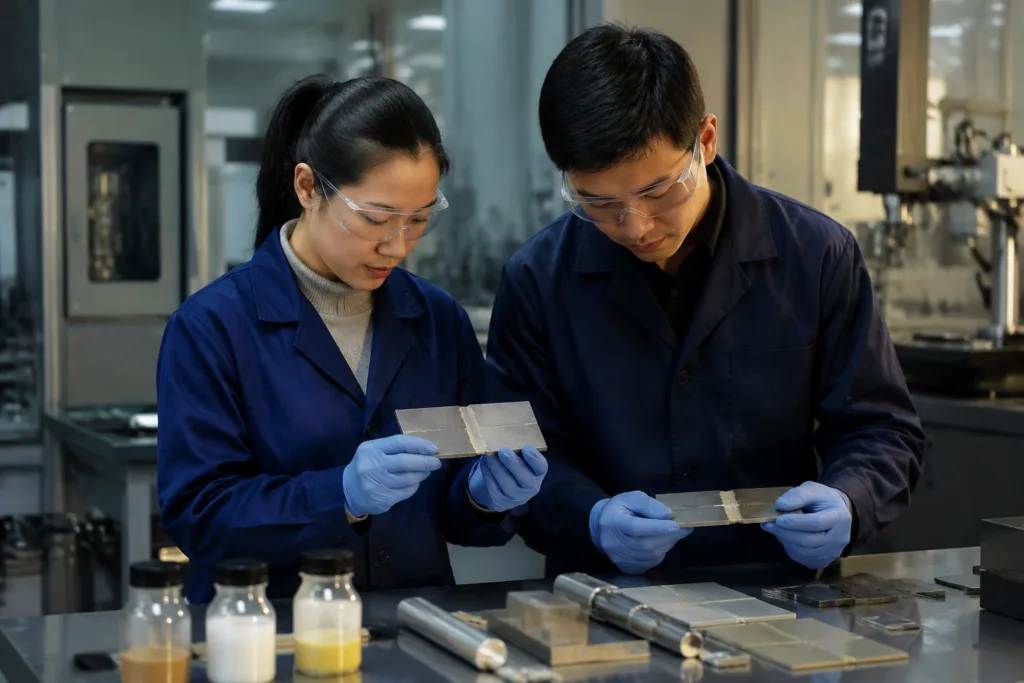
A realistic industrial laboratory scene showing engineers reviewing metal test coupons and adhesive samples for chemistry selection.

How to Choose the Right Metal-to-Metal Adhesive Bonding System: Epoxy, Acrylic, or Polyurethane for Industrial Applications

Choosing the right system for metal to metal adhesive bonding is rarely just a question of which product has the highest advertised strength. In real production environments, metal assemblies see vibration, thermal cycling, oil contamination, uneven joint gaps, line-speed constraints, and procurement pressure at the same time. That is why engineers and buyers comparing epoxy,

How to Choose the Right Metal-to-Metal Adhesive Bonding System: Epoxy, Acrylic, or Polyurethane for Industrial Applications Read More ยป

ZDS LTD ยท Adhesive Manufacturer

Get the Right Adhesive Recommendation

Not sure which adhesive fits your material, process, or performance needs?
Share a few project details, and our team will suggest a suitable ZDS product or custom formulation.