
Engineer Liu

A realistic industrial scene showing engineers comparing bonded sample joints for manufacturing decision-making.

Adhesive Bonding vs Welding, Screws, and Rivets: When Manufacturers Can Replace Mechanical Joining

Manufacturers often begin comparing joining methods when weight, appearance, corrosion risk, mixed-material design, or assembly efficiency starts to limit what welding, screws, and rivets can do. In that decision process, adhesive bonding vs welding is rarely a simple strength question. It is a broader engineering choice about how loads move through an assembly, how materials

Adhesive Bonding vs Welding, Screws, and Rivets: When Manufacturers Can Replace Mechanical Joining Read More ยป

A technical laboratory scene showing thermal adhesive formulation review and sample preparation for heat-management applications.

What Thermal Adhesive TDS Data Actually Matters: How to Read W/mยทK, Lap Shear, Viscosity, Cure, and Other Key Parameters

Thermal adhesive TDS interpretation is often treated as a quick comparison exercise, but in real sourcing and engineering work, a technical data sheet only becomes useful when you connect the numbers to bond-line thickness, substrate type, curing conditions, assembly stress, and long-term reliability. A thermal adhesive that looks impressive because of one W/mยทK value may

What Thermal Adhesive TDS Data Actually Matters: How to Read W/mยทK, Lap Shear, Viscosity, Cure, and Other Key Parameters Read More ยป

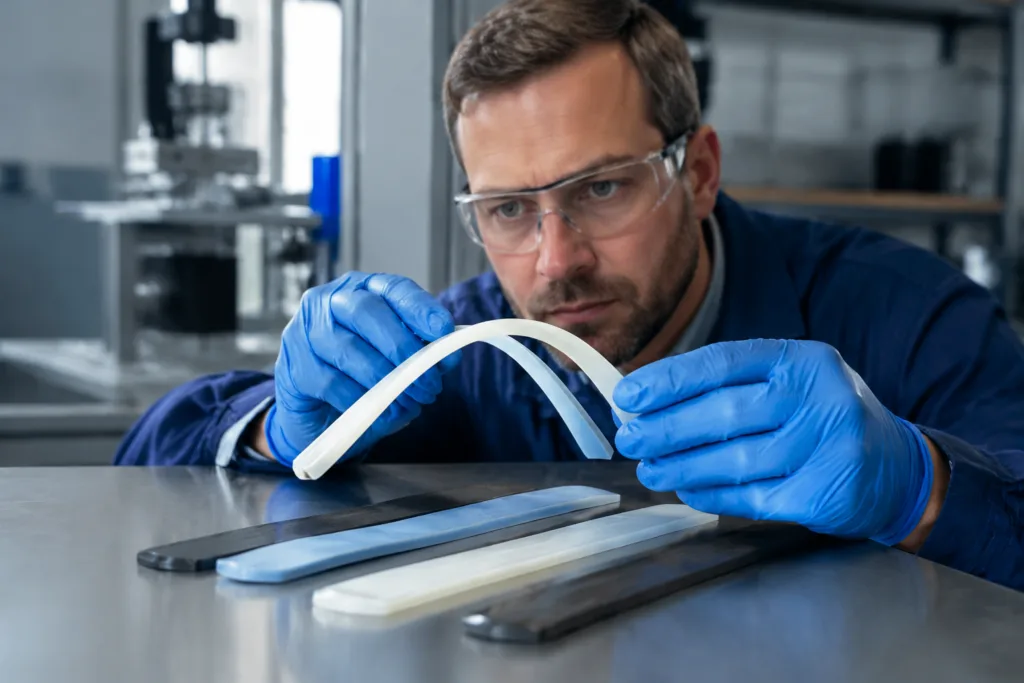
A technical lab scene showing evaluation of bonded flexible plastic samples for movement and adhesion performance.

How to Choose the Right Adhesive for TPE, TPU, and Flexible Plastic Parts Under Bending and Repeated Movement

Choosing an adhesive for TPE bonding is different from selecting a glue for rigid plastics. Soft plastics and elastomeric parts do not just need initial adhesion. They also need a bond line that can stretch, recover, resist peel at the edges, and survive thousands of bending, twisting, or compression cycles without cracking. For engineers and

How to Choose the Right Adhesive for TPE, TPU, and Flexible Plastic Parts Under Bending and Repeated Movement Read More ยป

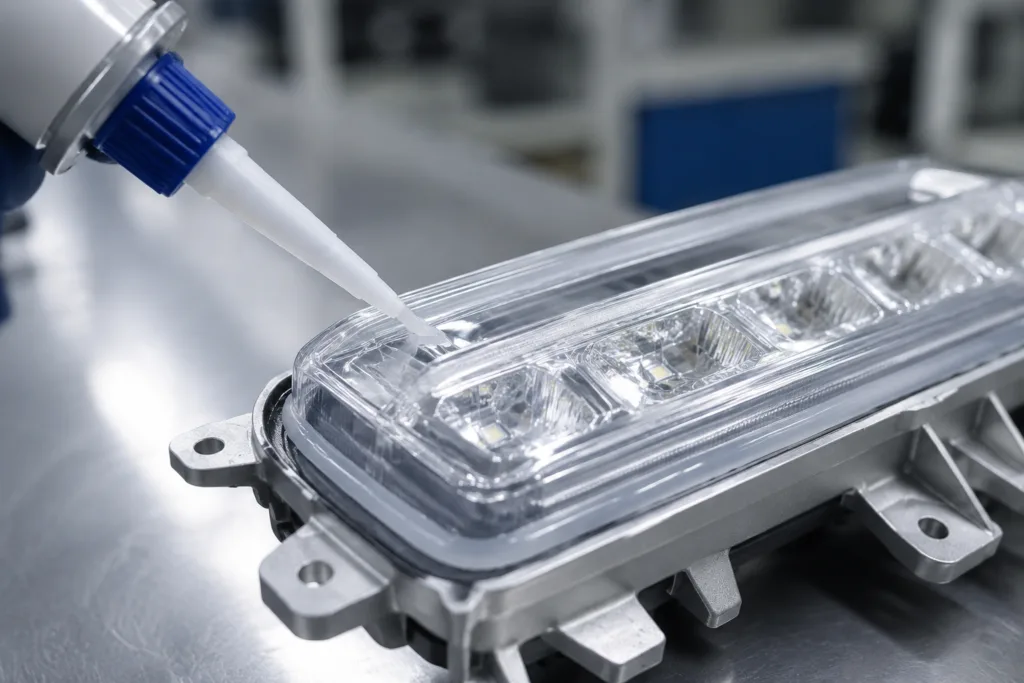
A realistic industrial image showing silicone being applied to an LED housing and lens joint for sealing and weather resistance.

Silicone Adhesives for LED and Lighting Assemblies: Balancing Heat Resistance, Optical Clarity, and Long-Term Weatherability

Choosing the right silicone adhesive for LED assemblies is rarely just a bonding decision. In lighting products, the adhesive or sealant often has to tolerate heat from drivers and chips, movement from thermal expansion, outdoor moisture, UV exposure, and in some cases the added demand of optical clarity around lenses or covers. A material that

Silicone Adhesives for LED and Lighting Assemblies: Balancing Heat Resistance, Optical Clarity, and Long-Term Weatherability Read More ยป

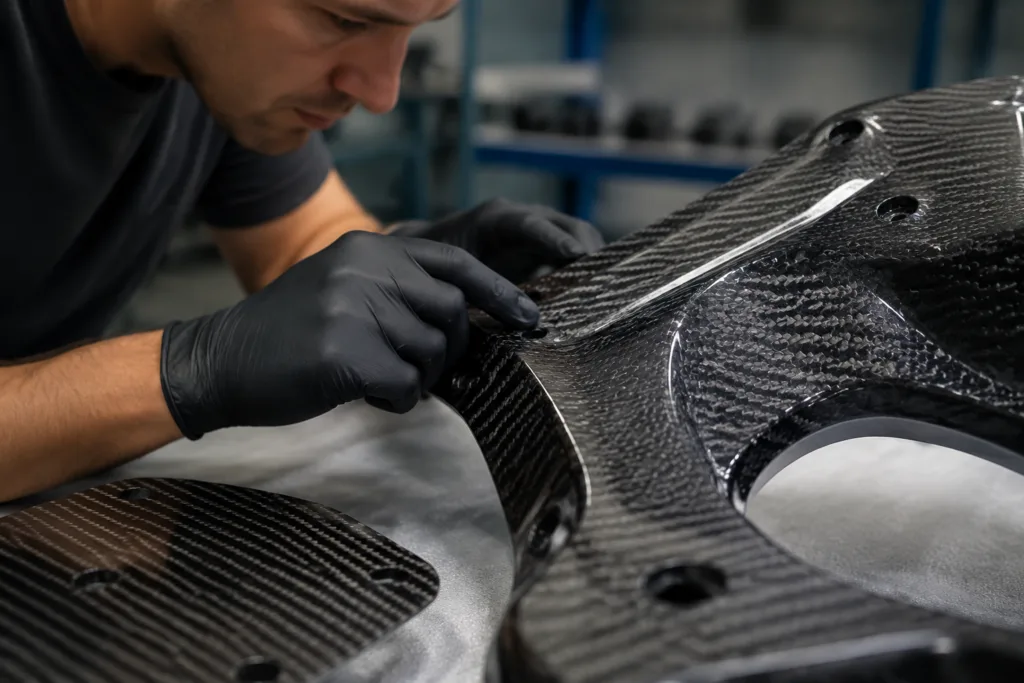
A realistic close-up scene showing cosmetic inspection of an exposed carbon fiber bond line under controlled lighting.

How to Choose an Adhesive for Visible Carbon Fiber Parts Without Ruining the Finish

Choosing an adhesive for visible carbon fiber is different from choosing one for hidden structural joints. Once the weave, gloss, edge detail, or clear-coated surface remains in view, small bonding mistakes become immediate cosmetic defects. A reliable adhesive still matters, but so do glue line appearance, overflow control, cure clarity, edge staining, and the risk

How to Choose an Adhesive for Visible Carbon Fiber Parts Without Ruining the Finish Read More ยป

A realistic industrial image showing early-stage adhesive evaluation for bonding applications and substrate review.

A Practical Industrial Adhesive Selection Checklist for Faster, Safer Project Decisions

Industrial adhesive selection often slows down when teams jump straight to product names before defining the application, the line conditions, and the actual risk of failure. A structured checklist gives engineers, procurement teams, and manufacturers a repeatable way to narrow options faster, reduce avoidable trials, and make clearer decisions across technical and commercial stakeholders. Explore

A Practical Industrial Adhesive Selection Checklist for Faster, Safer Project Decisions Read More ยป

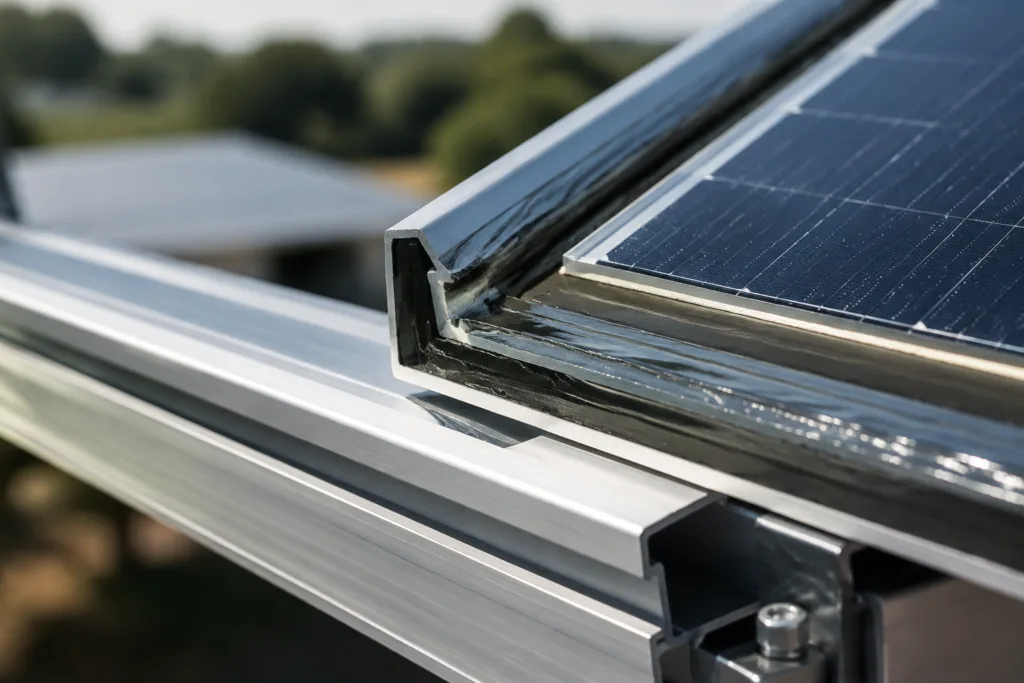
A realistic industrial image showing adhesive use in solar assembly areas where UV, moisture, and thermal stress matter.

Adhesives for Solar Energy Applications: Performance Requirements, Key Use Cases, and Validation Methods

Solar equipment operates in one of the most demanding bonding environments in industry. A solar energy adhesive may need to hold dissimilar materials together, seal against moisture, tolerate constant UV exposure, and survive years of thermal expansion and contraction without losing integrity. That is why adhesive selection for solar applications should be based on long-term

Adhesives for Solar Energy Applications: Performance Requirements, Key Use Cases, and Validation Methods Read More ยป

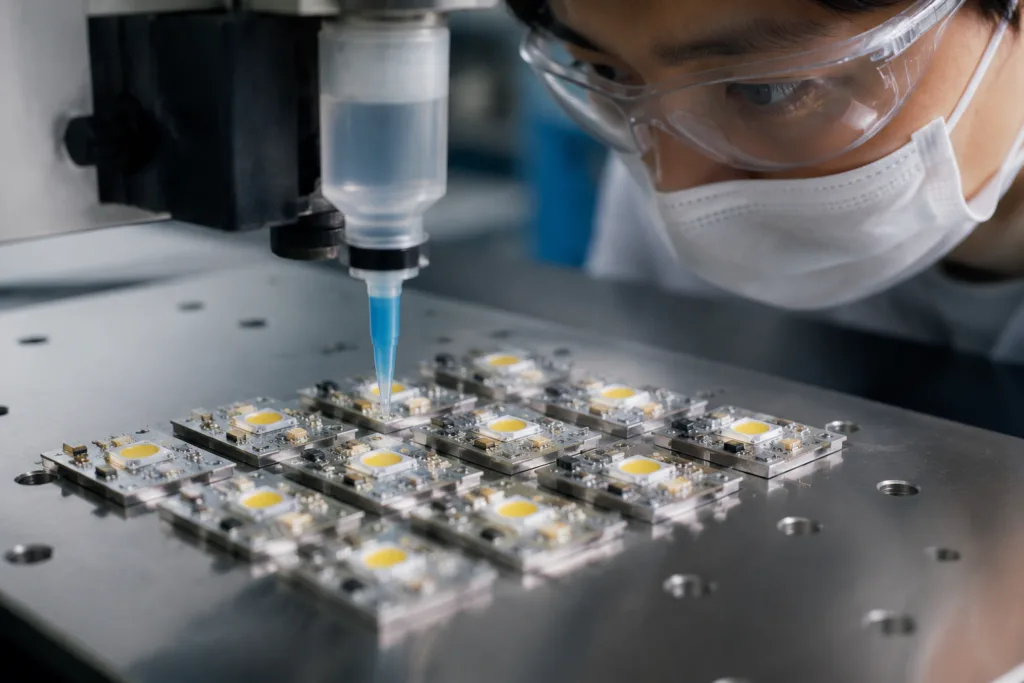
A realistic industrial image showing precise adhesive application in LED and electronics assembly.

Adhesives for LED and Electronics Assembly: How to Balance Speed, Precision, Thermal Management, and Reliability

Choosing the right led adhesive is rarely just a bonding decision. In LED and electronics assembly, adhesive performance affects optical alignment, cycle time, thermal transfer, component stress, moisture protection, and long-term field reliability. A material that cures fast but traps heat can shorten device life. A thermally efficient system that is too rigid can crack

Adhesives for LED and Electronics Assembly: How to Balance Speed, Precision, Thermal Management, and Reliability Read More ยป

A realistic construction application scene showing adhesive use in panel bonding on mixed building substrates.

Building Adhesives: Key Performance Requirements for Construction Applications

Building adhesives play a central role in modern construction because many assemblies now depend on controlled bonding rather than only mechanical fastening. In practice, the right adhesive can improve load distribution, reduce vibration, simplify installation, support waterproofing, and help teams join dissimilar materials that would otherwise be difficult to fix together. For buyers, contractors, and

Building Adhesives: Key Performance Requirements for Construction Applications Read More ยป

ZDS LTD ยท Adhesive Manufacturer

Get the Right Adhesive Recommendation

Not sure which adhesive fits your material, process, or performance needs?
Share a few project details, and our team will suggest a suitable ZDS product or custom formulation.