
Understanding Adhesive Curing vs Drying
One of the most misunderstood aspects of using industrial adhesives is the difference between curing and drying. This confusion can affect application quality, project scheduling, and even long-term bond performance. Whether you’re sourcing adhesives for manufacturing, repair, or high-value installations, knowing this distinction is foundational for process control and final product reliability.
As a professional adhesive manufacturer, ZDS supports buyers with in-depth knowledge of adhesive curing, drying, and optimal bonding solutions. For those evaluating adhesive solutions or optimizing application procedures, a useful next step is to review this manufacturer resource for detailed insights into materials, compatibility, and commercial application support that can streamline your selection process.
Why the Curing vs Drying Distinction Matters for Industrial Applications
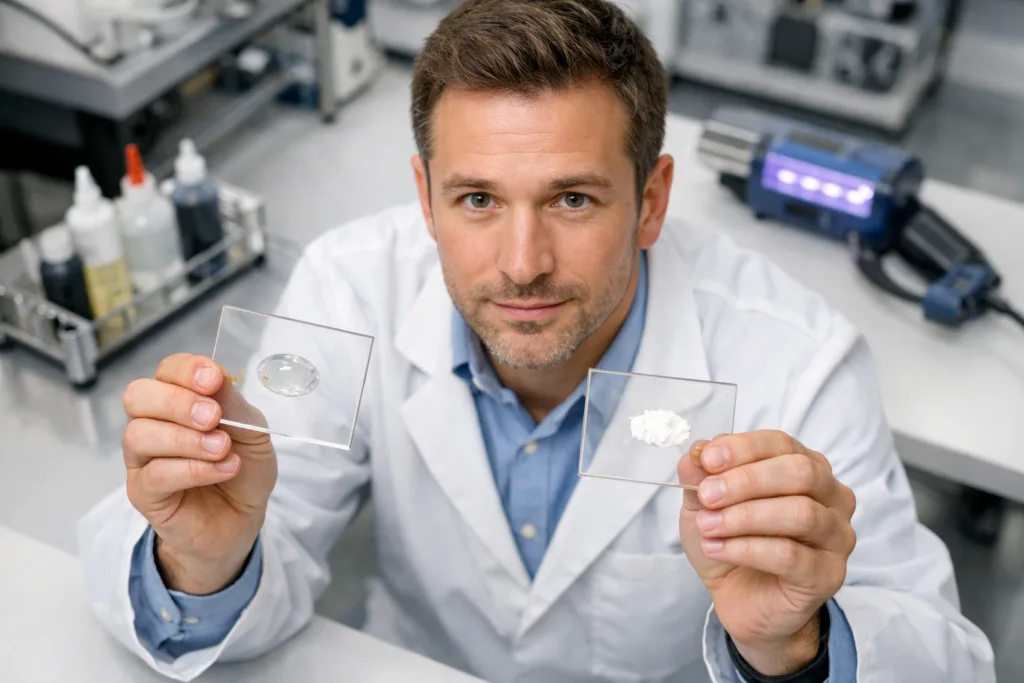
Drying and curing both transform adhesives from a liquid or semi-solid to a solid bond, but the underlying mechanisms and resulting properties differ greatly. For engineers, buyers, and production teams, misunderstanding these processes can lead to poor joint strength, unexpected rework, and liability risks.
Defining “Drying” in Adhesives
Drying refers to the physical evaporation of solvents or water from the adhesive matrix. No chemical change occurs in the adhesive itself. The bond line gains strength as the carrier leaves, but the film remains largely the same as when applied—just without the volatile components. Typical products relying on drying include solvent-based contact cements, latex adhesives, and waterborne glues.
What Is “Curing” in Adhesives?
Curing is a chemical reaction that transforms the adhesive into a crosslinked, often irreversibly solid polymer structure. Unlike drying, curing generates new properties within the adhesive—such as increased strength, chemical resistance, and heat stability—not simply by solvent loss but by molecular restructuring. Industrial epoxies, urethanes, silicones, and UV-activated adhesives are all curing-based systems.
Key Differences Between Curing and Drying
- Drying: Physical process (solvent or water evaporation)
- Curing: Chemical process (crosslinking or polymerization)
- Bond durability: Cured adhesives usually have superior chemical/thermal/microbial resistance
- Reversibility: Dried adhesives may re-dissolve in solvent or water; truly cured adhesives are often irreversible
- Application error risk: Cure-dependent adhesives are more sensitive to correct mixing, application, and environment
Common Curing Mechanisms in Industrial Adhesives
Understanding cure types helps select adhesives suited to specific assembly or repair needs. While some adhesives rely solely on air drying, most industrial-grade solutions involve chemical curing, including:
- Two-component mixing (resin + hardener systems)
- Moisture cure (from ambient humidity or substrate moisture)
- Radiation cure (UV or visible light triggers crosslinking)
- Heat cure (requires oven or elevated temperature)
- Pressure cure (some pressure-sensitive and anaerobic adhesives depend on contact or exclusion of air)
Pressure-Activated and Pressure-Sensitive Adhesives: Are They “Cured”?
Pressure-activated adhesives (PSAs) usually adhere via physical interaction with the substrate and may never truly cure in the chemical sense. Their effectiveness depends on surface energy and application force but not on solvent evaporation or crosslinking. PSAs are common in tapes, labels, and protective films.
What Influences Adhesive Cure Speed?
Cure speed, or the time needed for an adhesive to reach handling or final strength, is influenced by several factors:
- Temperature: Higher temperatures typically increase cure rate for most chemistries.
- Humidity: Crucial for moisture-cure materials like some polyurethanes, silicones, or cyanoacrylates.
- Mix ratio: For two-part adhesives, incorrect balance can halt or slow curing entirely.
- Substrate materials: Certain surfaces accelerate (wood can catalyze cyanoacrylates) or inhibit (acidic surfaces) cure.
- Adhesive chemistry: Some adhesive formulations naturally cure faster (e.g., “fast-cure” grades).
- Catalyst or additive presence: Manufacturers sometimes incorporate accelerators or retarders to tune properties.
Body Link Example: Advanced Cure Methods
For high-efficiency assembly lines and critical bond lines, specialized UV adhesive systems offer rapid curing with precise control, enabling tight process windows and minimizing wait times.
Pot Life, Open Time, and Full Cure: What You Must Track
Every adhesive job involves managing several time-related parameters:
- Pot life: The effective workable time after mixing two components, before viscosity rises or the blend becomes unworkable.
- Open time: The window after application during which bonding and assembly should occur for optimal results.
- Full cure: The period after which the adhesive achieves its intended chemical and physical properties (not just “touch dry”).
Typical Mistakes: Misreading “Touch Dry” as Cured
One of the most common industrial assembly errors is taking ‘touch dry’ as an indicator of bond readiness. Many adhesives feel dry to the touch long before they’ve chemically cured or reached mechanical strength, causing failures when loads or post-processing are applied prematurely. Always refer to technical data sheets for guidance on handling time vs. full cure schedules.
What Happens If Cure Is Interrupted?
Incomplete or interrupted curing can lead to bond weakness, unpredictable performance, and failure during thermal or environmental stress. Moisture-cure adhesives, for instance, may form a skin while remaining soft underneath; two-part epoxies may never get beyond tack if mixed improperly or used outside their temperature range.
Material Compatibility and Cure Success
Substrate properties often influence the cure process itself. For example, porous substrates may outgas solvents and slow drying; acidic or contaminated metals can inhibit the curing of sensitive chemistries. Always align adhesive choice with both application and material requirements for best results.
Key Environmental Considerations
Factors like relative humidity, ambient temperature, air flow, and even surface temperature drive both cure consistency and quality. In field or shop-floor conditions, environmental monitoring and staged testing can mitigate expensive rework.
Body Link Example: Verification and Testing Methods
Confirming cure progress and adhesive bond development requires solid protocols. Explore our guide on adhesive testing methods for more about verifying readiness and performance.
Curing Profiles: Fast vs Standard Grades
Fast-cure adhesives enable rapid throughput, but sometimes at the cost of reduced working time (pot life) or long-term flexibility. Always match the curing profile to the actual process—not simply for speed but for reliability. Fast-curing cyanoacrylate adhesive is a good example where an accelerated cure can be advantageous in high-volume settings, but requires swift handling and precise application procedures.
Curing Equipment and Process Control
Industrial users may require ovens, UV lamps, or moisture chambers for consistent results. Process validation, log sheets, and temperature/humidity controls ensure batch-to-batch uniformity, especially for mission-critical or regulated applications.
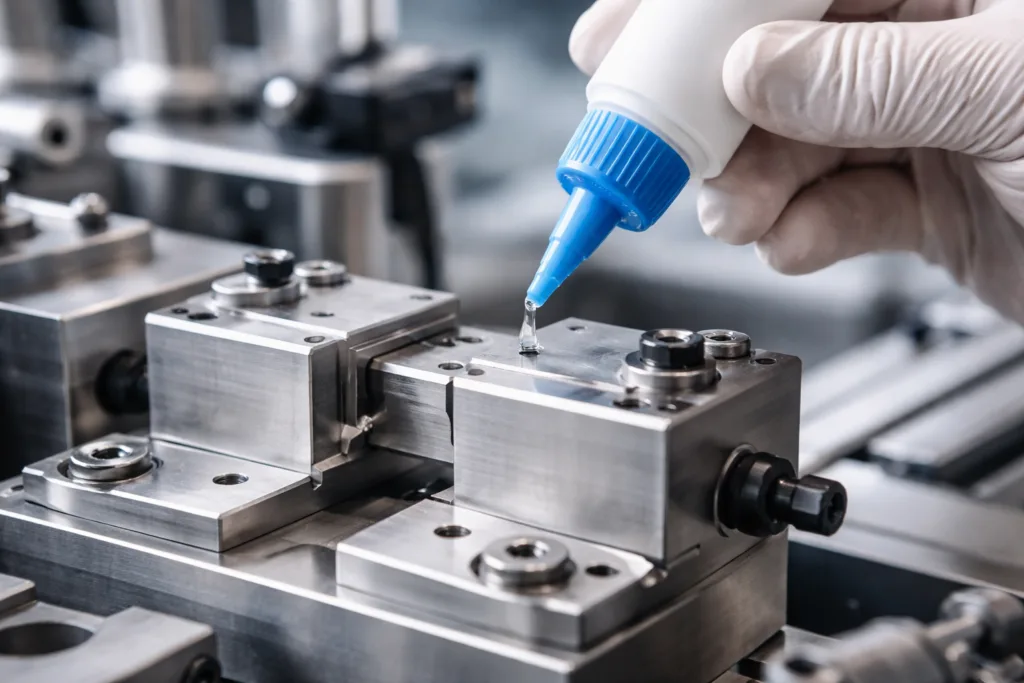
Pot Life Management: Risks and Best Practices
Ignoring pot life can cause partially cured bonds, waste, and assembly stops. Always mix only the quantity needed within the pot life window. If working temperatures shift, retest material response—cooler conditions often extend pot life, but slow full cure.
Interpreting Manufacturer Technical Data Sheets
Data sheets from manufacturers like ZDS will clearly note definitions and lab-tested values for open time, pot life, and cure period. Reference these values, adjusting for your environmental conditions where possible. Field trials can supplement official specs when scaling from lab to production environments.
Visual Signs of Drying vs Curing
Drying may leave a colored or tack-free film after application. Curing is less obvious—a cured bond may pass thumb pressure testing, resist re-dissolving, or withstand thermal cycling. Robust QC processes often include targeted stress or peel tests to confirm the adhesive is actually cured, not just “set.”
Cure vs Dry: Choosing the Right Adhesive for Each Job
For assemblies requiring high chemical resistance, mechanical stress endurance, or exposure to harsh environments, favor curing chemistries. If rapid but moderate strength is sufficient—and rework, removability, or cost are the drivers—drying-based adhesives might fit, provided they meet product requirements.
Pressure-Activated Adhesives: Application Realities
Surface prep and pressure application methods are critical to bond success with PSAs. These adhesives are chosen when speed, repositionability, or minimal mess are priorities, but may be unsuitable for structural, load-bearing applications unless co-cured with other bonding elements.
Common Buyer Mistakes: Overlooking Cure Schedules
Misjudging cure time can compromise assembly strength, especially in high-cycle operations. Buyers sometimes select “fast-cure” or “instant” adhesives without matching full cure times to process demands. Always build in process controls and adjust scheduling where necessary.
Project Case Study: The Impact of Incomplete Curing
In field repairs, especially in remote or unpredictable environments, application teams may deploy curing adhesives in adverse conditions. A lack of proper humidity or insufficient temperature can leave bonds partially cured, leading to post-deployment failures and escalated troubleshooting costs.
When to Choose Custom-Formulated Adhesives
If standard adhesives consistently underperform due to unique substrates, work speeds, or curing needs, discuss custom formulations. Custom adhesives can modify pot life, cure speed, or feature multi-stage activation for unique production lines. To explore options, see our overview of the custom adhesive development process and engage with your manufacturer early in project planning.
Regulatory and Safety Considerations
Handling drying and curing adhesives may involve different solvent emissions, flammability risks, and ventilation requirements. Review safety data sheets and ensure all handling and curing operations meet relevant workplace protocols and regulatory limits.
Aligning Adhesive Selection with Process Needs
Selection is about more than just cure mechanism—it’s about understanding the end-use environment, required handling times, and the risks associated with premature assembly or fast-tracked use. Consulting with your manufacturer strengthens the fit between adhesive and application.
Summing Up: Cure vs Dry in the Real World
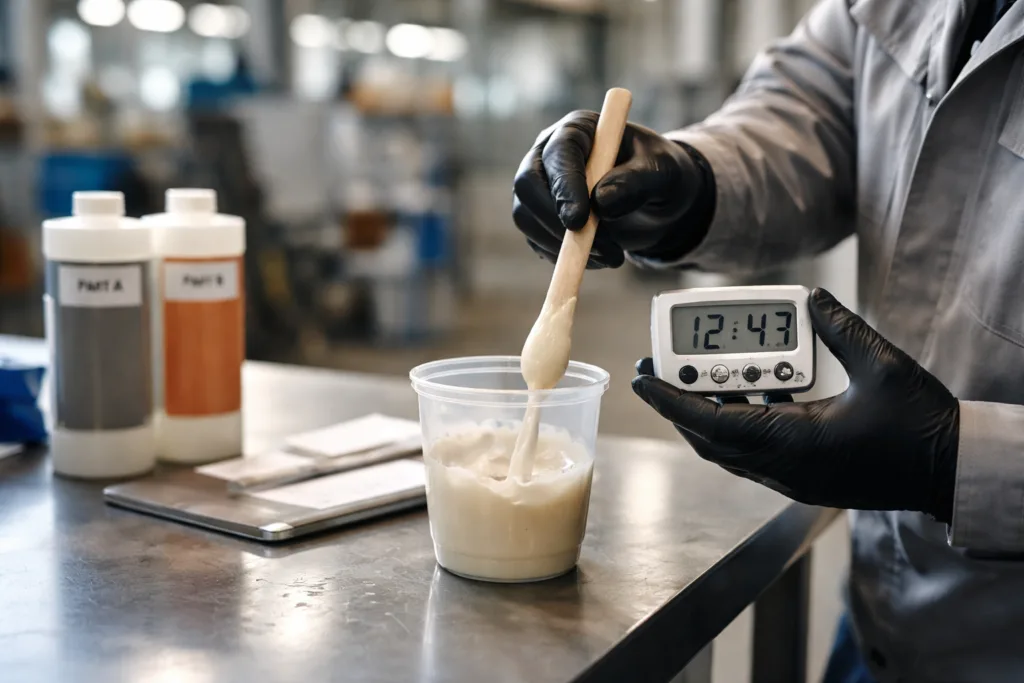
Effective adhesive use means understanding when and why to choose a drying system versus a curing system, recognizing the limits of “touch dry” assessments, and prioritizing process validation at every stage from material selection through to final inspection.
Frequently Asked Questions
What is the main difference between adhesive curing and drying?
Adhesive drying involves the evaporation of solvents or water, while curing is a chemical process forming new bonds for improved strength and durability.
Why does it matter if an adhesive is cured or just dried?
Cured adhesives usually achieve higher chemical, heat, and mechanical resistance. Misunderstanding can lead to weaker bonds and process errors in industrial applications.
How can buyers avoid common curing mistakes?
Review technical data, confirm environmental requirements, and observe pot life, open time, and full cure times as given by the manufacturer.
Is “touch dry” a reliable indicator of full adhesive cure?
No. Many adhesives feel dry before they’re fully cured. Rely on manufacturer guidance for handling and full cure rather than tactile testing alone.
What affects adhesive cure speed most strongly?
Cure speed depends on temperature, humidity, mix ratio, substrate type, and adhesive chemistry. Always consider process conditions when planning assembly.
Are pressure-sensitive adhesives considered curing adhesives?
Typically no; pressure-sensitive adhesives bond via physical contact, not crosslinking. Their strength and reversibility characteristics differ significantly from curing adhesives.