
Unlock Better Results: What Information to Prepare Before Asking for a Custom Adhesive Quote
Requesting a custom adhesive quote from a manufacturer can be a pivotal first step toward an efficient and reliable bonding solution for your project. Whether you are sourcing adhesives for industrial assembly, repairs, or packaging, the quality of your initial inquiry directly impacts the accuracy, speed, and suitability of the recommendations you receive. By preparing detailed information before reaching out, you not only accelerate communication but also enable the adhesive manufacturer to deliver options that fit your exact technical and operational needs.
Before requesting a custom adhesive quote, it’s important to understand what information ZDS, as a professional adhesive manufacturer, will need from you. This helps ensure your inquiry gets the thoughtful analysis and practical advice it deserves—readers comparing solution options may also want to review the full solution and product scope on our main site here for more targeted technical reference and application fit.
Why Detailed Information is Essential for Accurate Custom Adhesive Quotes
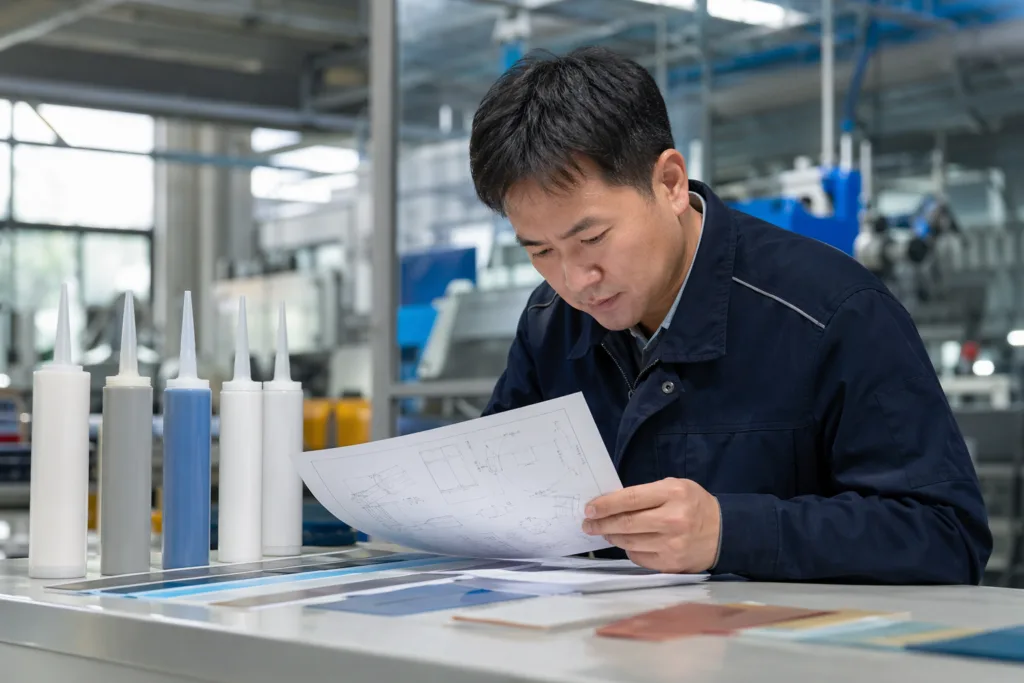
A manufacturer’s ability to provide precise recommendations—and ultimately an effective adhesive solution—hinges on knowing critical details about your application, materials, environment, and performance requirements. Missing or vague data often leads to generic responses or unnecessary back-and-forth, slowing down your project timeline and increasing the risk of ill-fitting solutions.
The Difference Between Manufacturer and Supplier Quotes
Many buyers assume that quoting for adhesives is a simple price request, but a true manufacturer-led custom adhesive quote goes far beyond basic sourcing. Manufacturers (like ZDS) analyze your actual process and materials to create or select a formulation that aligns with real-world function, regulatory needs, and logistical constraints—whereas suppliers often focus on catalog options and volume pricing. The more context you provide, the less guesswork (and risk) there is in the solution process.
Key Information to Prepare Before Asking for a Custom Adhesive Quote
To maximize the value of your inquiry, gather and organize the following information before reaching out:
Substrate Details: What Are You Bonding?
Describe both primary and secondary materials to be joined (e.g., aluminum to composite, PVC to wood, rubber gaskets). Include model, grade, surface finish, and anticipate issues like roughness or contamination.
- Material types (metal, plastic, glass, elastomer, etc.)
- Chemical composition (if known)
- Surface treatments (anodized, painted, oily, etc.)
- Dimensions and geometry of the bonded area
Application Conditions and Process Environment
List out all relevant factors affecting adhesive performance during and after application:
- Ambient temperature and humidity
- Exposure to chemicals, solvents, or fluids
- Vibration, thermal cycling, UV exposure
- Cleanliness and preparation method
- Production line speed and throughput targets
- Curing environment (room temperature, elevated heat, controlled humidity, etc.)
Strength Targets and Mechanical Requirements
Defining expected bond strength and failure modes helps manufacturers recommend adhesives tailored for your stress conditions:
- Minimum peel, shear, or tensile strength
- Type and direction of expected loads
- Requirement for flexibility, rigidity, or elongation
- Desired lifespan or fatigue cycles
Operational and Technical Constraints
Identify limitations or requirements in your facility, process, or end-use scenario:
- Application method (manual, automated, robotic dispensing)
- Mix ratio and pot life restrictions
- Open time, cure time, and rework needs
- Clean-up and waste handling preferences
Packing, Logistics, and Documentation Requirements
Include details to ensure fit within your workflow and compliance needs:
- Packaging sizes and formats (cartridges, drums, bottles, bulk)
- Labeling, safety data, instructions, and batch tracking
- Shipping constraints and climatic transport risks
- Documentation for traceability and certifications
Industry-Specific Compliance or Certification Requirements
If your application is subject to regulations or certifications (food-safe, medical, aerospace), specify all relevant standards. This affects not just formulation but testing, documentation, and liability exposure.
Project Scale, Volume, and Timeline Expectations
Volume requirements, repeat orders, and project deadlines strongly influence manufacturing planning and cost optimization.
- Estimated annual or batch volume
- Prototype vs production run
- Project start and finish timeline
- Flexibility around delivery schedule
Example Checklist: Custom Adhesive Inquiry Preparation
| Information | Details Needed |
|---|---|
| Substrate | Material, finish, dimensions |
| Environment | Temperature, humidity, chemicals |
| Strength | Load type, target values |
| Process | Application method, curing |
| Packing | Size, format, labeling |
| Certification | Required standards |
| Volume | Batch size, frequency |
| Timeline | Deadline, delivery flexibility |
How Improved Inquiry Quality Benefits Buyers and Manufacturers Alike
Providing thorough information not only speeds up the quote process, it increases the likelihood of receiving recommendations that genuinely fit your operational, certification, and value goals. Manufacturers are able to assess technical feasibility sooner, avoid engineering ambiguities, and flag risks before product trials begin.
- Reduces risk of mis-application or costly rework
- Supports process efficiency and lower indirect costs
- Strengthens compliance preparedness
- Enables customized packaging and logistics solutions
What Happens If You Provide Incomplete Information?
Incomplete, vague, or generic inquiries often result in broad, non-specific recommendations or multiple rounds of clarifying questions. This can delay project launches, create hidden technical risks, and ultimately yield higher total costs—even if a ‘catalog’ adhesive is cheaper per unit.
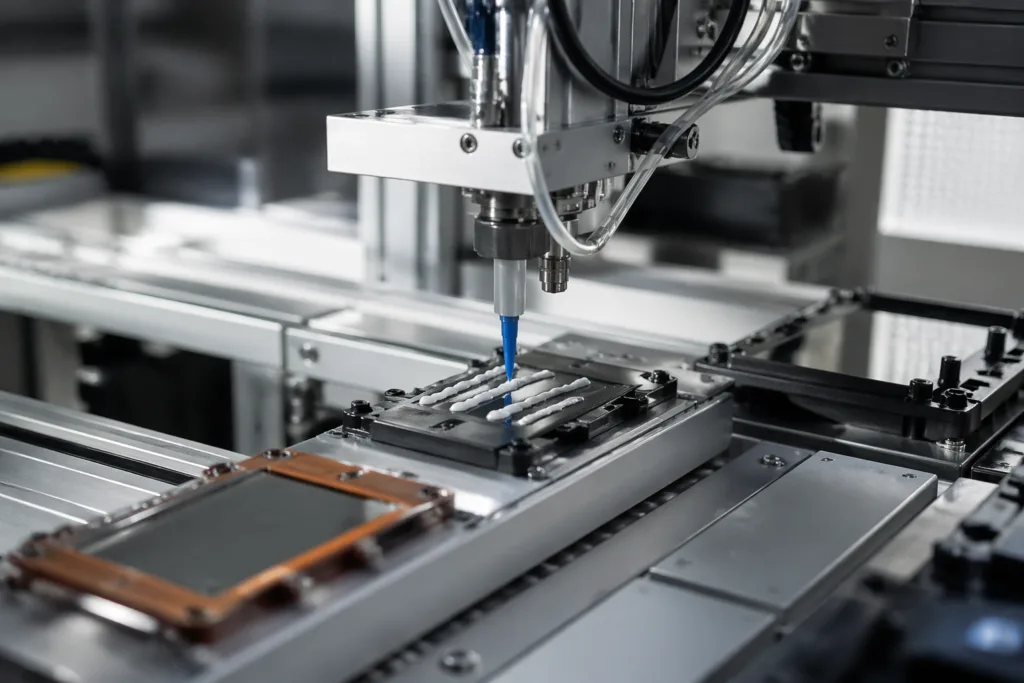
Case Scenario: Specifying Only “General Purpose” Adhesive
If a buyer requests a quote for a ‘general purpose’ adhesive without any material, environmental, or performance context, the manufacturer may be forced to suggest conservative, over-engineered, or risk-prone solutions. In industrial contexts, such ambiguity often leads to premature failure or compliance gaps, particularly for mission-critical applications.
Best Practices for Communicating Project Needs to an Adhesive Manufacturer
When in doubt, err toward over-communicating rather than under-sharing. Attach diagrams, material certificates, operation videos, or prior adhesive performance data. Clearly mark must-have requirements versus preferences. Consider confidential disclosures if your project involves proprietary innovations.
Custom Formulation Projects: What to Prepare
For applications where a catalog option does not exist or is unsuitable, preparing a full set of technical requirements is vital. ZDS often guides clients through formulation interviews, drawing from their application data, performance targets, and compliance needs. You can learn more about this process when a project needs a bespoke adhesive solution that moves past standard products.
Full-Service Manufacturer Support
Industrial buyers with complex project requirements may benefit from partnering with manufacturers offering full-service custom adhesive development, including lab testing, onsite trials, and ongoing optimization. Mapping out your key information beforehand enables a smoother, more collaborative process.
Technical Testing and Validation: Why Pre-Screening Matters
Manufacturers use your detailed information to pre-screen adhesives, simulate application conditions, and design testing plans. For advanced buyers, reviewing key adhesive testing methods buyers should know arms you with better understanding of what manufacturers require to validate product fit.
Common Mistakes Buyers Make When Seeking Custom Adhesive Quotes
- Failing to specify material pairs or surface treatments
- Omitting environmental factors (heat, moisture, chemical exposure)
- Giving unclear strength requirements
- Neglecting regulatory or certification needs
- Requesting a quote without target volume or timeline
- Ignoring packaging or handling constraints
Comparing Manufacturer Quotes: What to Look For
When you receive quotes from different adhesive manufacturers, evaluate not just price but the specificity of technical recommendations, inclusion of testing protocols, clarity around logistics, and depth of compliance coverage. Detailed quotes reflect thorough understanding, which typically translates into higher solution reliability.
Reducing Mismatch Risk: Why Information Clarity Matters
The more clarity you bring, the less risk there is of mismatched adhesives, unplanned production delays, or performance shortfalls. Well-prepared project data empowers both buyer and manufacturer to move efficiently from inquiry to implementation.
Ready for Your Next Custom Adhesive Inquiry?
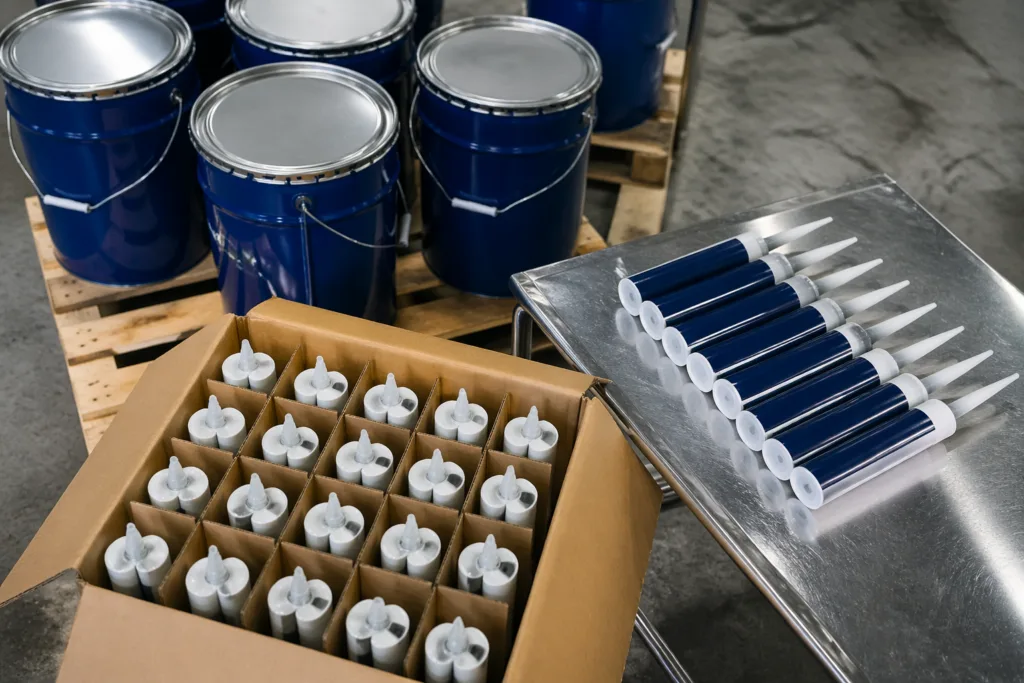
Prepping the right information before reaching out saves time, improves technical matches, and supports lasting project outcomes. Use this guide as a checklist whenever planning custom adhesive sourcing. Thorough preparation turns every quote into a practical step closer to a successful bond.
Frequently Asked Questions
What materials details are most important for a custom adhesive quote?
It’s essential to specify each substrate’s type, grade, surface finish, and dimensions. This enables accurate compatibility analysis and minimises risk of bond failure.
Why does the manufacturer need to know about process and environment?
Application conditions such as temperature, humidity, and chemical exposure can affect adhesive performance and durability, so sharing these details guides formulation and recommendation.
What happens if I leave out the target bond strength?
Without clear strength requirements, manufacturers may default to conservative or ill-fitting options that can impact both performance and cost efficiency.
Do packaging or logistics requirements need to be specified upfront?
Yes, specifying the preferred packaging size, format, and labeling needs ensures the adhesive fits operational workflows and regulatory documentation.
How can I speed up the custom adhesive quote process?
By providing complete information about substrates, environment, strength, certifications, volume, and timelines, you help manufacturers deliver faster, more precise recommendations.
Is it necessary to share regulatory or certification needs during inquiry?
Including these requirements from the start prevents mismatches, improves compliance, and helps the manufacturer prepare proper technical validation documents.