
Carbon Fiber Adhesive Manufacturer

Custom adhesive solutions for carbon fiber bonding, carbon fiber-to-metal assembly, lightweight structural parts, repair, reinforcement, and high-performance manufacturing.
Carbon fiber adhesives are used to bond carbon fiber composite parts with other carbon fiber structures, metals, plastics, and precision components where low weight, high strength, and stable long-term performance matter.
As an adhesive manufacturer, ZDS develops and supplies custom carbon fiber adhesive solutions for drones, automotive components, robotics, sporting goods, industrial equipment, lightweight frames, and advanced composite assemblies.

Get Best Solution

Carbon Fiber Adhesive Solutions for Lightweight High-Strength Structures

Carbon fiber parts are often chosen for their excellent strength-to-weight ratio, stiffness, corrosion resistance, and dimensional stability. However, bonding them successfully requires more than general-purpose adhesion.

A suitable carbon fiber adhesive should support:

  • Strong structural bonding
  • Stable carbon fiber-to-metal joints
  • Stress distribution across rigid parts
  • Resistance to vibration and dynamic loading
  • Good performance after proper surface preparation
  • Clean bonding for visible or premium product surfaces
ZDS helps customers select or customize carbon fiber adhesives based on part structure, load requirement, bonded material, production process, and service environment.

What Are Carbon Fiber Adhesives Used For?

Carbon fiber adhesives are used to bond, reinforce, repair, or assemble lightweight composite structures.

Common Uses Include:

  • Carbon fiber-to-carbon fiber bonding
  • Carbon fiber-to-metal bonding
  • Carbon fiber-to-plastic bonding
  • Lightweight frame assembly
  • Carbon fiber panel bonding
  • Drone arm and frame bonding
  • Robotic component assembly
  • Sporting goods structure bonding
  • Automotive carbon fiber part assembly
  • Carbon fiber insert and bracket bonding
  • Local repair and reinforcement
  • Decorative and visible carbon fiber part bonding
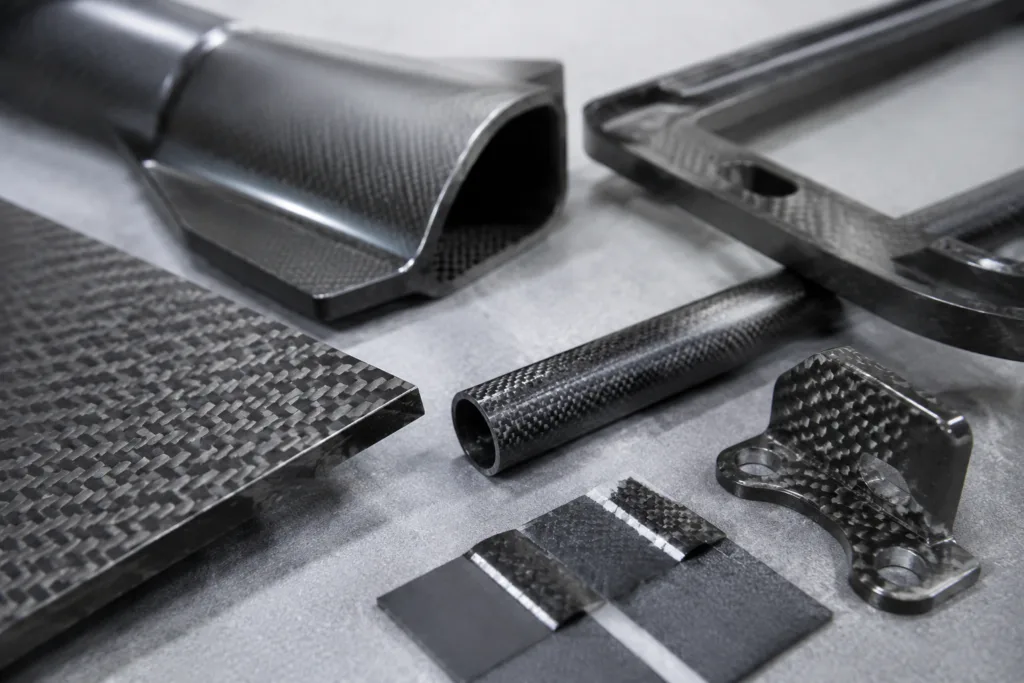
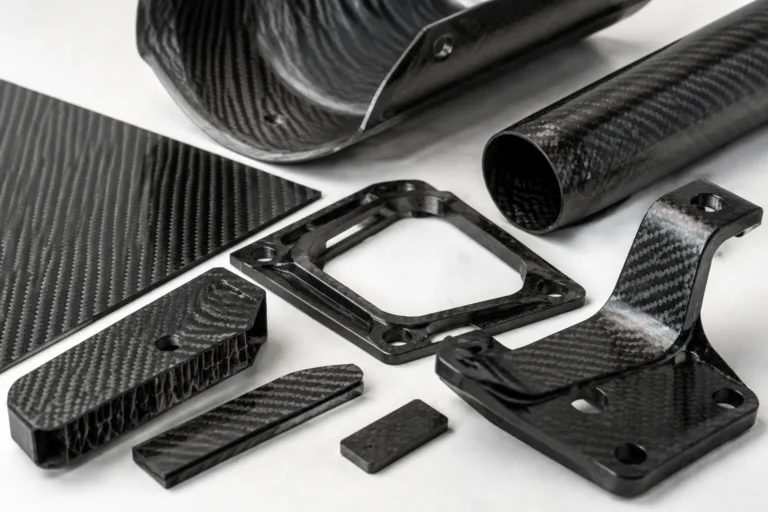
Realistic industrial product photo of several carbon fiber part types arranged for adhesive selection and bonding evaluation.

Carbon Fiber Adhesives by Application

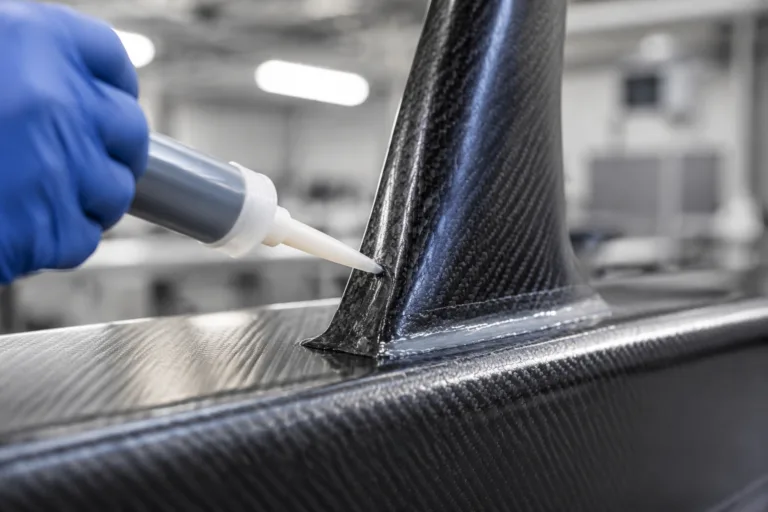
A realistic product-style close-up showing adhesive bonding between composite and carbon fiber structural components in a clean advanced manufacturing setting.

Carbon Fiber-to-Carbon Fiber Bonding Adhesives

Used to join carbon fiber composite parts into stable lightweight structures.
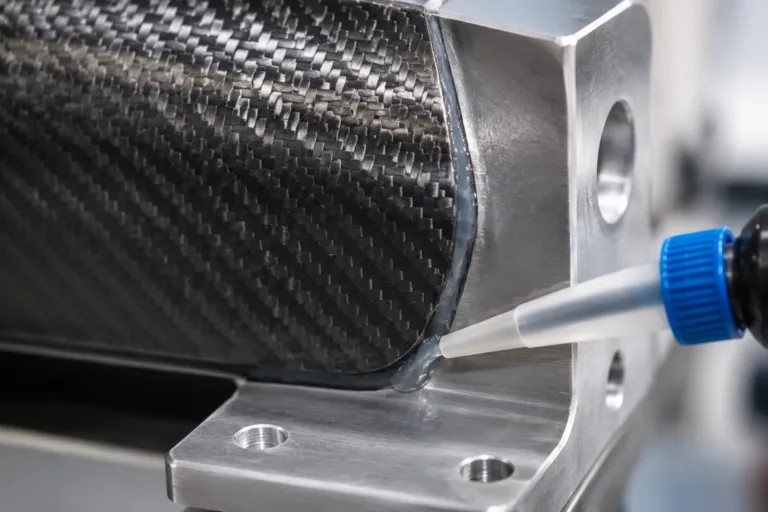
A realistic close-up product-style image showing adhesive joining a carbon fiber composite panel or tube to an aluminum or stainless steel bracket, emphasizing the hybrid structural bond and precision manufacturing details.

Carbon Fiber-to-Metal Bonding Adhesives

Used to connect carbon fiber parts with aluminum, stainless steel, or other metal components.
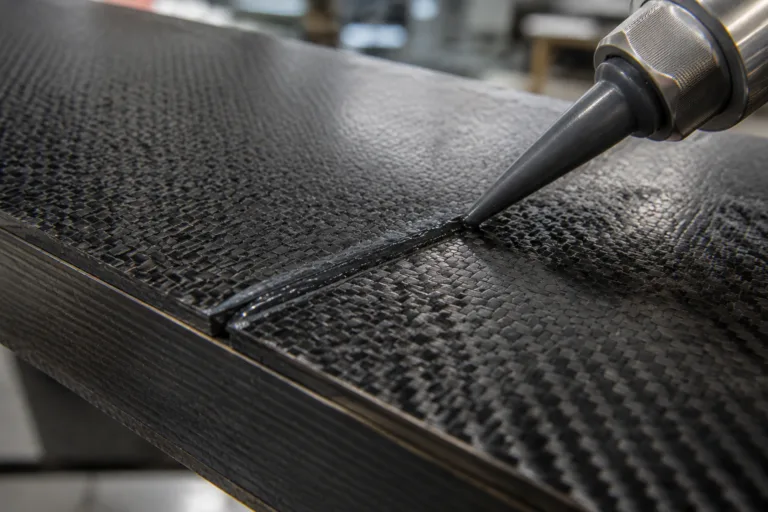
A realistic close-up industrial scene showing carbon fiber composite components being bonded with structural adhesive in a precise lightweight assembly process.

Carbon Fiber Panel and Frame Assembly Adhesives

Used to bond flat or shaped carbon fiber sections into product structures.
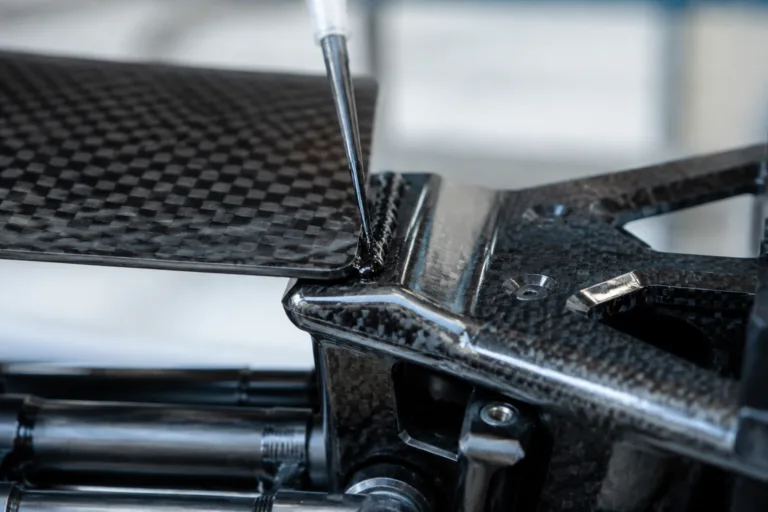
A realistic close-up product photo of structural adhesive application on a carbon fiber composite assembly, highlighting the precise bonding area and lightweight advanced equipment details.

Carbon Fiber Insert and Bracket Bonding Adhesives

Used to bond local metal inserts or connection points into carbon fiber structures.
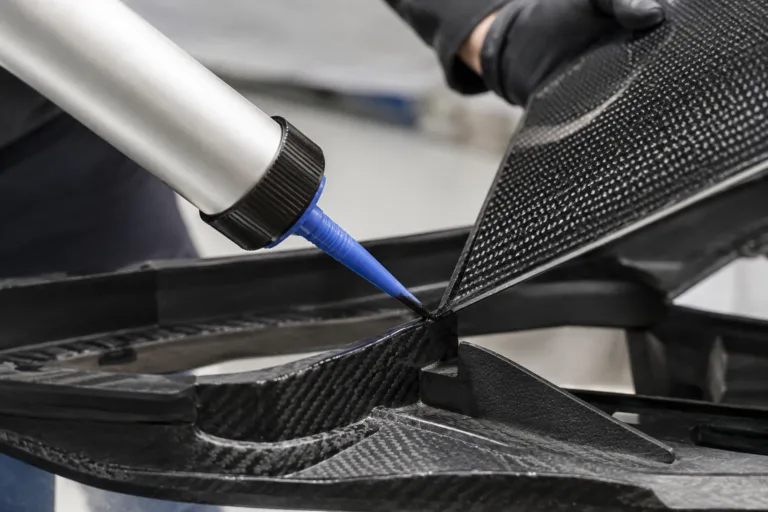
A realistic close-up industrial product image showing adhesive application during the assembly of a lightweight carbon fiber panel into a supporting frame or shell, with precise craftsmanship and clean manufacturing detail.

Carbon Fiber Repair and Reinforcement Adhesives

Used for selected local repair, patching, reinforcement, or restoration of damaged carbon fiber structures.
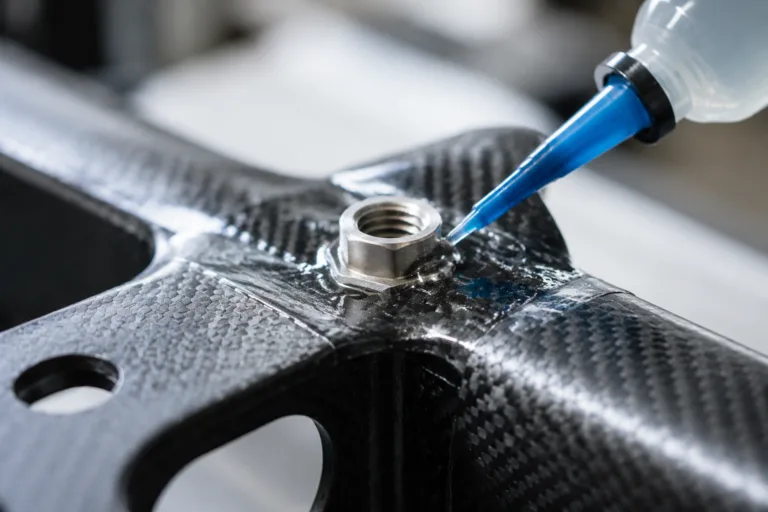
A realistic close-up of adhesive bonding a metal insert into a carbon fiber part, showing a precision engineered reinforced joint in an advanced composite assembly setting.

Visible Carbon Fiber Assembly Adhesives

Used where the bonded part has higher appearance requirements and the joint should remain clean and controlled.
ZDS Carbon Fiber Adhesive

ModelCategoryAppearanceViscosityCuringMore
ZDS-5013ABEpoxyMore
ZDS-2186ABAcrylicAmber liquid18000-30000 cps5-8 min @25ยฐCMore
ZDS-PA1600ABAcrylic8 min @25ยฐCMore
ZDS-703ABEpoxyMore
ZDS-5017ABAcrylicMore
ZDS-1346ABAcrylic5 min @25ยฐCMore
ZDS-4018ABUV1200-1800 cps10-30 s @365-405nmMore
ZDS-5014ABEpoxy24 h @25ยฐCMore
ZDS-1101ABEpoxy50000-80000 cps30 min @25ยฐCMore
ZDS-2109011AcrylicColorless to light yellow transparent liquid12000-35000 cps150-200mj (50W LED light 395nm)More
ZDS-2201061UVTransparent or yellowish liquid7 cps200 mJ @ 365/395nm LED lightMore
ZDS-2011031UVTranslucent liquid (thixotropic)10000-25000 cps880mj exposure (2KW medium pressure mercury lamp)More

Custom Carbon Fiber Adhesive Options

As a custom adhesive manufacturer, ZDS can adjust adhesive properties to match carbon fiber structures and demanding use conditions.

Customizable Properties Include:

  • Structural bonding strength
  • Toughness
  • Peel resistance
  • Fatigue resistance
  • Vibration resistance
  • Viscosity
  • Gap filling ability
  • Controlled flow
  • Non-sag behavior
  • Working time
  • Curing speed
  • Heat resistance
  • Moisture resistance
  • Chemical resistance
  • Compatibility with carbon fiber-to-metal structures
  • Appearance direction for visible parts
  • Packaging for manual or automated dispensing
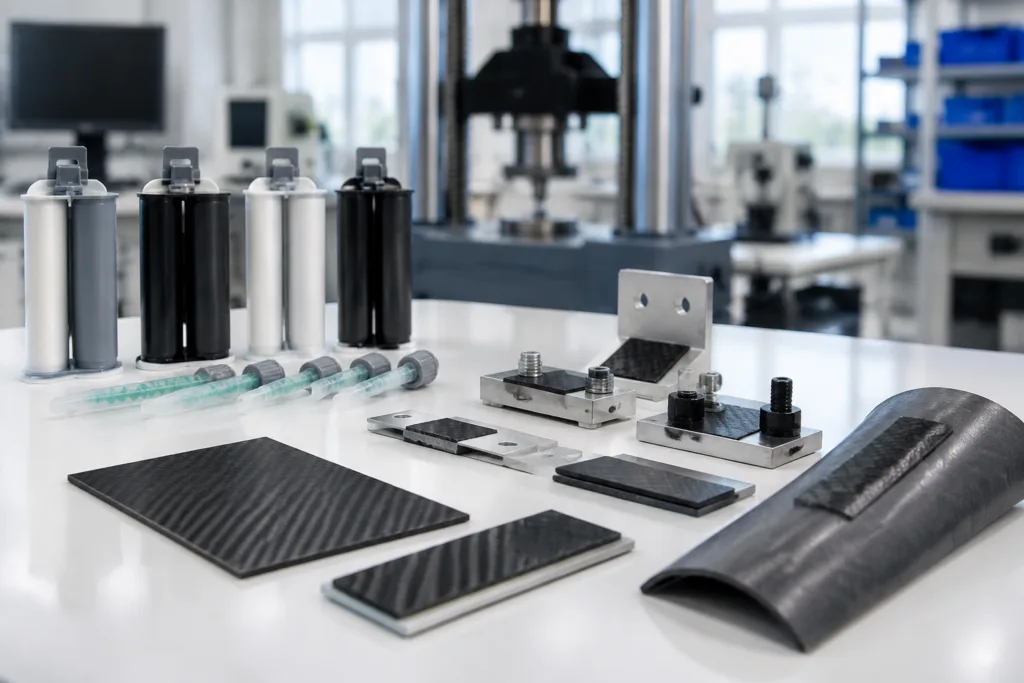
A realistic industrial laboratory setup showing custom carbon fiber adhesive formulation development on a clean workbench, featuring structural adhesive cartridges, mixing nozzles, carbon fiber coupons, carbon fiber-to-metal bonded samples, insert bonding specimens, and repair patch samples.

Choosing the Right Carbon Fiber Adhesive

Carbon fiber adhesive selection should be based on the actual structural role of the bond, not only the substrate name.
Realistic industrial product scene featuring multiple carbon fiber component types prepared for adhesive bonding assessment, with a clean technical presentation and detailed woven textures.

Carbon Fiber Part Type

Are you bonding a carbon fiber panel, tube, molded shell, bracket area, drone arm, sporting part, or local reinforcement zone?
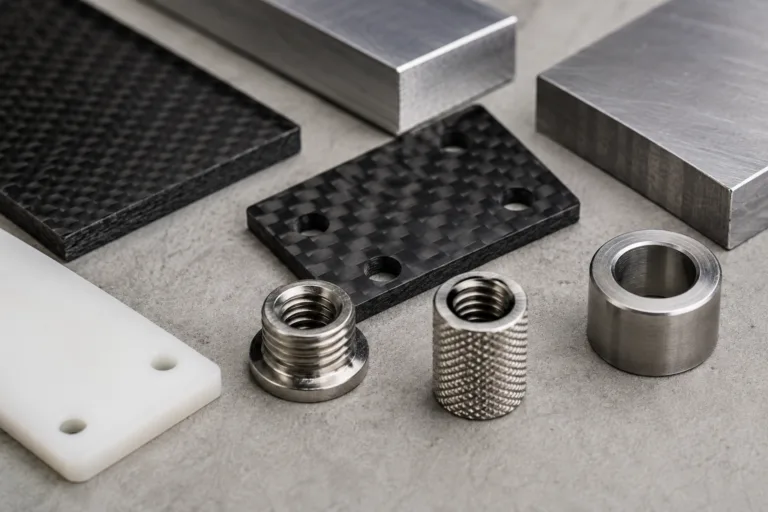
A clean, realistic close-up composition showing carbon fiber bonding partners including carbon fiber, aluminum, stainless steel, plastic, and precision metal inserts for adhesive selection and evaluation.

Bonding Partner

Is the carbon fiber bonded to another carbon fiber part, aluminum, steel, plastic, or a functional insert?
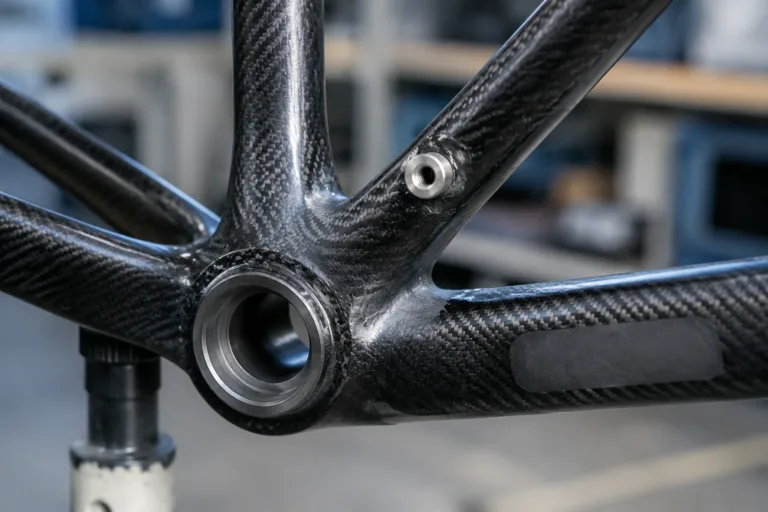
A realistic close-up engineering scene illustrating different adhesive bonding requirements for carbon fiber structures, including lightweight frame assembly, strong joints, insert fixation, and repair reinforcement.

Structural Requirement

Does the joint need light fixing, moderate assembly support, or higher-strength structural bonding?
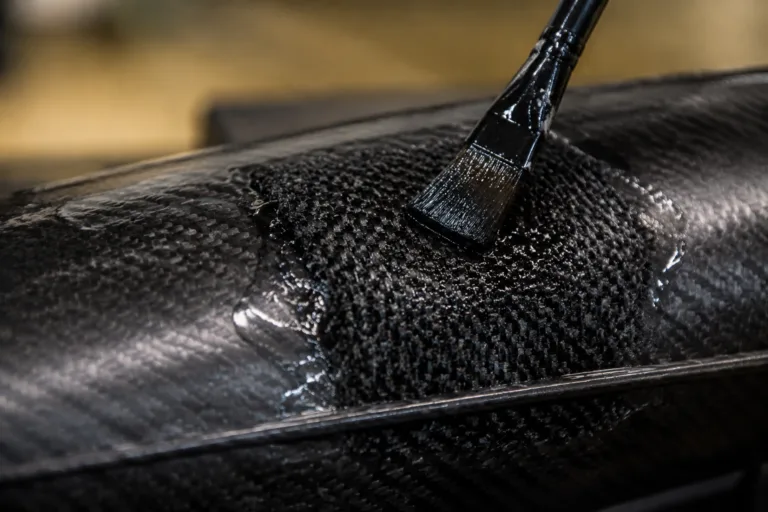
A realistic close-up scene showing carbon fiber repair adhesive applied to a localized patch for restoration and reinforcement, with detailed woven carbon fiber texture and a professional workshop setting.

Surface Preparation

Has the carbon fiber surface been cleaned and prepared to remove contaminants or release-agent residue before bonding?
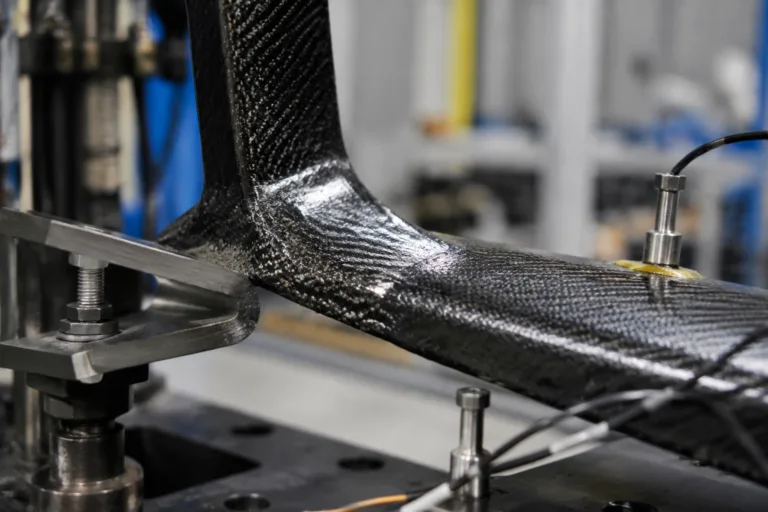
Professional industrial close-up illustrating carbon fiber adhesive performance under load and fatigue conditions, with bonded joints shown in a realistic test environment.

Load and Fatigue Conditions

Will the bonded part face bending, impact, vibration, repeated load, or long-term movement?
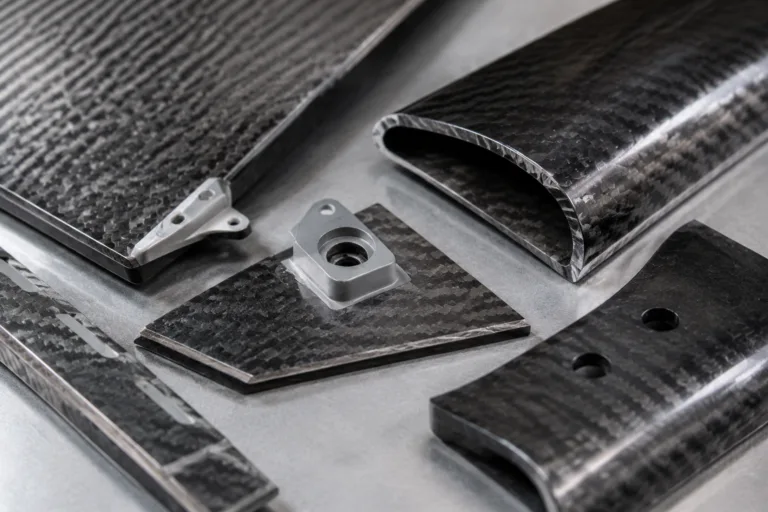
Professional close-up image of advanced composite manufacturing with narrow joints, insert areas, curved carbon fiber sections, edge joints, and prepared bonded surfaces for adhesive selection.

Joint Geometry

Is the adhesive applied in a narrow gap, larger joint area, insert zone, edge area, or curved composite section?
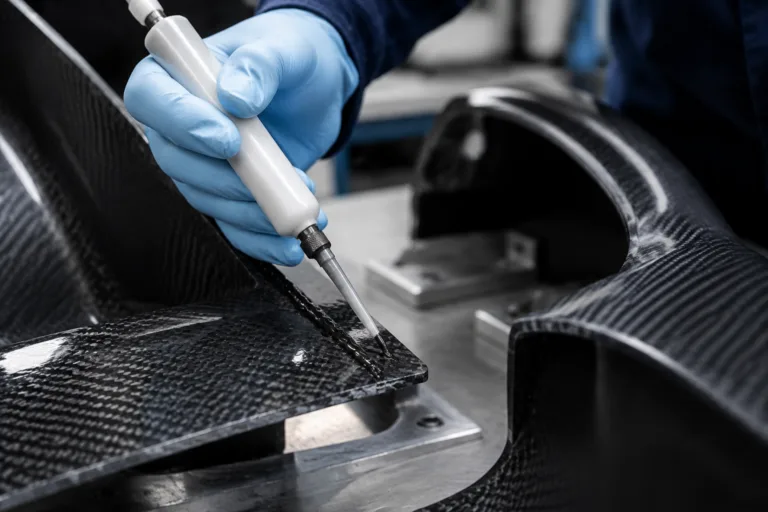
A realistic close-up industrial scene showing structural bonding of carbon fiber components with adhesive selection, controlled working time, and heat-assisted curing in a high-performance composite assembly setting.

Curing Method

Do you need room-temperature curing, heat curing, controlled pot life, or a process matched to your assembly line?
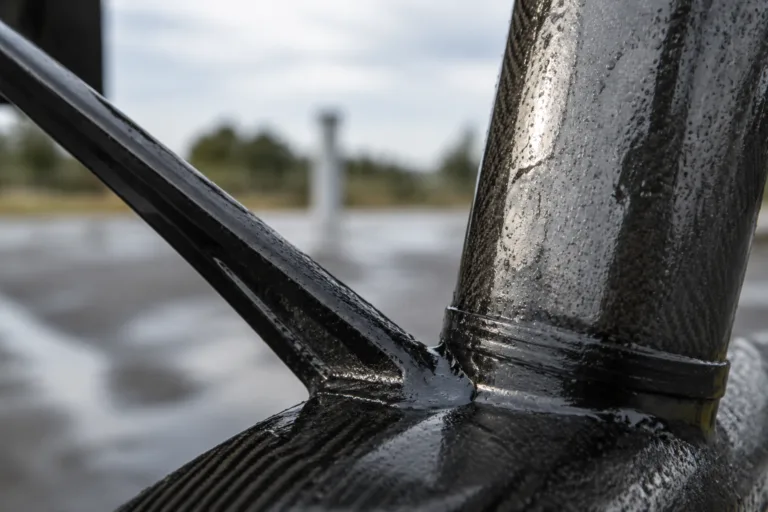
A clean, realistic industrial testing scene featuring bonded carbon fiber assemblies exposed to conditions that represent humidity, heat, oils, UV, and outdoor service, highlighting durability and reliability.

Service Environment

Will the product face humidity, heat, chemicals, oil, UV, or outdoor exposure?
Carbon Fiber Adhesive Types ZDS Can Support

Epoxy Carbon Fiber Adhesives

Good for high-strength bonding, carbon fiber-to-metal joints, reinforced structures, and durable industrial assemblies.

Acrylic Carbon Fiber Adhesives

Good for selected faster production processes and mixed-material carbon fiber assembly.

Polyurethane Carbon Fiber Adhesives

Good for applications that need more flexibility or stress accommodation between bonded materials.

Repair-Oriented Carbon Fiber Adhesives

Suitable for selected local patching, reinforcement, and carbon fiber part restoration needs.

Toughened Structural Carbon Fiber Adhesives

Good for improved impact resistance, peel resistance, and dynamic load performance.

The final choice depends on surface preparation, joint geometry, load requirement, bonded material, curing process, and service environment.

Common Carbon Fiber Bonding Problems ZDS Helps Solve

Carbon fiber adhesive failure often comes from the combination of rigid substrates, surface preparation issues, and dynamic service loads.

Weak Bonding from Poor Surface Preparation

Residual release agents, dust, or contamination can reduce adhesion.

Carbon Fiber-to-Metal Joint Stress

Different materials may respond differently to heat, vibration, or load.

Peel Failure at Edges or Inserts

High local stress can weaken joints if the adhesive lacks enough toughness.

Cracking Under Dynamic Load

Repeated bending or vibration may damage a poorly matched bond line.

Poor Gap Control

Irregular shapes or insert zones may require stable gap-filling behavior.

Appearance Issues on Visible Parts

Overflow, uneven adhesive lines, or poor edge control can affect premium carbon fiber products.

ZDS helps customers reduce these risks through carbon fiber-specific adhesive selection, structural performance balancing, viscosity control, curing process matching, and custom formulation support.

Industries That Use Carbon Fiber Adhesives

ZDS carbon fiber adhesive solutions support industries that need lightweight, strong, and high-performance bonded structures.

Common Industries Include:

  • Drones and UAV components
  • Automotive lightweight parts
  • Robotics
  • Sports equipment
  • Industrial machinery
  • Transportation components
  • Premium consumer products
  • Structural composite assemblies
  • Mobility equipment
  • Precision hardware
  • Lightweight enclosures
  • Advanced manufacturing projects
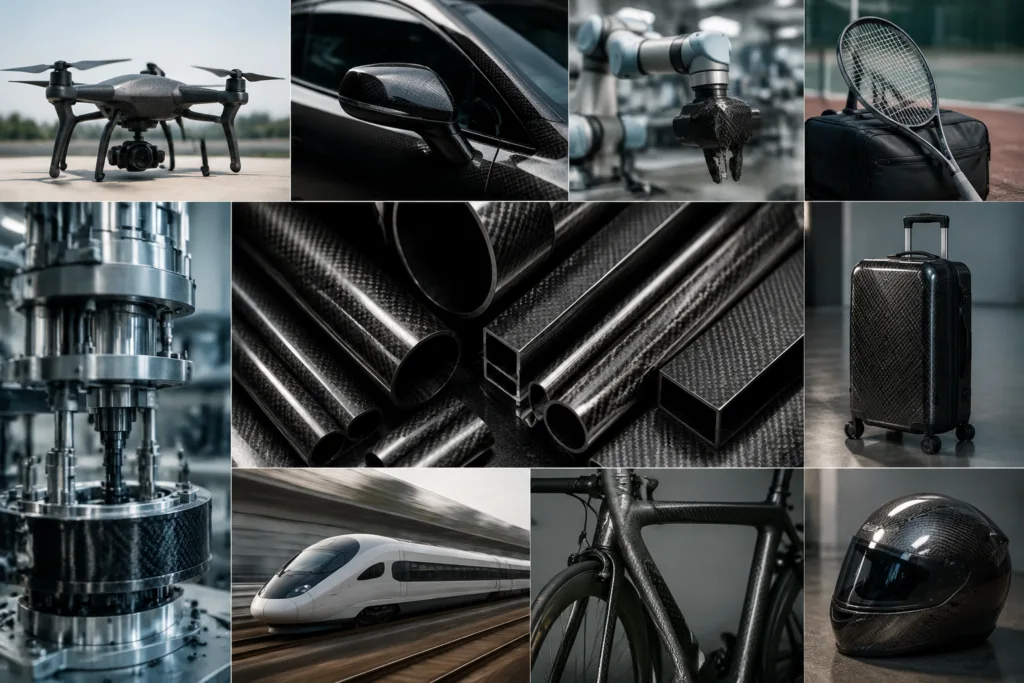
A realistic, clean collage composition presenting carbon fiber adhesive applications across advanced industries, including drones, lightweight vehicles, robotics, sports gear, machinery, premium products, transportation components, and composite structures.
Carbon fiber bonding is widely associated with advanced lightweight industries such as transportation, composite manufacturing, and high-performance equipment.

Quality and Testing Considerations

For carbon fiber adhesives, testing should reflect both bond strength and long-term structural behavior.

Adhesion Strength Review

Checks bonding performance on prepared carbon fiber surfaces and the paired substrate.

Peel and Fatigue Resistance Test

Useful for dynamic or vibration-prone parts.

Gap Filling and Bond Line Review

Checks consistency around inserts, edges, and complex geometries.

Production Trial

Confirms dispensing, working time, cure process, handling, and assembly stability.

Carbon Fiber-to-Metal Compatibility Test

Important for hybrid lightweight structures.

Surface Preparation Validation

Confirms whether cleaning or pretreatment affects bond performance.

Heat and Environmental Aging Test

Evaluates long-term durability under real service conditions.

Need a Carbon Fiber Adhesive for Your Product?

Tell ZDS what carbon fiber part you need to bond, what it connects with, and what load or appearance requirements matter most. Our team can help recommend a suitable carbon fiber adhesive or discuss a custom formula.

FAQ

What is a carbon fiber adhesive?
A carbon fiber adhesive is used to bond, reinforce, repair, or assemble carbon fiber composite parts and carbon fiber joined with metals, plastics, or other substrates.
It is used for carbon fiber-to-carbon fiber bonding, carbon fiber-to-metal joining, lightweight frame assembly, inserts and bracket bonding, repair, reinforcement, and premium composite part assembly.
The best adhesive depends on the structure, surface preparation, second substrate, load requirement, curing process, and service environment. Epoxy structural systems are widely used in carbon fiber and carbon fiber-to-metal bonding applications.
Yes. Carbon fiber-to-aluminum bonding is an established mixed-material joining use case, but surface preparation and adhesive selection are important.
Yes. ZDS can customize adhesive properties such as bonding strength, toughness, peel resistance, viscosity, curing speed, environmental resistance, and packaging.
Yes. Removing contaminants and preparing the bonding surface can significantly affect bond reliability.
ZDS LTD ยท Adhesive Manufacturer

Get the Right Adhesive Recommendation

Not sure which adhesive fits your material, process, or performance needs?
Share a few project details, and our team will suggest a suitable ZDS product or custom formulation.