
Composite Adhesive Manufacturer

Custom adhesive solutions for fiberglass, carbon fiber, sandwich panels, composite-to-metal bonding, lightweight structures, and high-performance industrial assemblies.

Composite adhesives are used to bond engineered materials such as fiberglass-reinforced plastics, carbon fiber composites, honeycomb panels, sandwich structures, and composite parts joined with metals or other substrates.
As an adhesive manufacturer, ZDS develops and supplies custom composite adhesive solutions for transportation parts, industrial equipment, drones, marine components, sports equipment, lightweight structural panels, and advanced manufacturing projects.

Get Best Solution

Composite Adhesive Solutions for Lightweight Structural Assembly

Composite materials are chosen because they can reduce weight while maintaining strength, stiffness, and design freedom. However, their layered structure and mixed material composition also make bonding more demanding than ordinary surface assembly.

A suitable composite adhesive should support:

  • Strong substrate wetting
  • Stress distribution
  • Peel and fatigue resistance
  • Vibration tolerance
  • Mixed-material bonding
  • Stable performance under service conditions
Composite bonding systems are widely used for materials such as GRP, carbon fiber, and sandwich panels in applications that must handle load, vibration, and thermal movement.

What Are Composite Adhesives Used For?

Composite adhesives are used to join, reinforce, repair, or assemble composite materials in lightweight structures.

Common Uses Include:

  • Fiberglass bonding
  • Carbon fiber bonding
  • Composite-to-metal bonding
  • Sandwich panel bonding
  • Honeycomb structure assembly
  • Lightweight frame assembly
  • Composite panel joining
  • Reinforcement bonding
  • Composite part repair
  • Structural insert bonding
  • Transportation component assembly
  • Marine and outdoor composite structures
  • Drone and equipment part bonding
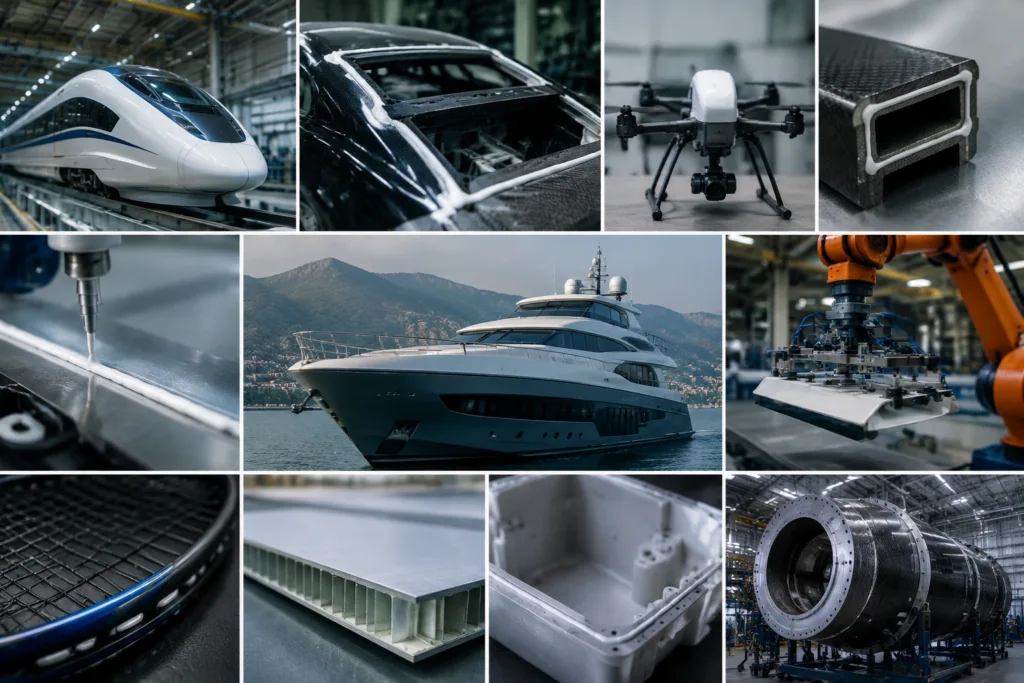
A realistic collage of advanced industrial applications for composite adhesives, featuring transportation, automotive, marine, drone, machinery, sports, and structural composite components in a clean professional layout.

Composite Adhesives by Application

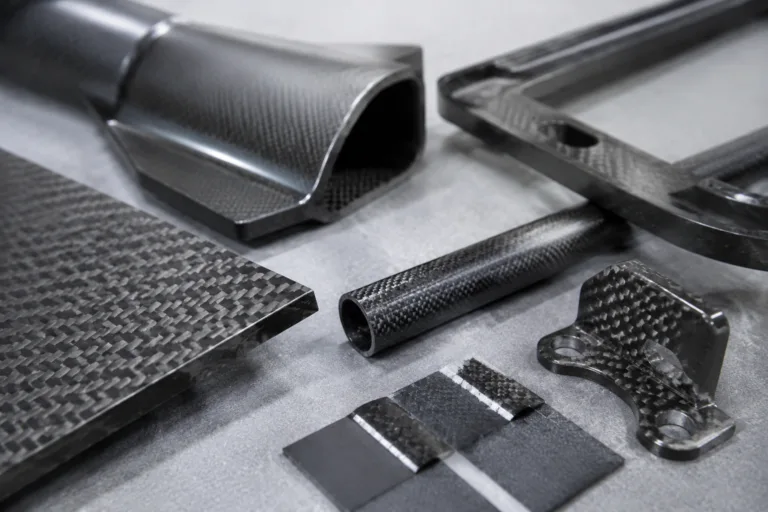
Realistic industrial product photo of several carbon fiber part types arranged for adhesive selection and bonding evaluation.

Fiberglass Composite Adhesives

Used to bond glass-fiber-reinforced plastic parts and related composite structures.
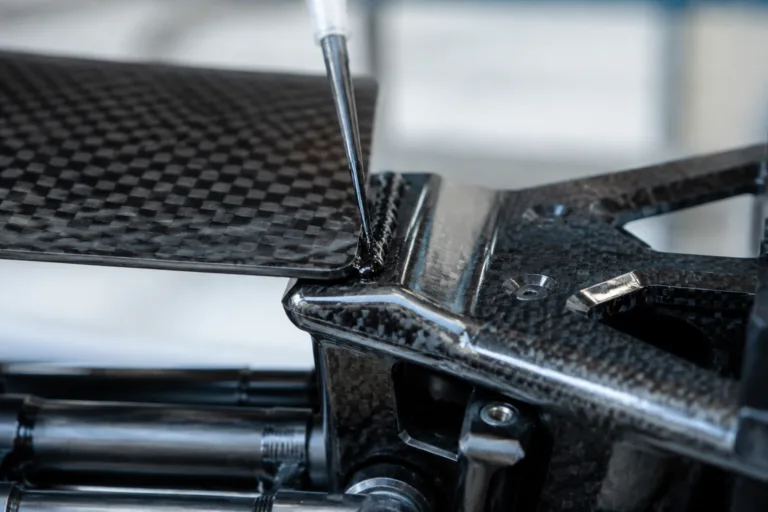
A realistic close-up product photo of structural adhesive application on a carbon fiber composite assembly, highlighting the precise bonding area and lightweight advanced equipment details.

Carbon Fiber Composite Adhesives

Used where lightweight, high-strength parts require durable bonding and clean load transfer.
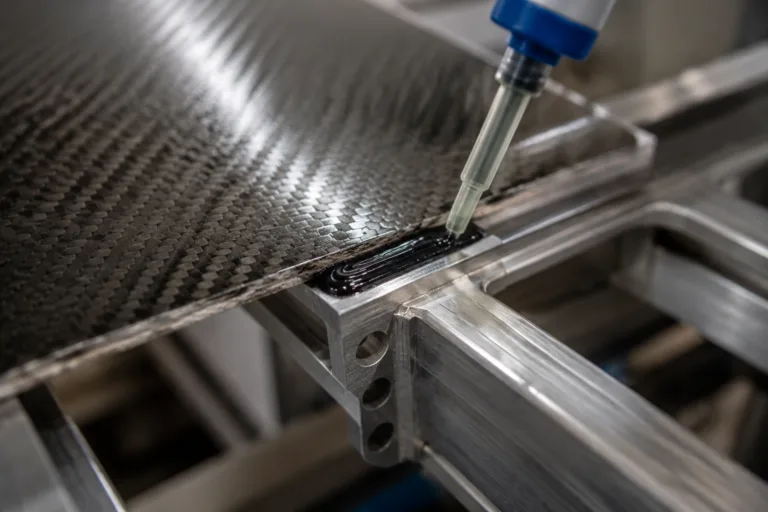
A realistic close-up industrial scene showing adhesive application at a hybrid structural joint where a carbon fiber or fiberglass composite is bonded to an aluminum or steel frame, with professional product photography detail.

Composite-to-Metal Bonding Adhesives

Used when composite parts need to connect with metal brackets, frames, inserts, or load-bearing support points.
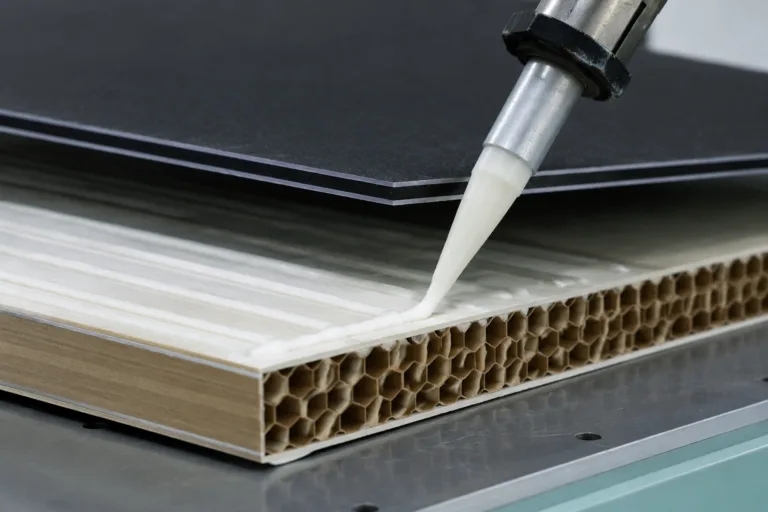
Realistic close-up product photography of sandwich panel assembly showing adhesive bonding between composite face sheets and a lightweight core structure, with visible layered construction for industrial or transportation panel manufacturing.

Sandwich Panel Bonding Adhesives

Used to assemble face sheets and core materials into stable lightweight panels.
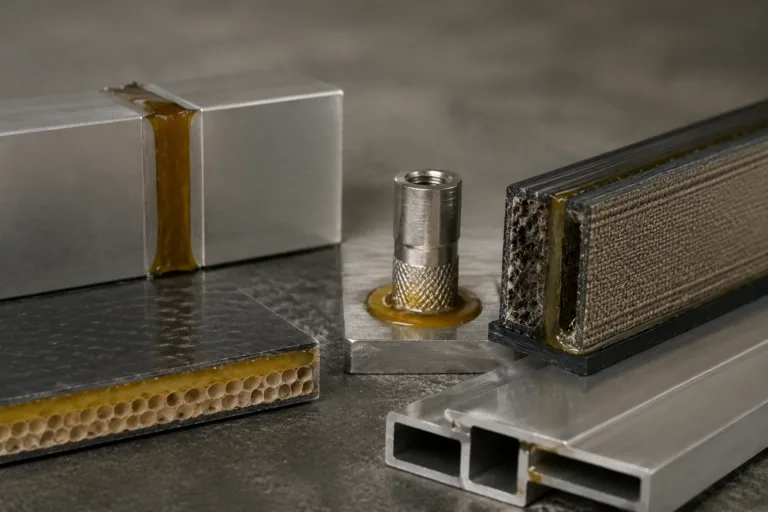
A professional product photography style close-up depicting structural adhesive applications in composite assembly, including load-bearing panel joints, insert fixation, reinforcement bonding, and lightweight frame construction.

Composite Insert and Bracket Bonding Adhesives

Used to bond inserts, fittings, mounts, and connection points into composite parts.
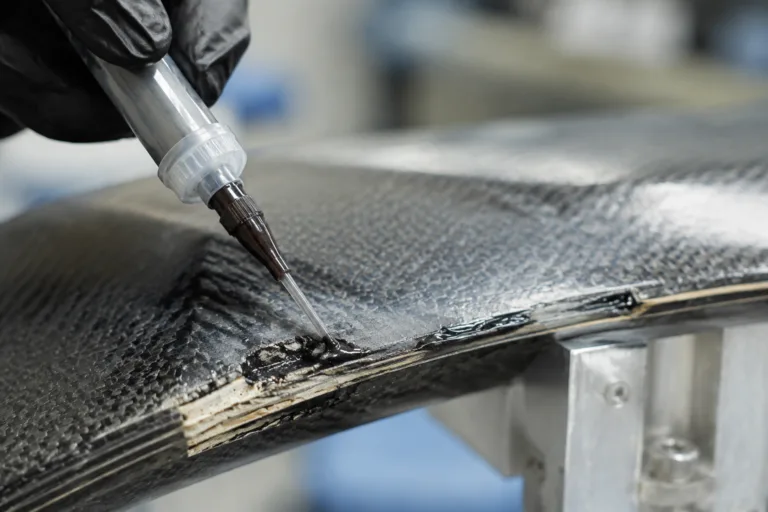
A realistic close-up scene showing composite repair adhesive applied to a damaged edge and weak area for technical restoration.

Composite Repair and Reinforcement Adhesives

Used where damaged or weak composite zones require bonding support, patching, or additional reinforcement.
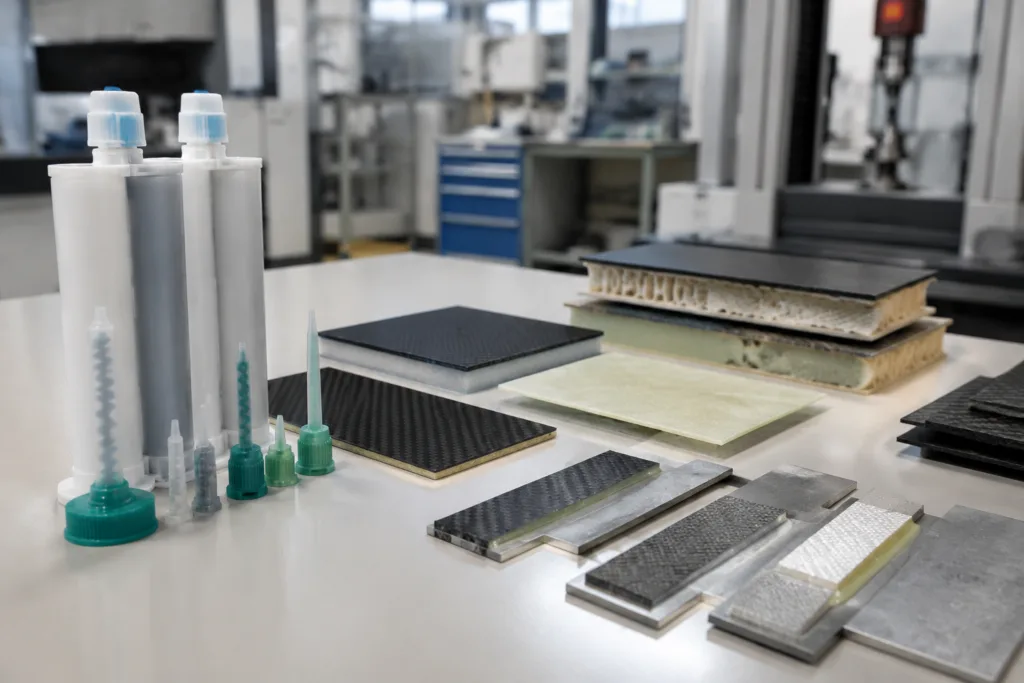
ZDS Composite Adhesive

ModelCategoryAppearanceViscosityCuringMore
ZDS-5013ABEpoxyMore
ZDS-2186ABAcrylicAmber liquid18000-30000 cps5-8 min @25ยฐCMore
ZDS-PA1600ABAcrylic8 min @25ยฐCMore
ZDS-703ABEpoxyMore
ZDS-5017ABAcrylicMore
ZDS-1346ABAcrylic5 min @25ยฐCMore
ZDS-4018ABUV1200-1800 cps10-30 s @365-405nmMore
ZDS-5014ABEpoxy24 h @25ยฐCMore
ZDS-1101ABEpoxy50000-80000 cps30 min @25ยฐCMore
ZDS-2109011AcrylicColorless to light yellow transparent liquid12000-35000 cps150-200mj (50W LED light 395nm)More
ZDS-2201061UVTransparent or yellowish liquid7 cps200 mJ @ 365/395nm LED lightMore
ZDS-2011031UVTranslucent liquid (thixotropic)10000-25000 cps880mj exposure (2KW medium pressure mercury lamp)More

Custom Composite Adhesive Options

As a custom adhesive manufacturer, ZDS can adjust composite adhesive properties to match lightweight structures, production processes, and final performance goals.

Customizable Properties Include:

  • Bonding strength
  • Peel resistance
  • Fatigue resistance
  • Toughness
  • Flexibility or controlled rigidity
  • Viscosity
  • Gap filling ability
  • Non-sag behavior
  • Working time
  • Curing speed
  • Heat resistance
  • Moisture resistance
  • Chemical resistance
  • Vibration resistance
  • Impact resistance
  • Compatibility with mixed-material structures
  • Packaging for manual or automated dispensing
A realistic technical laboratory setup showing custom composite adhesive formulation development on a clean workbench, with materials and bonded samples arranged for evaluation in an industrial R&D setting.

Choosing the Right Composite Adhesive

Composite adhesive selection should begin with the structure, not only the material name. A carbon fiber panel, fiberglass cover, and sandwich panel may require very different adhesive behavior.
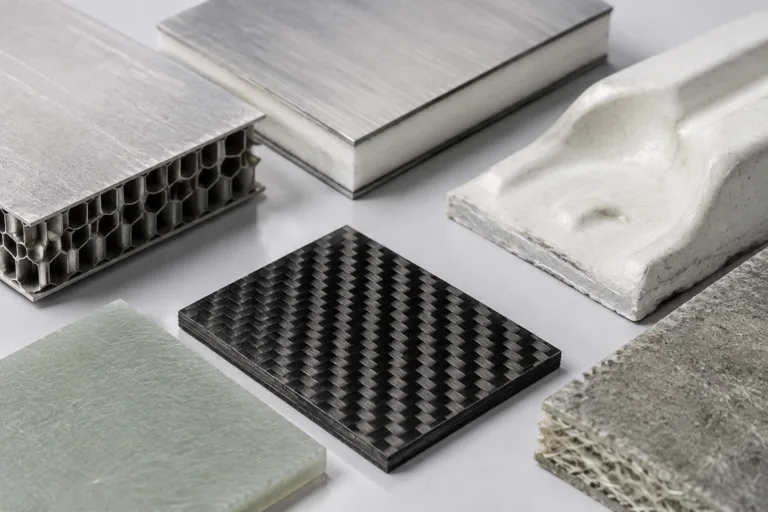
A realistic close-up product-style scene showing multiple composite material samples used for adhesive selection and bonding tests in a clean technical industrial setting.

Composite Type

Are you bonding fiberglass, carbon fiber, SMC, honeycomb panel, sandwich structure, or another reinforced composite?
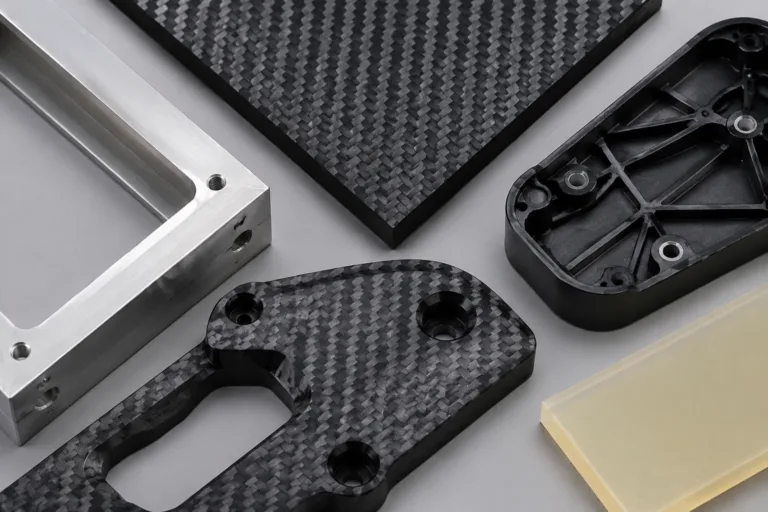
A clean technical product image showing composite bonding partner materials, including metal frames, plastic components, and other composite surfaces, arranged for adhesive selection testing.

Bonding Partner

Is the composite bonded to another composite, a metal frame, plastic, wood, or structural insert?
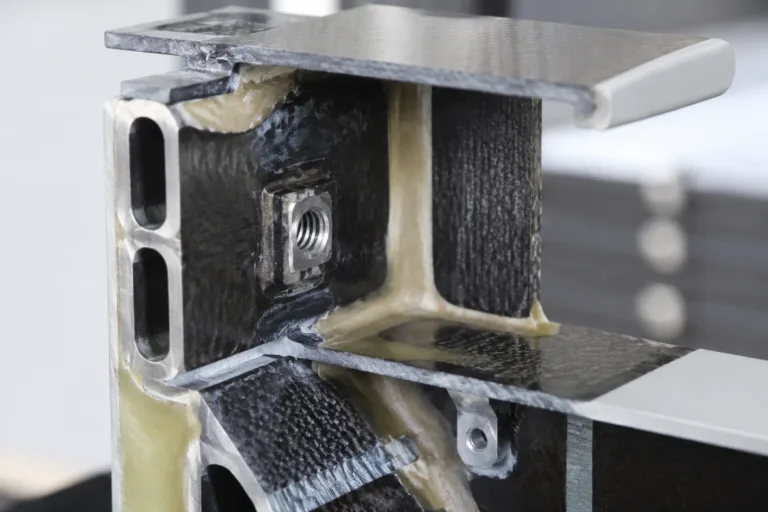
A realistic professional product photography scene illustrating composite adhesive functions in a structural panel joint, including insert fixation, reinforcement bonding, and lightweight frame assembly.

Structural Role

Is the adhesive used for load transfer, panel assembly, insert fixing, local reinforcement, or light component attachment?
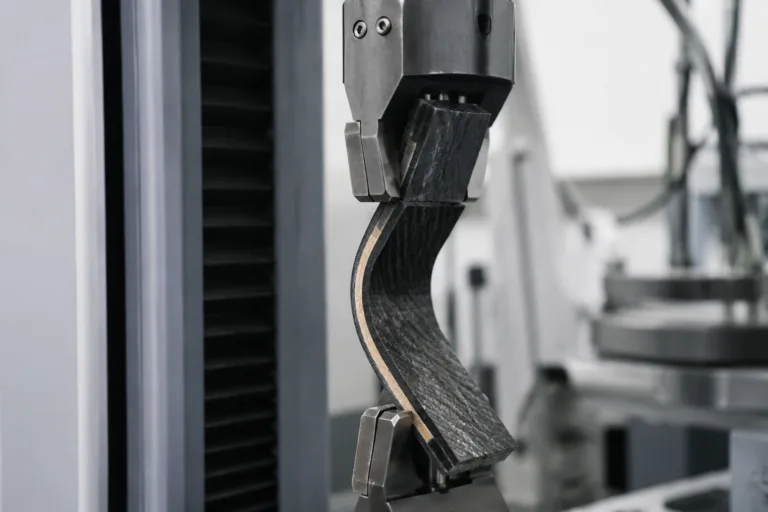
Professional industrial close-up showing composite adhesive joints undergoing controlled peel and fatigue testing to demonstrate durable lightweight structure performance.

Peel and Fatigue Resistance

Will the joint face repeated stress, vibration, bending, or impact during service?
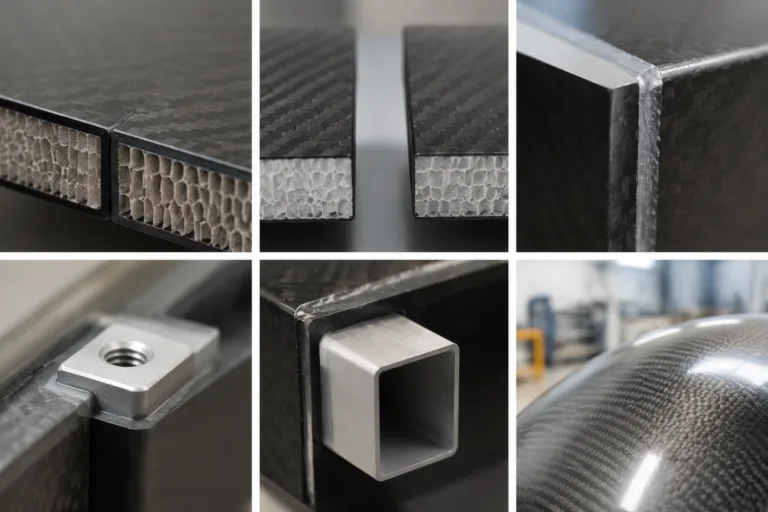
A realistic professional product photography scene illustrating composite adhesive selection across thin bond lines, wider gaps, edge joints, insert joints, and curved surfaces.

Gap and Joint Design

Is the bond line thin, uneven, wide, vertical, or used around an insert or edge region?
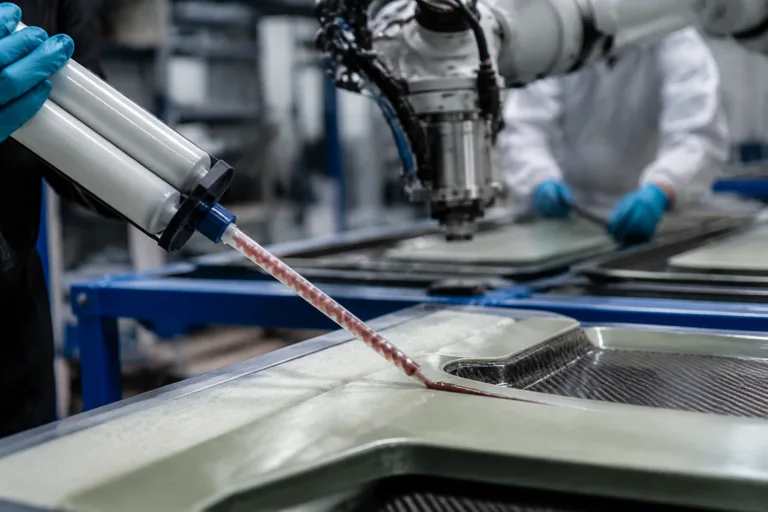
A realistic advanced manufacturing scene showing composite adhesive selection and application, with a dispensing cartridge, static mixing nozzle, robotic application, and panel assembly workflow.

Production Method

Will the adhesive be applied manually, by cartridge, mixer, robotic dispensing, or panel lamination process?
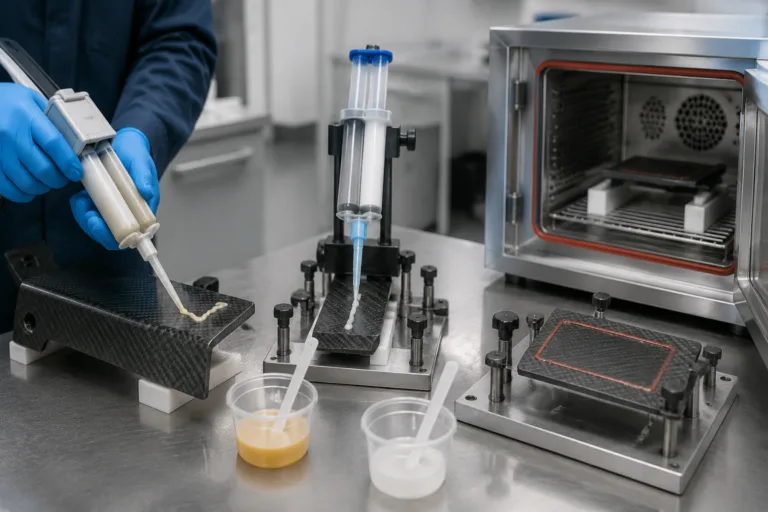
A realistic technical manufacturing scene depicting composite adhesive selection and curing methods for structural bonding applications, with room-temperature curing, controlled pot life, and heat-assisted curing represented in a professional industrial setting.

Curing Method

Do you need room-temperature curing, heat curing, controlled pot life, or faster assembly throughput?
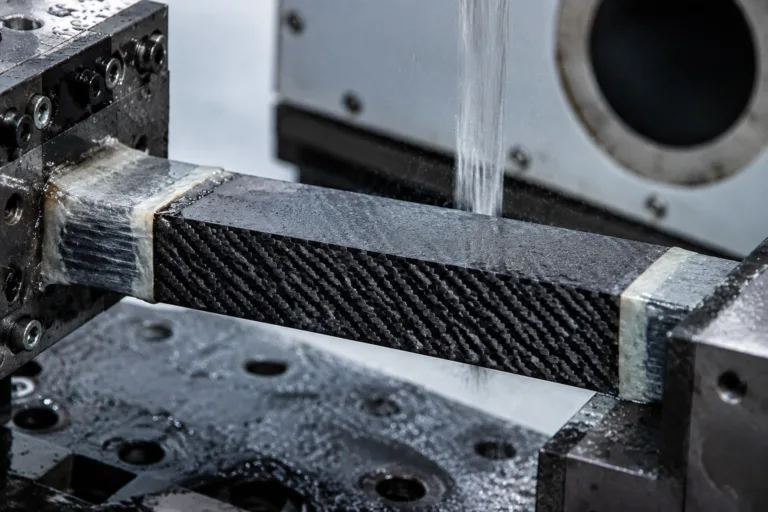
A realistic close-up scene showing composite bonded structures in a clean industrial testing environment, illustrating service conditions such as vibration, humidity, oils, chemicals, and thermal movement for long-term durability assessment.

Service Environment

Will the final structure face humidity, heat, chemicals, oils, outdoor exposure, or dynamic load?
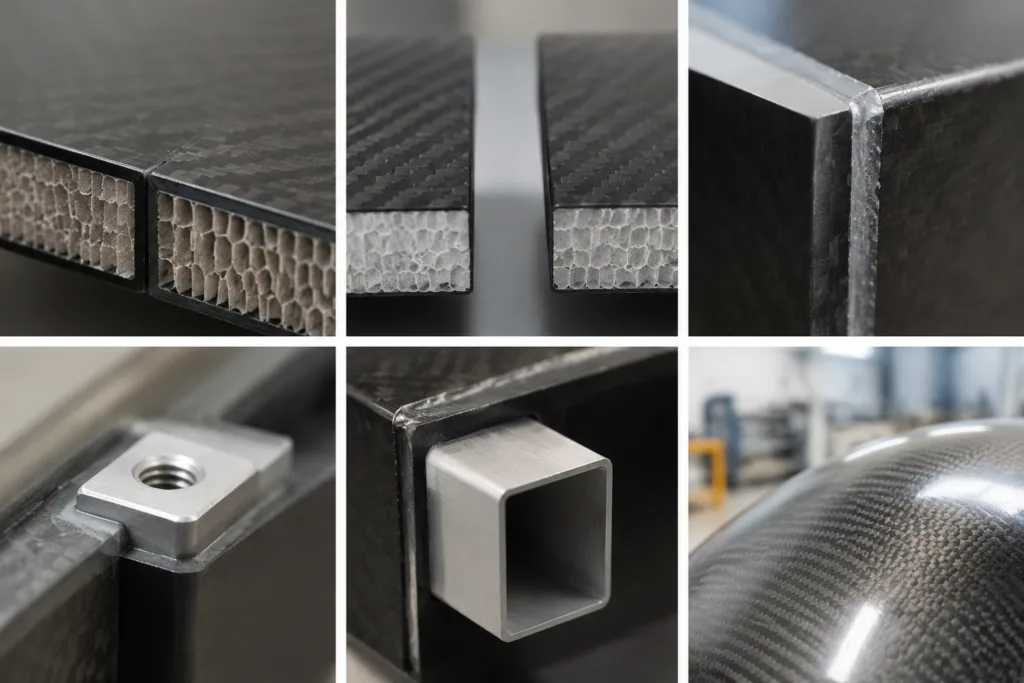
Composite Adhesive Types ZDS Can Support

Epoxy Composite Adhesives

Good for structural bonding, high strength, fatigue resistance, and composite-to-metal assemblies.

Acrylic Composite Adhesives

Good for faster processing, mixed-material bonding, and applications that require strong adhesion with production efficiency.

Polyurethane Composite Adhesives

Good for more flexible joints, vibration tolerance, and composite structures that need movement accommodation.

Toughened Structural Adhesives

Good for assemblies that require better impact resistance, peel strength, and durability under dynamic load.

Composite Panel Bonding Adhesives

Suitable for sandwich structures, lightweight panels, and reinforced multi-layer assemblies.

The final choice depends on composite type, joint geometry, curing process, load requirement, and service environment. Industrial composite bonding suppliers commonly use epoxy, acrylic, and other structural adhesive systems to address these needs.

Common Composite Bonding Problems ZDS Helps Solve

Composite adhesive failures often come from poor joint design, unsuitable adhesive toughness, or mismatch between materials.

Delamination Near the Bond Area

The adhesive may not distribute stress well enough across layered composite structures.

Weak Composite-to-Metal Joints

Different material stiffness and thermal movement can increase stress in the bond line.

Peel Failure

The adhesive may have good shear strength but poor resistance to edge lifting or local separation.

Fatigue Under Repeated Load

Transportation, drone, and machinery parts may see continuous vibration or cyclic stress.

Poor Gap Filling

Complex composite geometries often require controlled adhesive body and stable thickness.

Slow Assembly or Short Working Window

The chosen adhesive may not fit the desired production speed or positioning process.

ZDS helps customers reduce these risks through composite-specific adhesive selection, joint-performance balancing, curing process matching, and custom formulation support.

Industries That Use Composite Adhesives

ZDS composite adhesive solutions support industries that rely on lightweight and reinforced structures.

Common Industries Include:

  • Transportation equipment
  • Automotive components
  • Marine parts
  • Drone and UAV structures
  • Industrial machinery
  • Sports equipment
  • Lightweight panels
  • Electrical enclosures
  • Renewable energy-related assemblies
  • Composite housings
  • Aerospace-adjacent industrial manufacturing
  • Structural decorative products
A realistic professional product photography scene illustrating composite adhesive selection across thin bond lines, wider gaps, edge joints, insert joints, and curved surfaces.
Composite manufacturers and adhesive suppliers commonly position composite bonding for transportation, industrial, marine, aerospace-related, and lightweight structural applications.

Quality and Testing Considerations

For composite adhesives, testing should review not only static bond strength but also structural durability.

Lap Shear Strength Review

Checks basic joint strength under controlled loading.

Fatigue or Dynamic Load Review

Important for vibration-prone or moving structures.

Gap Filling and Joint Consistency Review

Confirms whether the adhesive matches actual part geometry.

Production Trial

Confirms pot life, dispensing, curing, handling, and practical assembly fit.

Peel Resistance Test

Evaluates edge lift resistance and local joint durability.

Composite-to-Metal Compatibility Check

Useful for hybrid lightweight assemblies.

Thermal and Moisture Aging Test

Checks long-term durability under changing service conditions.

Need a Composite Adhesive for Your Product?

Tell ZDS what composite structure you use, what it bonds with, and what load or environment the finished assembly will face. Our team can help recommend a suitable composite adhesive or discuss a custom formula.

FAQ

What is a composite adhesive?
A composite adhesive is used to bond reinforced materials such as fiberglass, carbon fiber, sandwich panels, and other engineered composite structures.
It is used for fiberglass bonding, carbon fiber bonding, sandwich panel assembly, composite-to-metal bonding, insert bonding, lightweight structure assembly, and composite repair.
The best adhesive depends on composite type, bonding partner, joint design, load requirement, curing process, and service environment. Epoxy, acrylic, polyurethane, and toughened structural systems may be suitable.
Yes. Composite-to-metal bonding, including carbon fiber bonded to metals, is a recognized industrial use case.
Yes. ZDS can customize composite adhesive properties such as strength, toughness, peel resistance, fatigue resistance, viscosity, curing speed, and packaging.
Yes. Structural adhesive systems are widely used in lightweight composite assemblies where load transfer, durability, and mixed-material joining matter.
ZDS LTD ยท Adhesive Manufacturer

Get the Right Adhesive Recommendation

Not sure which adhesive fits your material, process, or performance needs?
Share a few project details, and our team will suggest a suitable ZDS product or custom formulation.