
Fabric Adhesive Manufacturer

Custom adhesive solutions for textile bonding, soft material assembly, flexible lamination, fabric-to-foam structures, and industrial fabric applications.

Fabric adhesives are used to bond textile materials with other fabrics, foams, films, plastics, and soft substrates while helping preserve flexibility, comfort, and product appearance.
As an adhesive manufacturer, ZDS develops and supplies custom fabric adhesive solutions for textile products, automotive interiors, sportswear-related materials, foam composites, protective pads, industrial fabrics, and soft product manufacturing.

Get Best Solution

Fabric Adhesive Solutions for Soft and Flexible Materials

Fabric bonding is different from bonding rigid parts. A suitable adhesive should not only create adhesion. It should also match the softness, bending behavior, drape, thickness, and end-use expectations of the textile structure.

Depending on the project, a fabric adhesive may need to support:

  • Flexible movement
  • Soft hand feel
  • Layer stability
  • Wash or handling durability
  • Breathability or low stiffness
  • Bonding between dissimilar soft materials
Industrial textile adhesive suppliers often separate solutions by needs such as textile-to-textile bonding, breathable adhesives, stretch-and-recovery structures, seam reinforcement, and bonding of dissimilar substrates.

What Are Fabric Adhesives Used For?

Fabric adhesives are used to join, laminate, reinforce, or assemble soft and flexible materials.

Common Uses Include:

  • Fabric-to-fabric bonding
  • Fabric-to-foam bonding
  • Fabric-to-plastic bonding
  • Fabric-to-film bonding
  • Textile lamination
  • Soft backing attachment
  • Cushioning material assembly
  • Interior trim material bonding
  • Seam reinforcement
  • Edge fixation
  • Protective pad assembly
  • Flexible industrial fabric structures
  • Decorative textile composites
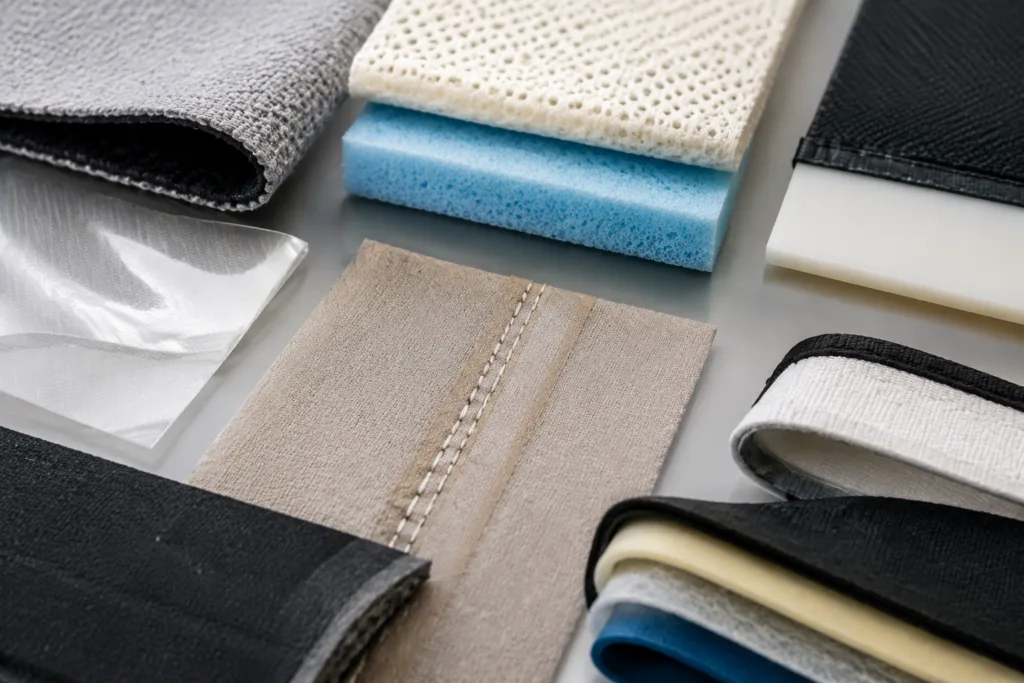
A clean, realistic industrial product photography scene demonstrating fabric adhesive applications including textile-to-textile, textile-to-foam, textile-to-plastic, textile-to-film bonding, seam reinforcement, edge fixation, and layered composite assembly.

Fabric Adhesives by Application

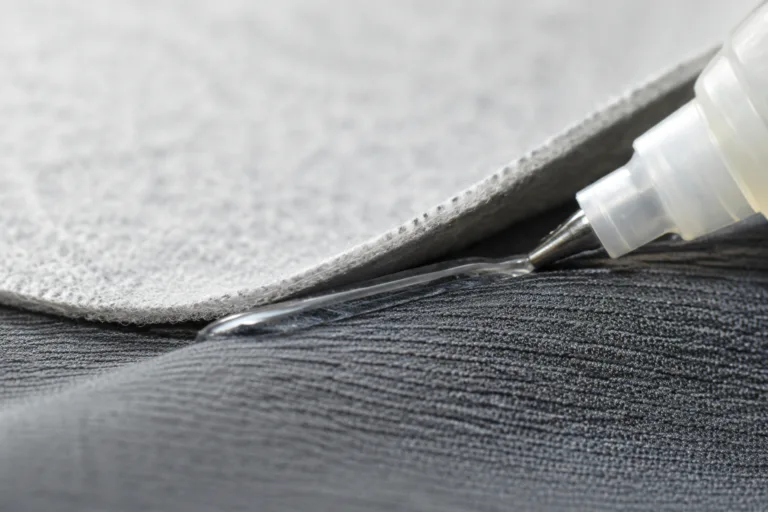
Professional industrial product close-up showing fabric-to-fabric bonding with realistic woven and knitted textile textures, clean adhesive application, and soft flexible material behavior.

Fabric-to-Fabric Bonding Adhesives

Used to join textile layers while keeping the finished structure flexible and comfortable.
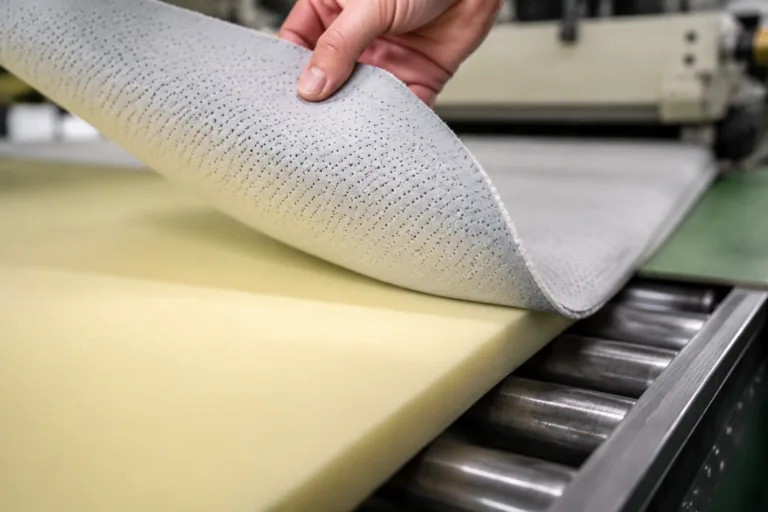
A realistic close-up product photography scene showing fabric being laminated onto foam with adhesive in a padded material manufacturing process.

Fabric-to-Foam Bonding Adhesives

Used in soft composite structures where fabric is bonded to foam for cushioning, support, or surface finish.
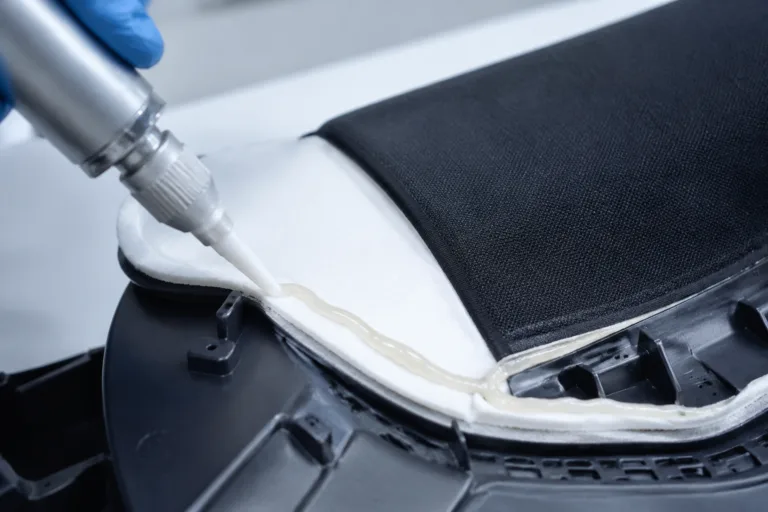
A realistic close-up product photo of fabric being bonded to a molded plastic component with adhesive in a clean mixed-material manufacturing setup.

Fabric-to-Plastic Bonding Adhesives

Used when soft textile surfaces must bond to molded plastic, flexible plastic film, or shaped plastic components.
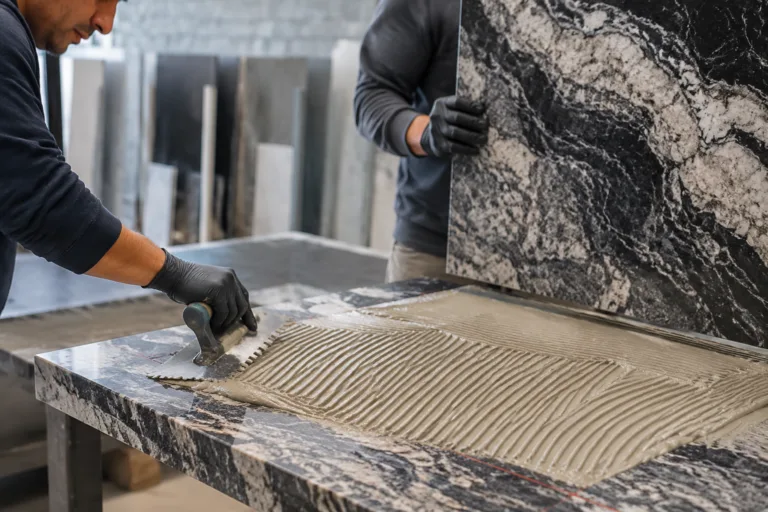
A realistic close-up fabrication scene showing adhesive application on a flat stone workbench and an upright decorative stone panel, highlighting precise placement and controlled angle during assembly.

Fabric-to-Film Bonding Adhesives

Used to bond textiles with films that add surface protection, functional layers, or performance properties.
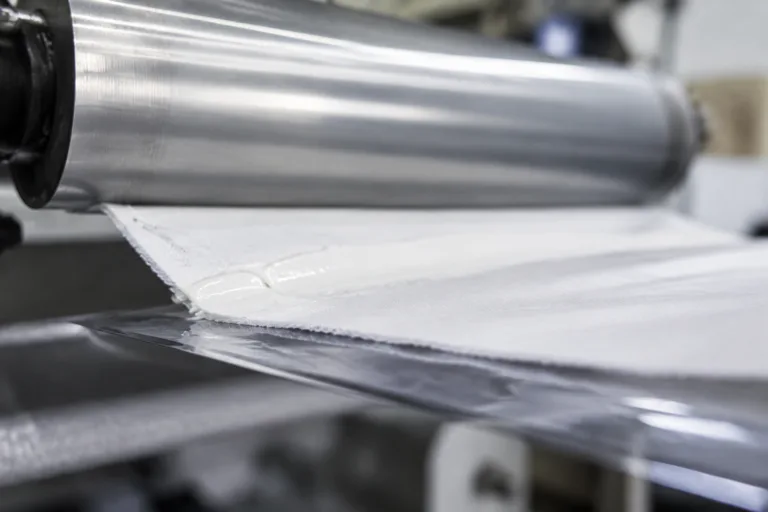
A realistic close-up product photo of adhesive bonding between fabric and film layers in a technical textile production setting.

Seam Reinforcement and Edge Bonding Adhesives

Used to stabilize selected textile zones where extra support or cleaner finishing is needed.
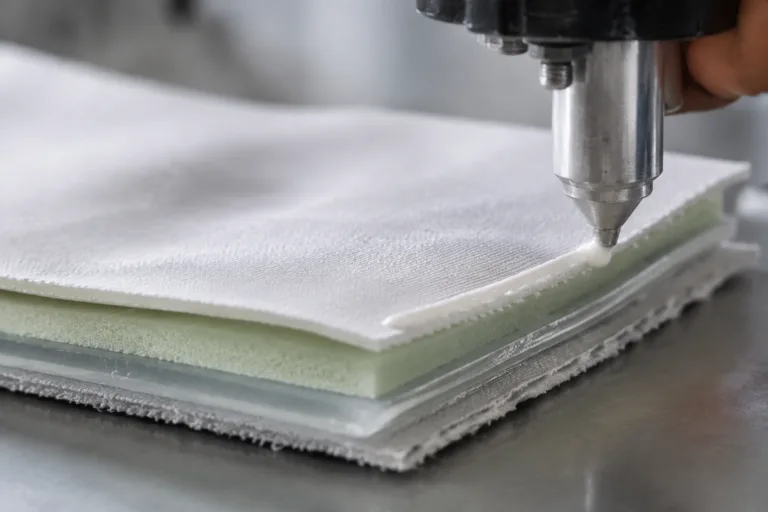
A clean professional close-up showing fabric, foam, and film layers assembled with adhesive into a stable flexible composite structure in a soft goods manufacturing environment.

Soft Composite Assembly Adhesives

Used to create multi-layer soft structures that must remain stable during handling and product use.
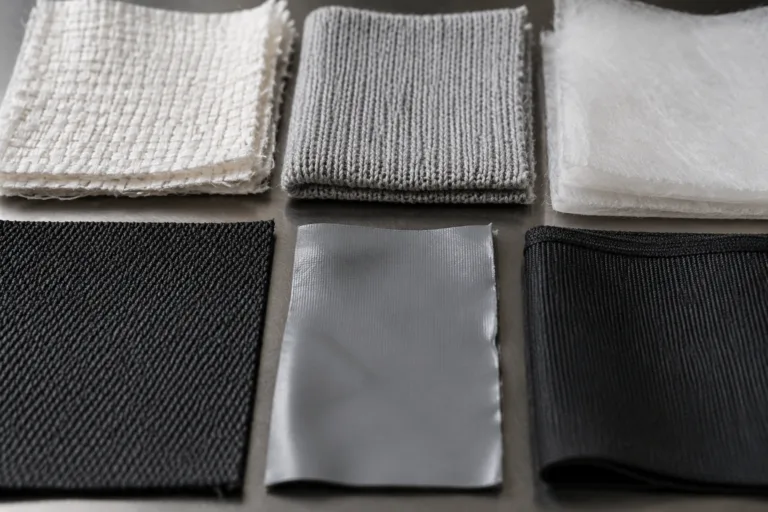
ZDS Fabric Adhesive

ModelCategoryAppearanceViscosityCuringMore
ZDS-5013ABEpoxyMore
ZDS-2186ABAcrylicAmber liquid18000-30000 cps5-8 min @25ยฐCMore
ZDS-PA1600ABAcrylic8 min @25ยฐCMore
ZDS-703ABEpoxyMore
ZDS-5017ABAcrylicMore
ZDS-1346ABAcrylic5 min @25ยฐCMore
ZDS-4018ABUV1200-1800 cps10-30 s @365-405nmMore
ZDS-5014ABEpoxy24 h @25ยฐCMore
ZDS-1101ABEpoxy50000-80000 cps30 min @25ยฐCMore
ZDS-2109011AcrylicColorless to light yellow transparent liquid12000-35000 cps150-200mj (50W LED light 395nm)More
ZDS-2201061UVTransparent or yellowish liquid7 cps200 mJ @ 365/395nm LED lightMore
ZDS-2011031UVTranslucent liquid (thixotropic)10000-25000 cps880mj exposure (2KW medium pressure mercury lamp)More

Custom Fabric Adhesive Options

As a custom adhesive manufacturer, ZDS can adjust adhesive properties to match your textile structure, application method, and final product expectations.

Customizable Properties Include:

  • Adhesion to specific fabrics
  • Flexibility after curing
  • Softness of the bonded area
  • Viscosity
  • Coating behavior
  • Open time
  • Initial tack
  • Curing speed
  • Heat activation options
  • Peel strength
  • Bond durability
  • Low-stiffness bonding
  • Moisture resistance
  • Heat resistance
  • Washing or repeated handling resistance, where required by the application
  • Appearance and color options
    Packaging for coating, rolling, spraying, or dispensing
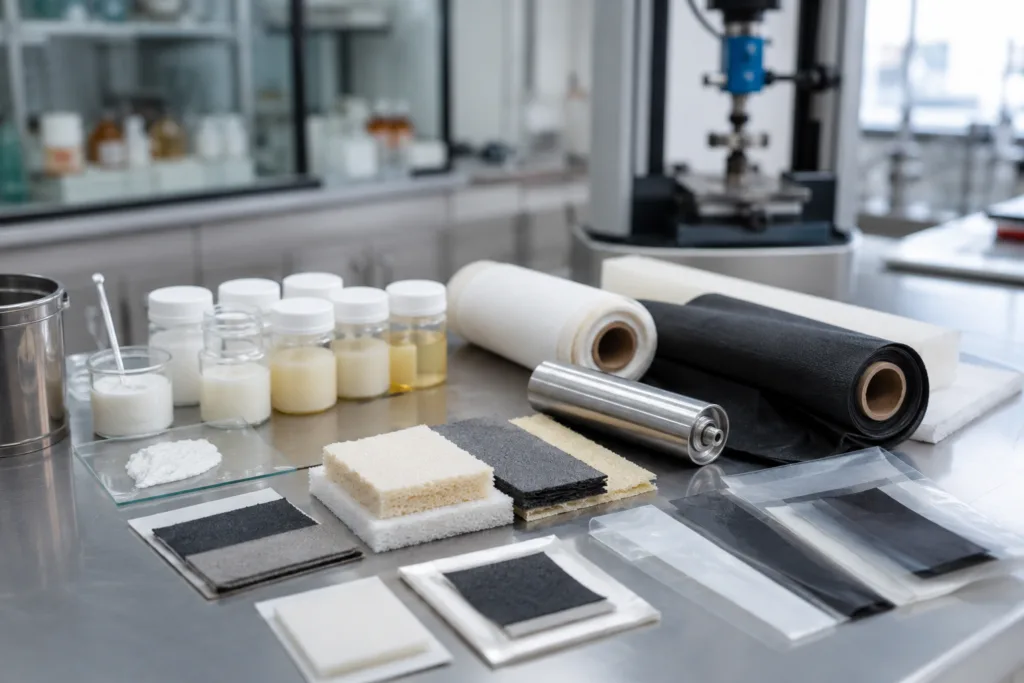
Realistic industrial laboratory scene showing a customized textile adhesive formulation and evaluation setup with sample materials neatly arranged on a clean workbench.

Choosing the Right Fabric Adhesive

Fabric adhesive selection should begin with the final product structure, not only with the word โ€œfabric.โ€
A realistic close-up industrial scene showing multiple fabric samples used for adhesive selection and bonding tests, including woven, knitted, nonwoven, synthetic, coated, and elastic textiles.

Fabric Type

Is the substrate woven, knitted, nonwoven, synthetic, natural fiber-based, coated, or highly elastic?
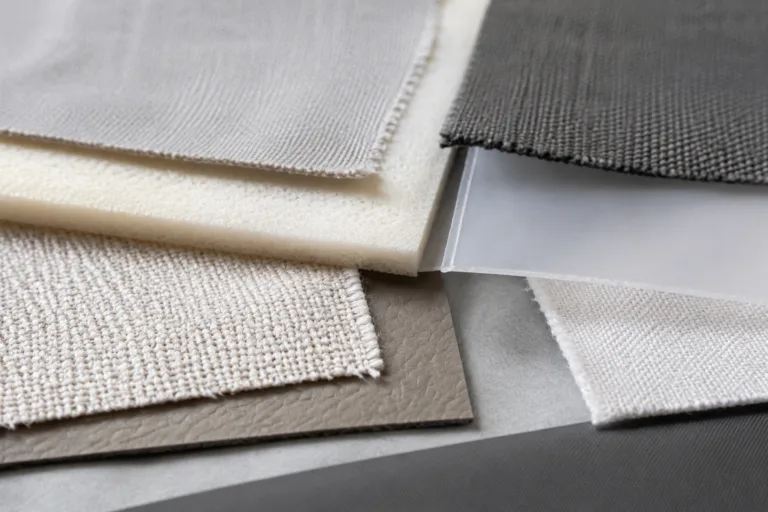
A realistic close-up technical composition showing multiple soft materials used for fabric adhesive selection, arranged professionally for product evaluation.

Bonded Material

Is the fabric being bonded to another fabric, foam, film, plastic, leather-like material, or a mixed soft substrate?
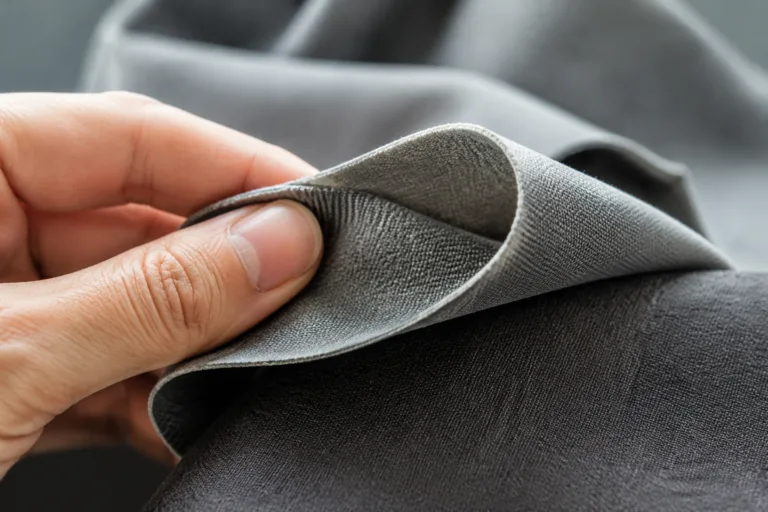
A professional close-up product photo of bonded textile layers tested for flexibility, highlighting smooth bending and a soft hand feel.

Softness Requirement

Should the bonded area remain soft, flexible, and comfortable after curing?
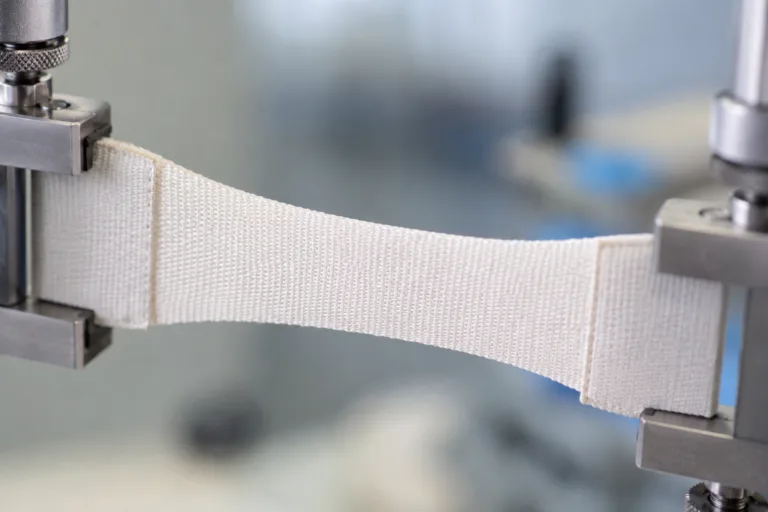
Professional industrial product photo showing bonded fabric flexing and recovering to demonstrate movement tolerance and durable soft bonding.

Product Movement

Will the final product bend, stretch, compress, fold, or recover repeatedly during use?
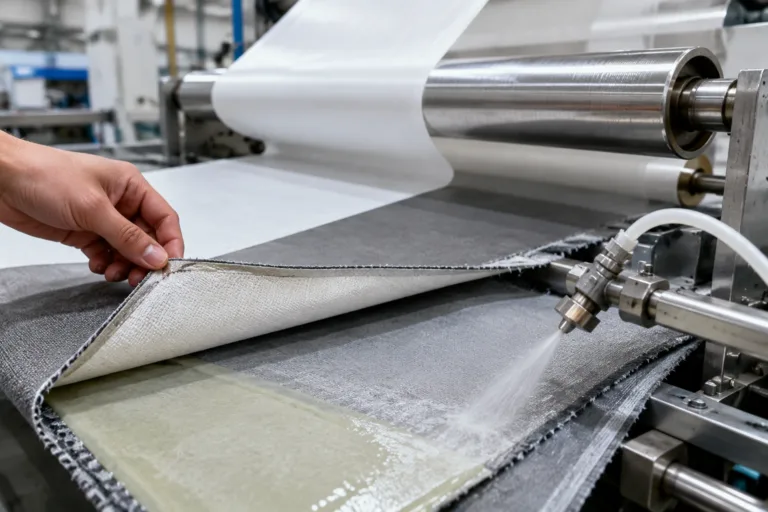
A realistic close-up technical scene of fabric adhesive bonding methods in a modern production environment, showing multiple application techniques on textile layers.

Bonding Method

Will the adhesive be sprayed, coated, heat-activated, rolled, laminated, or dispensed locally?
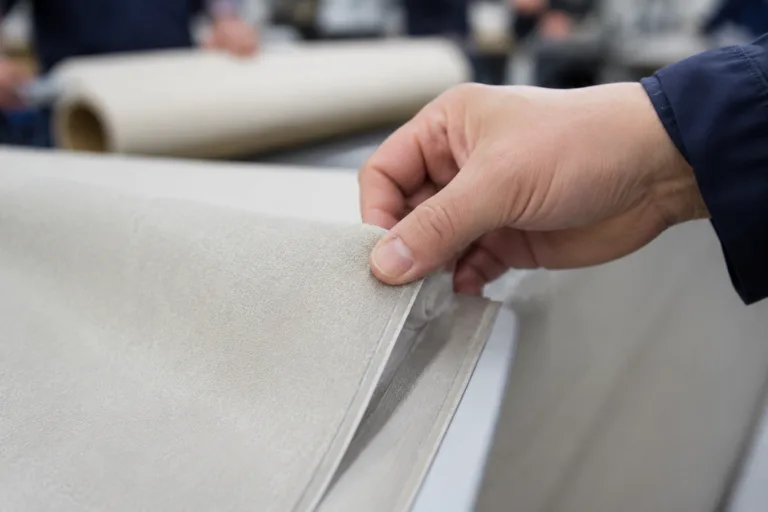
A professional close-up industrial product photo showing fabric adhesive performance on bonded textiles with no strike-through, no staining, neat edges, and a smooth soft-finish appearance.

Appearance Requirement

Does the product require a clean surface, low strike-through, no visible staining, or neat edge control?
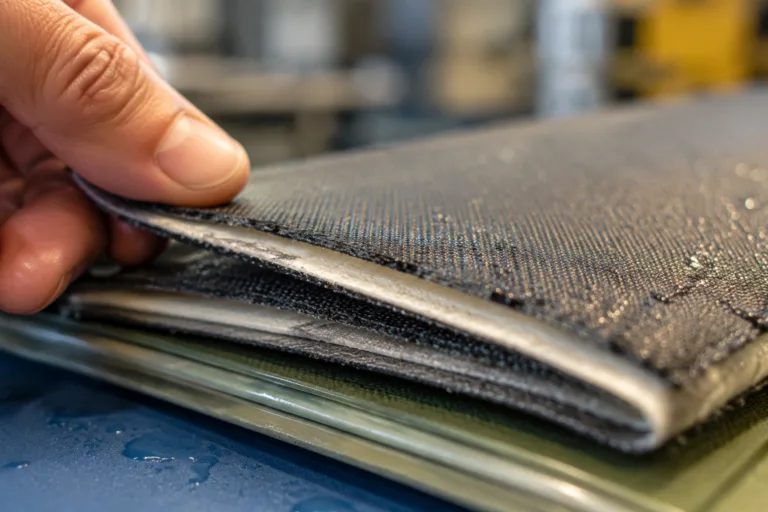
A realistic industrial close-up showing fabric composite layers bonded for durability testing under environmental exposure conditions, with stable adhesion and clean composition.

Environmental Exposure

Will the material face heat, humidity, cleaning, repeated handling, or outdoor use?
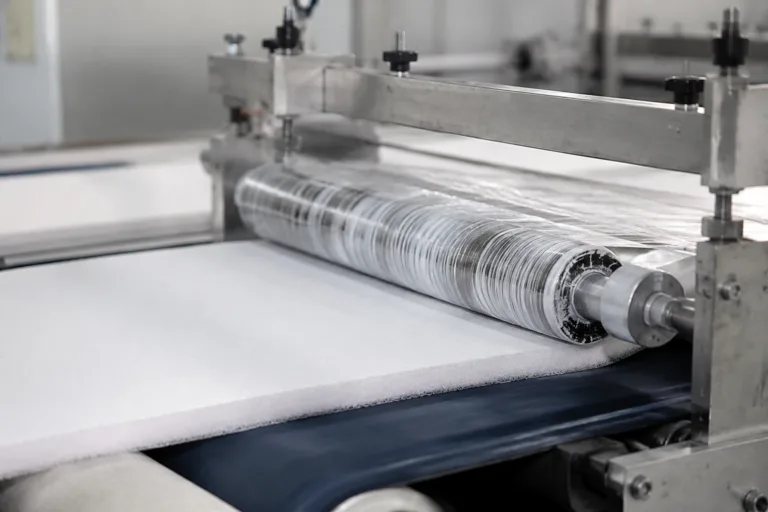
A realistic close-up view of an industrial textile lamination line where adhesive is applied evenly to fabric and foam materials, illustrating production efficiency and controlled soft-material manufacturing.

Production Efficiency

Does the adhesive fit your line speed, coating width, drying or activation step, and batch consistency needs?
Fabric Adhesive Types ZDS Can Support

Polyurethane Fabric Adhesives

Good for flexible bonding, soft structures, fabric lamination, and assemblies that need movement tolerance.

Acrylic Fabric Adhesives

Good for selected coating and bonding applications that need stable adhesion and process-friendly handling.

Hot Melt Fabric Adhesives

Good for textile lamination, foam bonding, and production processes that benefit from fast set and clean handling.

Heat-Activated Fabric Adhesive Systems

Good for film, web, and layer bonding applications that require activation during production.

Water-Based Fabric Adhesives

Good for selected textile bonding, coating, and lower-odor manufacturing needs.

The final choice depends on fabric construction, bonded material, softness requirement, application process, and final performance expectations.

Common Fabric Bonding Problems ZDS Helps Solve

Fabric adhesive failure often affects both performance and appearance.

Bonded Area Becomes Too Stiff

The adhesive may reduce softness or make the textile feel unnatural.

Layer Separation

The adhesive may not match the surface, thickness, or flexibility of the material combination.

Strike-Through or Surface Marks

Adhesive may bleed through thin fabric or affect visual appearance.

Poor Adhesion to Foam or Film

Soft composite structures may require more specific adhesive selection.

Uneven Coating

Poor wet-out or unstable coating can create weak spots.

Limited Durability Under Repeated Movement

Some assemblies bend, stretch, or compress repeatedly during use.

ZDS helps customers reduce these issues through textile-specific formulation selection, coating behavior control, softness matching, and process-oriented adhesive recommendation.

Industries That Use Fabric Adhesives

ZDS fabric adhesive solutions support industries where soft material performance and production consistency matter.

Common Industries Include:

  • Technical textiles
  • Automotive interiors
  • Sportswear-related materials
  • Footwear-related soft structures
  • Foam composite products
  • Protective pads
  • Upholstery-related assemblies
  • Industrial soft goods
  • Acoustic materials
  • Flexible decorative materials
  • Consumer textile components
  • Specialty laminated fabric systems
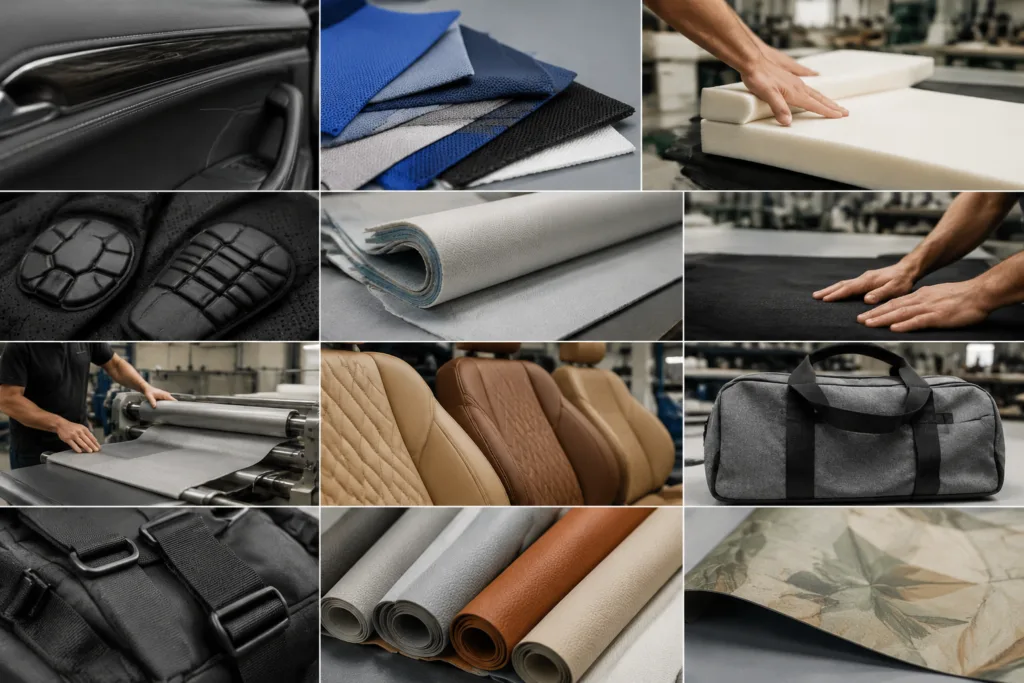
Realistic collage composition illustrating fabric adhesive use across automotive, sportswear, foam, protective, textile, upholstery, and decorative soft goods applications.

Quality and Testing Considerations

For fabric adhesives, testing should consider not only bond strength but also how the bonded structure behaves in real use.

Peel Strength Test

Checks whether bonded fabric layers remain stable under separation force.

Softness Assessment

Reviews whether the adhesive changes the hand feel of the finished structure.

Heat and Moisture Resistance Test

Useful for materials exposed to humidity, warmth, or product-use stress.

Production Trial

Confirms whether the adhesive fits actual coating, spraying, rolling, dispensing, or lamination equipment.

Flexibility Review

Evaluates bending, folding, drape, and movement after bonding.

Lamination Stability Test

Checks layer consistency across the bonded surface.

Repeated Handling Review

Important for soft structures that are bent, pressed, or manipulated frequently.

Need a Fabric Adhesive for Your Product?

Tell ZDS what fabric you are using, what second material it bonds with, and how the finished product should feel and perform. Our team can help recommend a suitable fabric adhesive or discuss a custom formula.

FAQ

What is a fabric adhesive?
A fabric adhesive is used to bond or laminate textiles with other fabrics, foams, films, plastics, or soft material structures.
It is used for fabric-to-fabric bonding, fabric-to-foam lamination, fabric-to-plastic assembly, edge bonding, seam reinforcement, and soft composite manufacturing.
Fabric adhesive focuses on textile and soft material behavior, such as flexibility, softness, and comfort. Laminating adhesive is a broader category used across films, panels, packaging, and layered material systems.
Yes. Fabric-to-foam bonding is a common industrial use case in seating, cushioning, acoustic materials, and soft composite structures.
Yes. ZDS can customize softness, flexibility, viscosity, open time, adhesion strength, peel performance, and process suitability.
Yes. Some industrial textile adhesive systems are designed to maintain flexibility, softness, and movement after bonding.
ZDS LTD ยท Adhesive Manufacturer

Get the Right Adhesive Recommendation

Not sure which adhesive fits your material, process, or performance needs?
Share a few project details, and our team will suggest a suitable ZDS product or custom formulation.