PCB Adhesive Manufacturer
Custom PCB adhesive solutions for component fixing, staking, wire reinforcement, board assembly, and high-reliability electronics manufacturing.
Get Best Solution
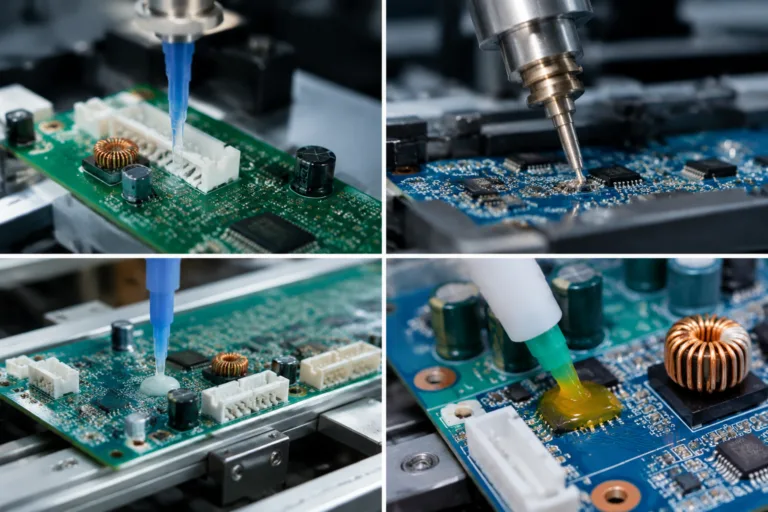
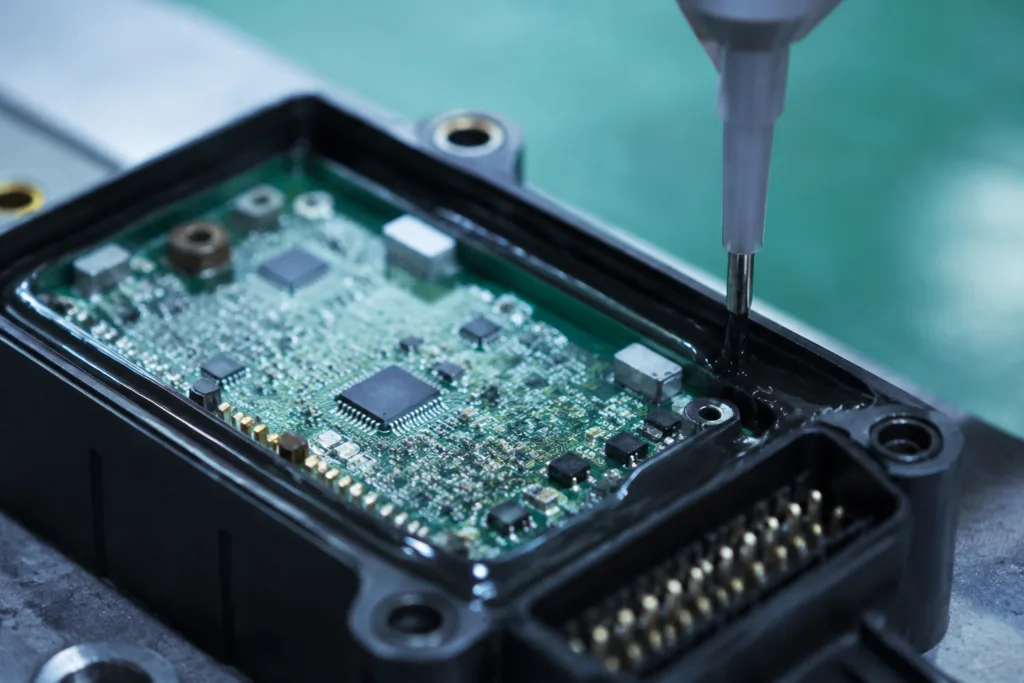
PCB Adhesive Solutions for Board-Level Electronics Manufacturing
ZDS helps customers select or customize PCB adhesives based on:
- Assembly stage
- Component size
- Dispensing method
- Curing process
- Electrical safety needs
- Vibration and reliability requirements
What Are PCB Adhesives Used For?
Common Uses Include:
- SMT component attachment
- Component staking
- Wire tacking
- Connector reinforcement
- Large component support
- PCB edge bonding
- Small part fixing
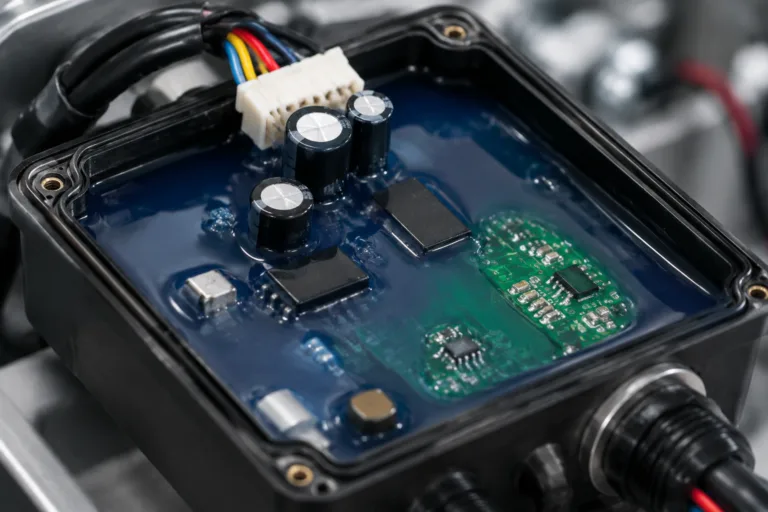
- Localized protection around electronic components
- Vibration-resistant electronics assembly
- Adhesive reinforcement before or after soldering
- Precision dispensing for board-level manufacturing

PCB Adhesives by Application

SMT Component Attachment Adhesives
Used to hold small electronic components in place during certain PCB assembly processes.
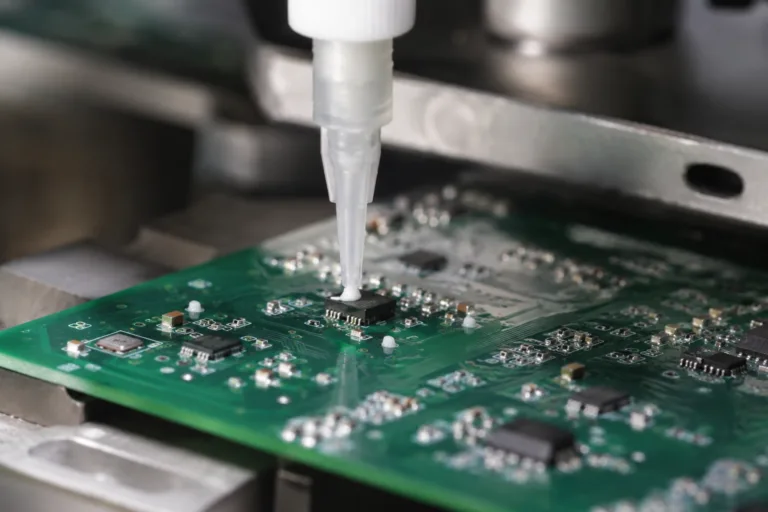
Component Staking Adhesives
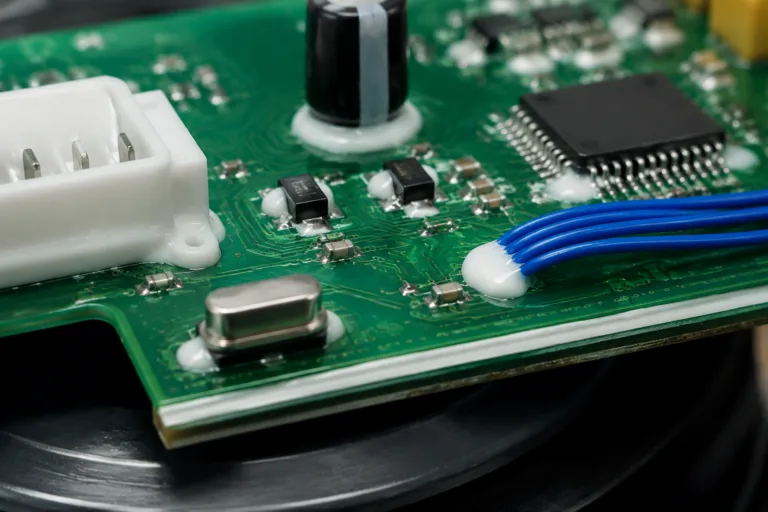
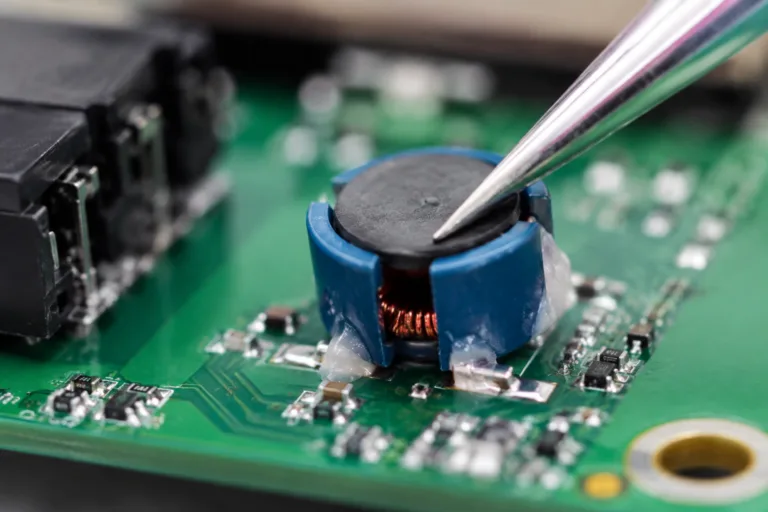
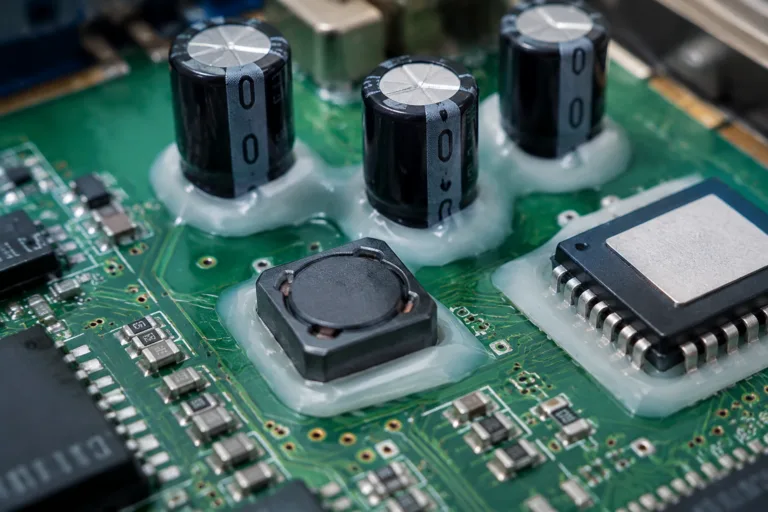
Used to add mechanical support around components that may face vibration, movement, or handling stress. Staking adhesives are commonly used to improve the structural stability of electronic components on PCBs.
Wire Tacking Adhesives
Used to hold wires or leads in position and reduce movement during use or later assembly stages. Light-curable wire tacking adhesives are used for precise reinforcement on printed circuit boards.
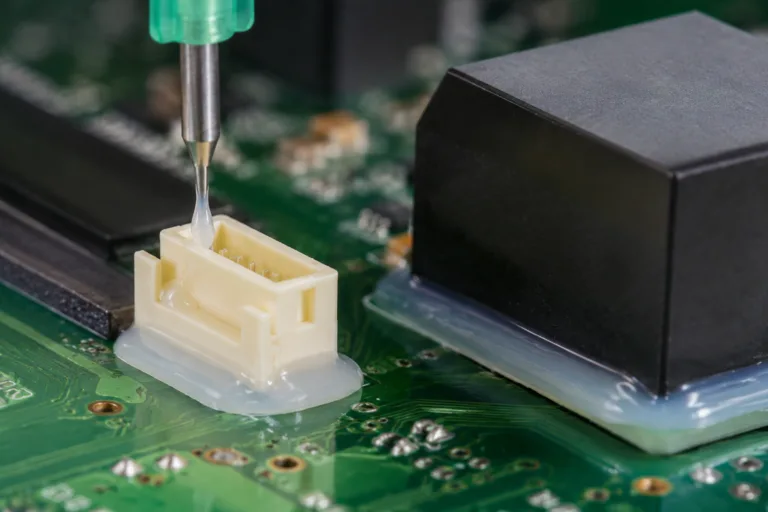
Connector and Heavy Component Reinforcement Adhesives
Used when larger components need extra support to reduce stress on solder joints or PCB contact areas.
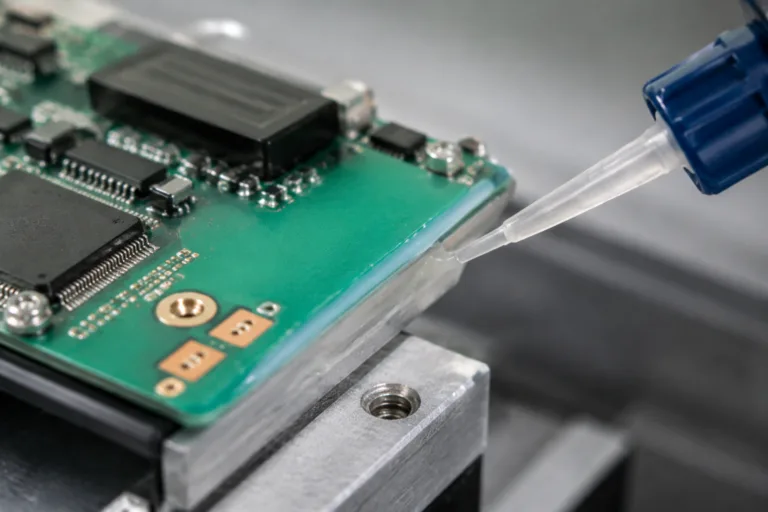
PCB Edge Bonding Adhesives
Used to reinforce selected edges, areas, or local structures in compact electronic assemblies.
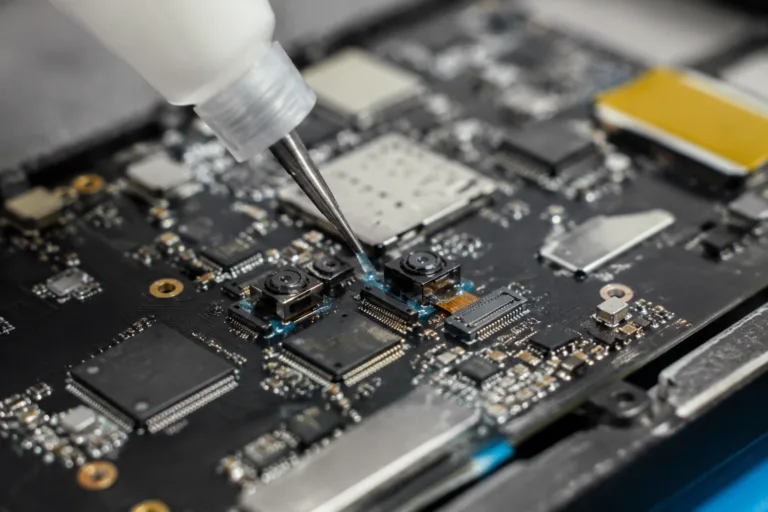
Precision Fixing Adhesives for PCB Assemblies
Used for small-area bonding where accurate placement, controlled flow, and stable curing are important.
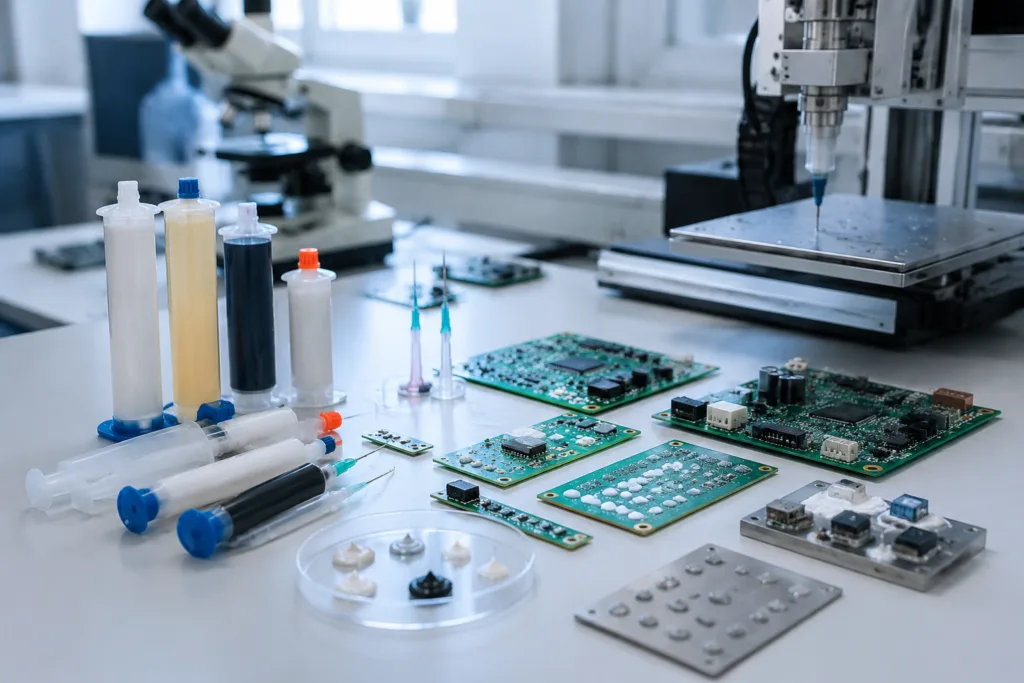
ZDS PCB Adhesive
| Model | Category | Appearance | Viscosity | Curing | More |
|---|---|---|---|---|---|
| ZDS-5013AB | Epoxy | More | |||
| ZDS-2186AB | Acrylic | Amber liquid | 18000-30000 cps | 5-8 min @25ยฐC | More |
| ZDS-PA1600AB | Acrylic | 8 min @25ยฐC | More | ||
| ZDS-703AB | Epoxy | More | |||
| ZDS-5017AB | Acrylic | More | |||
| ZDS-1346AB | Acrylic | 5 min @25ยฐC | More | ||
| ZDS-4018AB | UV | 1200-1800 cps | 10-30 s @365-405nm | More | |
| ZDS-5014AB | Epoxy | 24 h @25ยฐC | More | ||
| ZDS-1101AB | Epoxy | 50000-80000 cps | 30 min @25ยฐC | More | |
| ZDS-2109011 | Acrylic | Colorless to light yellow transparent liquid | 12000-35000 cps | 150-200mj (50W LED light 395nm) | More |
| ZDS-2201061 | UV | Transparent or yellowish liquid | 7 cps | 200 mJ @ 365/395nm LED light | More |
| ZDS-2011031 | UV | Translucent liquid (thixotropic) | 10000-25000 cps | 880mj exposure (2KW medium pressure mercury lamp) | More |
Custom PCB Adhesive Options
Customizable Properties Include:
- Viscosity
- Thixotropy and slump control
- Dot shape stability
- Curing speed
- Heat-curing compatibility
- UV-curing options
- Working time
- Initial tack
- Final bonding strength
- Electrical insulation
- Vibration resistance
- Temperature resistance
- Moisture resistance
- Controlled flexibility
- Color identification options
- Packaging for syringes, cartridges, or automated dispensing

Choosing the Right PCB Adhesive

Assembly Stage
Is the adhesive used before soldering, after soldering, or during final reinforcement?
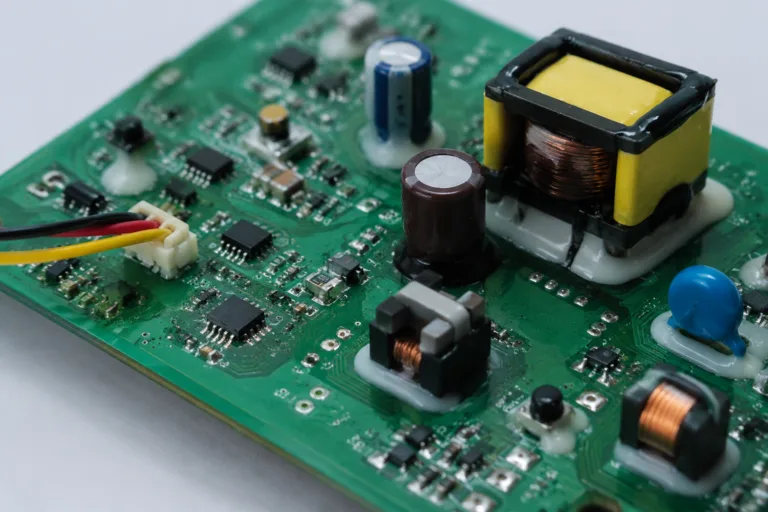
Component Type
Are you fixing small SMD parts, wires, connectors, large components, or vibration-sensitive parts?
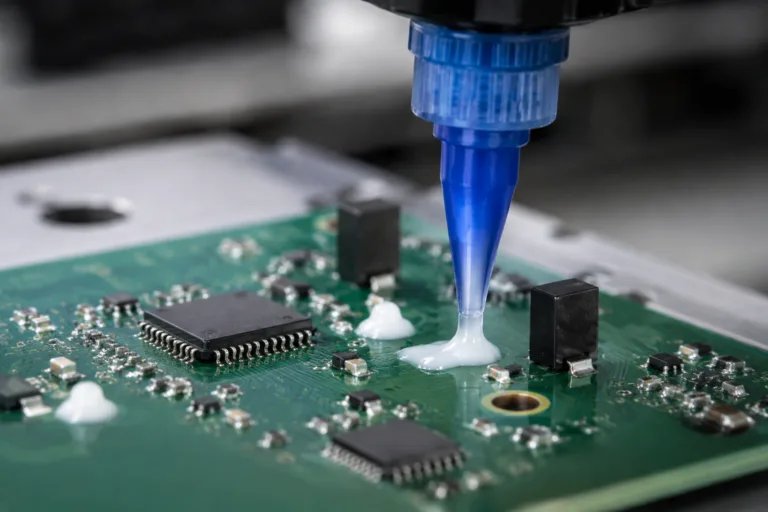
Dispensing Behavior
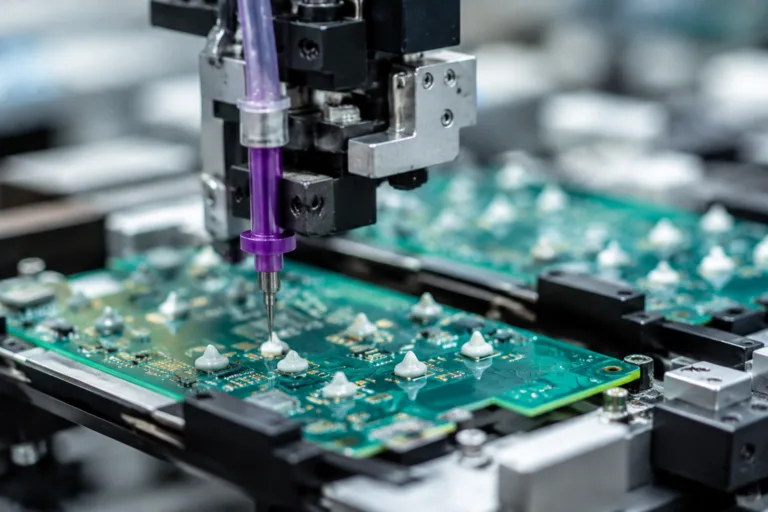
Does the adhesive need to form stable dots, stay in place without slumping, or flow into a controlled local area?
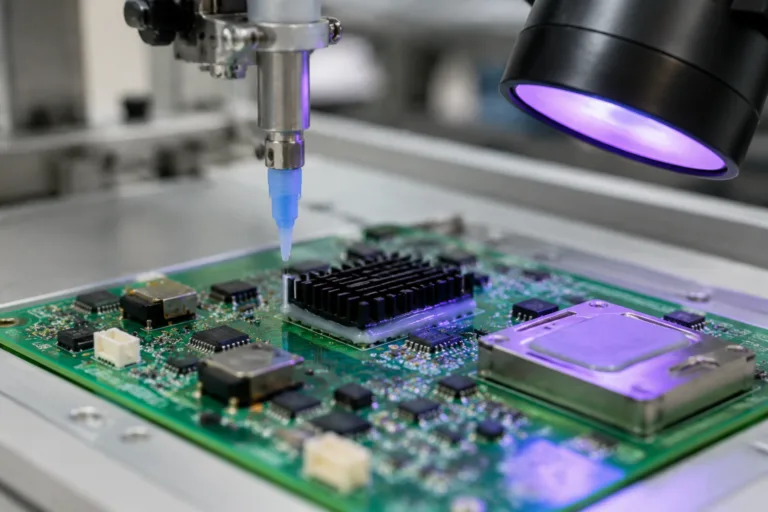
Curing Process
Do you need heat curing, UV curing, or a cure profile that fits your electronics production line?
Bonding Strength
Does the adhesive need simple positioning strength or stronger reinforcement for long-term reliability?
Electrical Performance
Does the formulation need electrical insulation and stable performance around PCB structures?
Reliability Environment
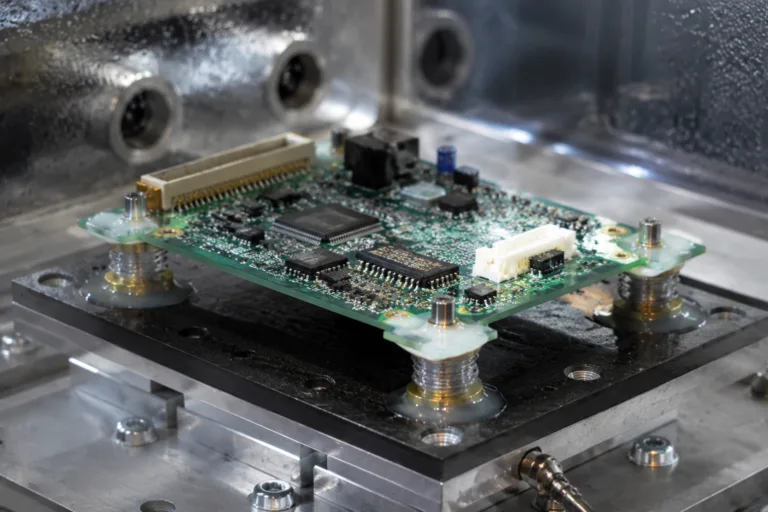
Will the finished product face vibration, humidity, temperature cycling, or long-term industrial use?
Production Efficiency
Does the adhesive fit your dispensing speed, line takt time, storage condition, and batch consistency requirements?
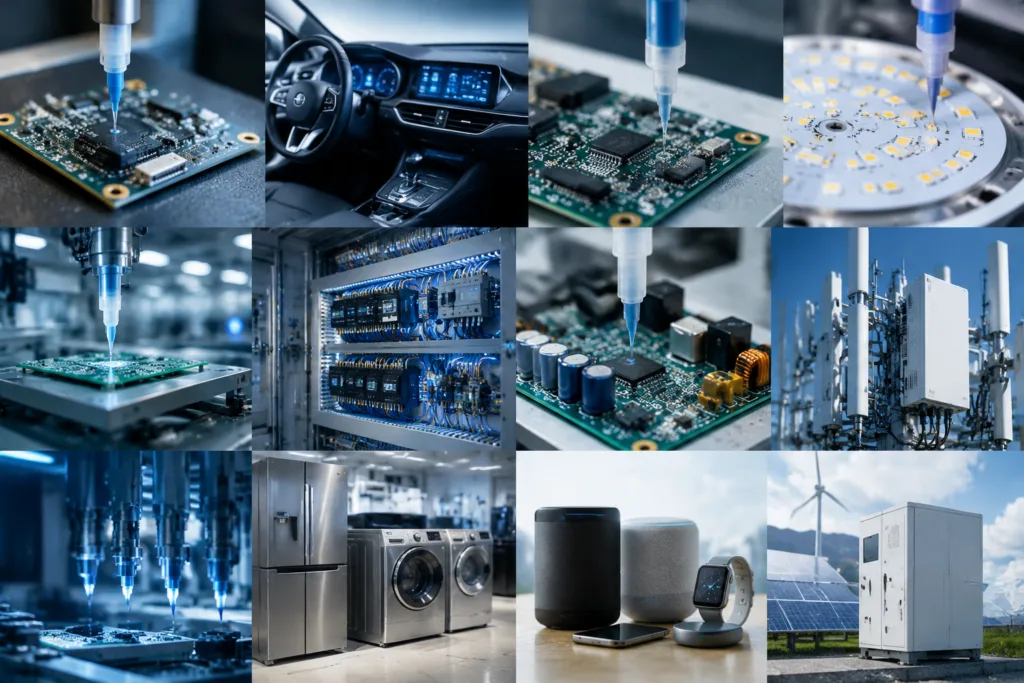
PCB Adhesive Types ZDS Can Support
Epoxy PCB Adhesives
Good for stronger fixing, mechanical support, controlled bonding, and selected high-reliability electronic assemblies.
UV-Curable PCB Adhesives
Good for fast curing, precise placement, and selected board-level fixing applications where light exposure is possible.
SMT PCB Adhesives
Good for component attachment, stable dispensing, and assembly processes that require temporary or process-support bonding.
Component Staking Adhesives
Good for reinforcing large or vibration-sensitive parts mounted on circuit boards.
Flexible PCB Reinforcement Adhesives
Good for applications where minor movement, vibration, or stress control is important.
Common PCB Adhesive Problems ZDS Helps Solve
Adhesive Slump or Poor Dot Shape
The adhesive may spread too much before curing and fail to hold a precise position.
Component Movement
The bond may not provide enough initial holding strength during assembly or handling.
Weak Support Under Vibration
Large or heavy components may need additional reinforcement beyond normal placement.
Incompatible Cure Process
The adhesive may not match the available heat, UV, or line timing conditions.
Poor Dispensing Consistency
The formula may not perform well in automated dispensing equipment.
Insufficient Local Reinforcement
Wires, connectors, or tall components may remain vulnerable to movement or stress.
Industries That Use PCB Adhesives
Common Industries Include:
- PCB assembly
- Consumer electronics
- Automotive electronics
- Sensors and modules
- LED lighting
- Industrial controls
- Power electronics
- Communication devices
- Appliances
- Battery management systems
- Smart devices
- Electric motor controls
- New energy equipment
- Outdoor electronic products

Quality and Testing Considerations
Dispensing Test
Checks dot shape, line control, anti-slump behavior, and application consistency.
Adhesion Test
Evaluates bonding strength on the target PCB-related substrate and component surface.
Electrical Insulation Review
Important for adhesives used close to conductive or sensitive board areas.
Production Trial
Confirms whether the adhesive works with the actual application method, curing time, and assembly process.
Cure Profile Review
Confirms whether the adhesive matches heat or UV curing needs in production.
Component Stability Test
Reviews whether parts remain secure during handling, vibration, or later processing.
Thermal and Humidity Reliability Test
Confirms real compatibility with dispensing equipment, assembly speed, and curing workflow.