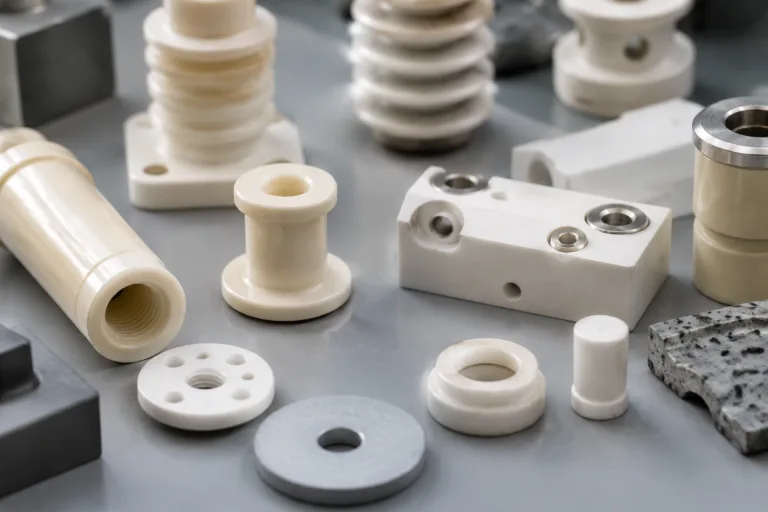
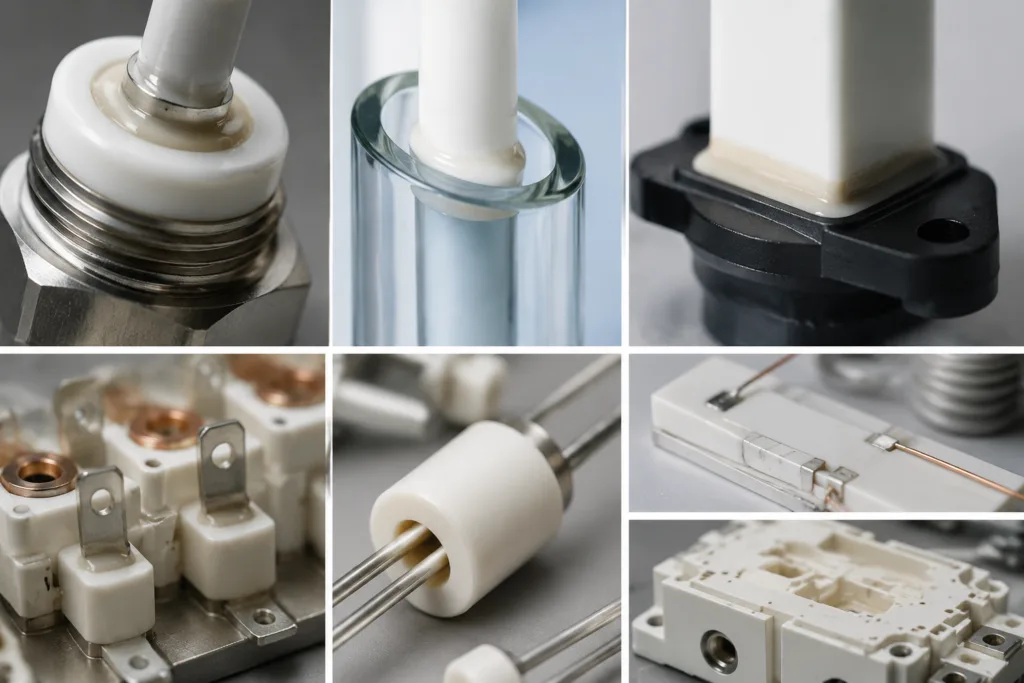
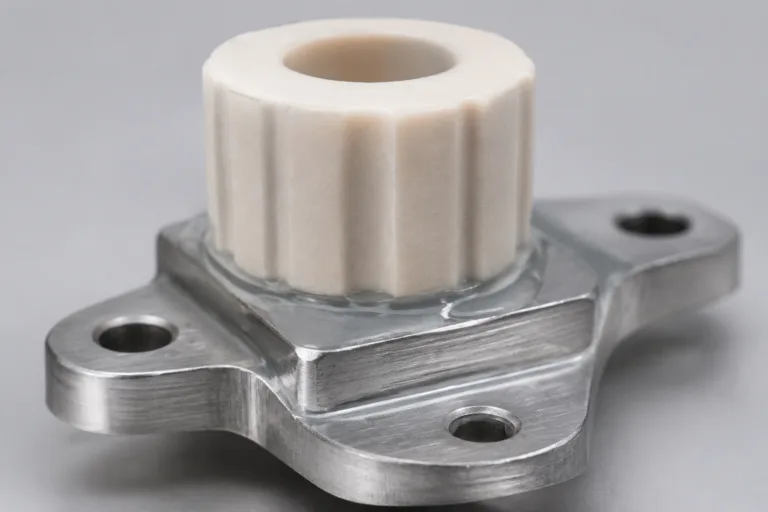
Ceramic Adhesive Manufacturer
Get Best Solution
Ceramic Adhesive Solutions for Heat-Resistant and Stable Bonding
The right ceramic adhesive should match:
- Ceramic type
- Second bonded material
- Heat and thermal cycling requirements
- Electrical insulation needs
- Joint design
- Production method
What Are Ceramic Adhesives Used For?
Common Uses Include:
- Ceramic-to-metal bonding
- Ceramic-to-glass bonding
- Ceramic-to-plastic bonding
- Ceramic part fixing
- Electrical insulation bonding
- Heat-resistant component assembly
- Sensor and electronic ceramic bonding
- Heating element related assembly
- Industrial ceramic module fixing
- Lighting product assembly
- Appliance part bonding
- Ceramic seal support
- Ceramic component protection

Ceramic Adhesives by Application

Ceramic-to-Metal Bonding Adhesives
Used to join rigid ceramic parts with metal structures where bond strength and thermal stability matter.
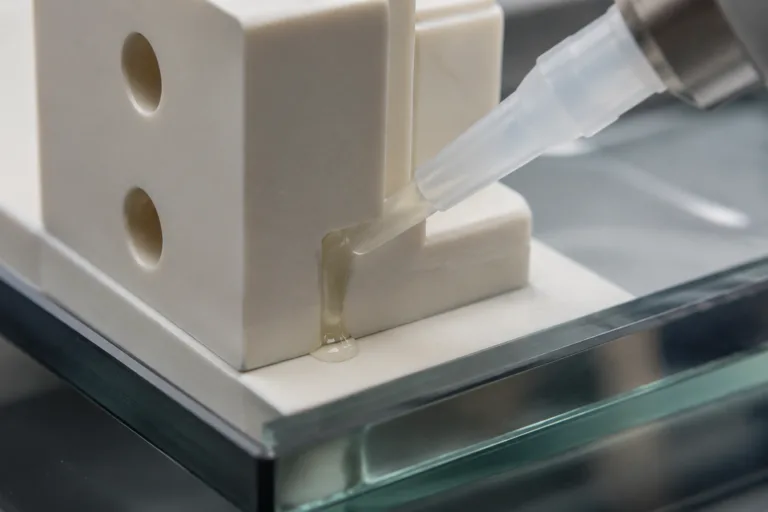
Ceramic-to-Glass Bonding Adhesives
Used where ceramic and glass parts need a stable bond with controlled appearance.
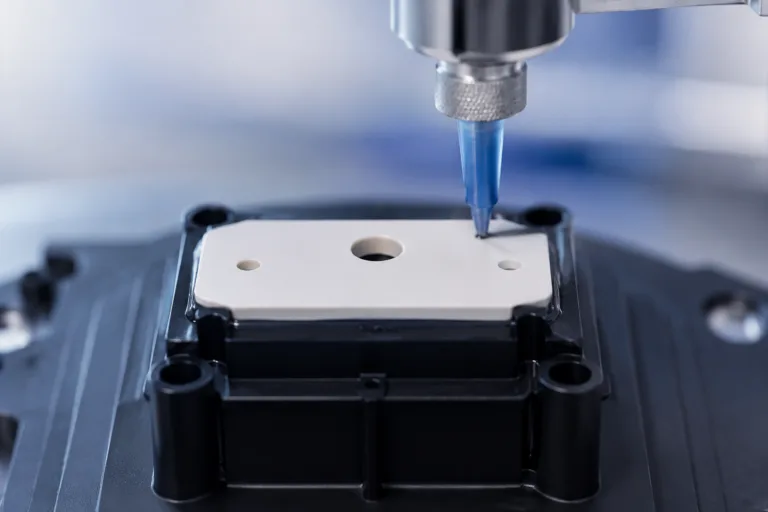
Ceramic-to-Plastic Bonding Adhesives
Used in mixed-material products where ceramic parts must bond with molded plastic housings or supports.
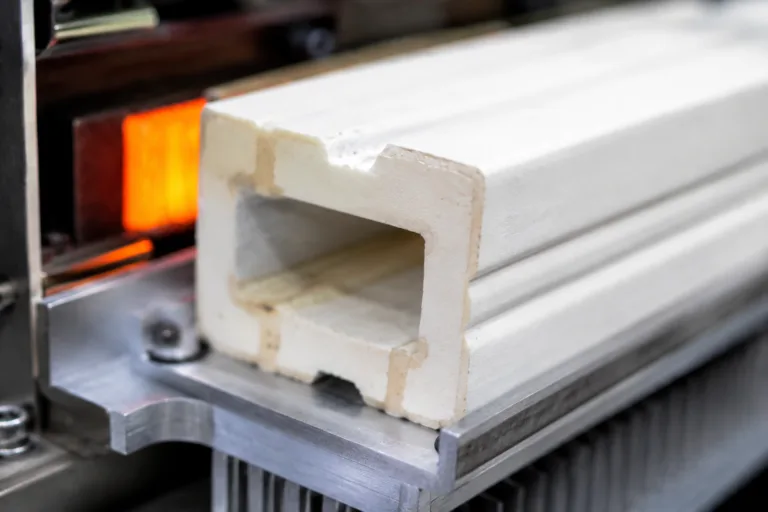
Heat-Resistant Ceramic Bonding Adhesives
Used for ceramic applications that face elevated temperatures or thermal cycling.
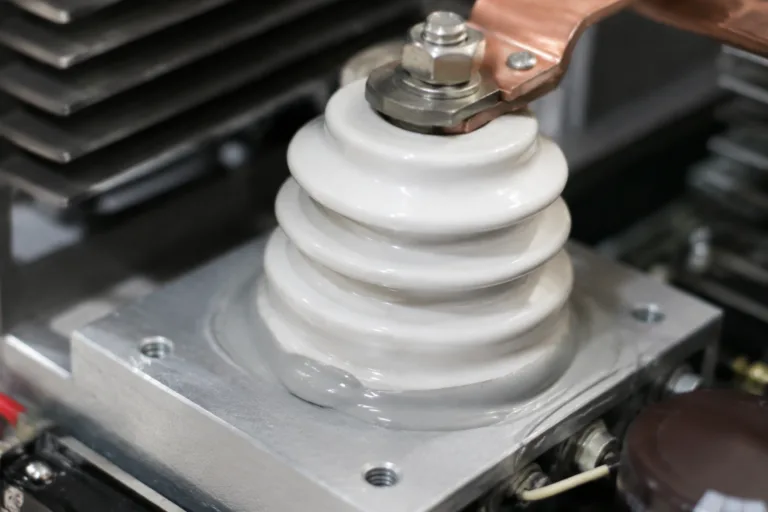
Electrical Insulation Ceramic Adhesives
Used where ceramic bonding and electrical insulation are both important.
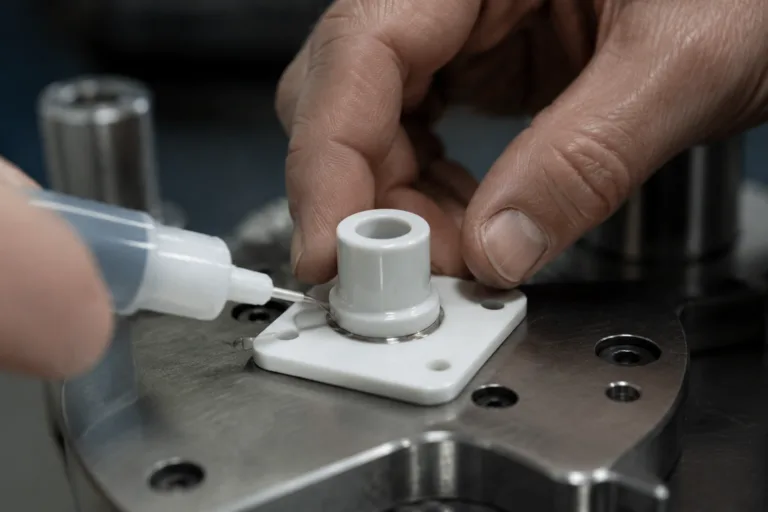
Ceramic Component Fixing Adhesives
Used to position or reinforce ceramic components during product assembly.
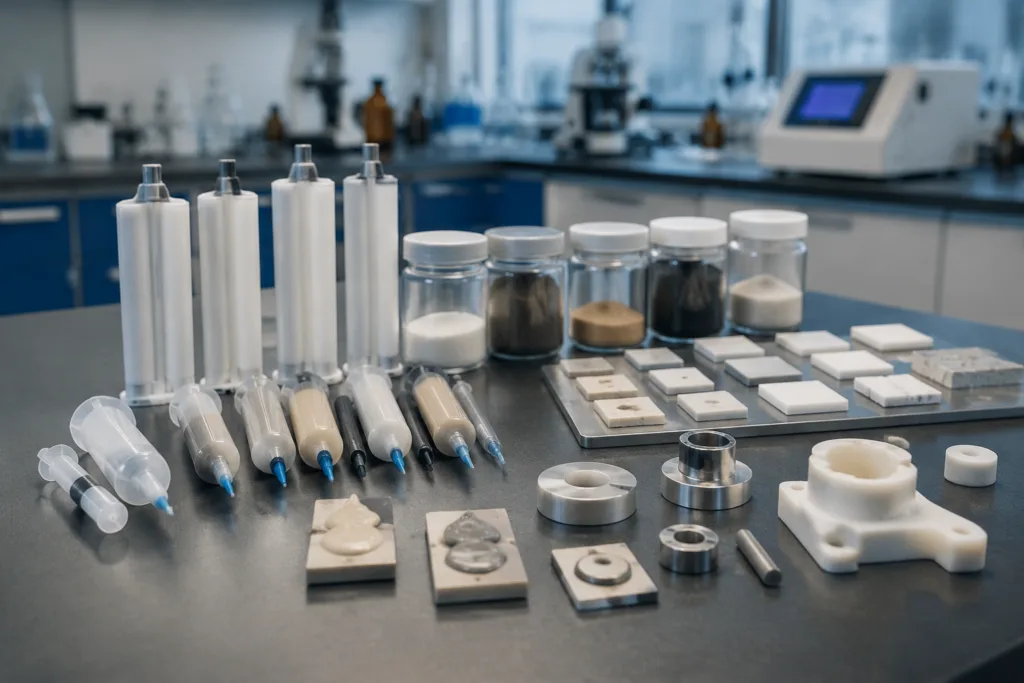
ZDS Ceramic Adhesive
| Model | Category | Appearance | Viscosity | Curing | More |
|---|---|---|---|---|---|
| ZDS-5013AB | Epoxy | More | |||
| ZDS-2186AB | Acrylic | Amber liquid | 18000-30000 cps | 5-8 min @25ยฐC | More |
| ZDS-PA1600AB | Acrylic | 8 min @25ยฐC | More | ||
| ZDS-703AB | Epoxy | More | |||
| ZDS-5017AB | Acrylic | More | |||
| ZDS-1346AB | Acrylic | 5 min @25ยฐC | More | ||
| ZDS-4018AB | UV | 1200-1800 cps | 10-30 s @365-405nm | More | |
| ZDS-5014AB | Epoxy | 24 h @25ยฐC | More | ||
| ZDS-1101AB | Epoxy | 50000-80000 cps | 30 min @25ยฐC | More | |
| ZDS-2109011 | Acrylic | Colorless to light yellow transparent liquid | 12000-35000 cps | 150-200mj (50W LED light 395nm) | More |
| ZDS-2201061 | UV | Transparent or yellowish liquid | 7 cps | 200 mJ @ 365/395nm LED light | More |
| ZDS-2011031 | UV | Translucent liquid (thixotropic) | 10000-25000 cps | 880mj exposure (2KW medium pressure mercury lamp) | More |
Custom Ceramic Adhesive Options
Customizable Properties Include:
- Bonding strength
- Viscosity
- Curing speed
- Working time
- Gap filling ability
- Hardness
- Controlled flexibility
- Heat resistance
- Thermal cycling resistance
- Electrical insulation
- Chemical resistance
- Moisture resistance
- Low-temperature resistance
- Impact resistance
- Low shrinkage
- Color and appearance
- Packaging for manual or automated dispensing

Choosing the Right Ceramic Adhesive

Ceramic Type
Are you bonding technical ceramic, porcelain-like ceramic, alumina-based parts, ceramic insulators, or other ceramic structures?
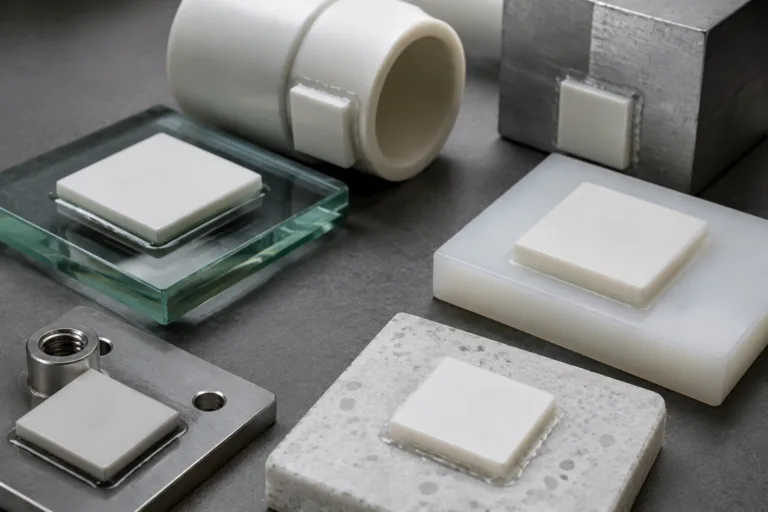
Material Combination
Is it ceramic-to-metal, ceramic-to-glass, ceramic-to-plastic, or ceramic-to-ceramic bonding?
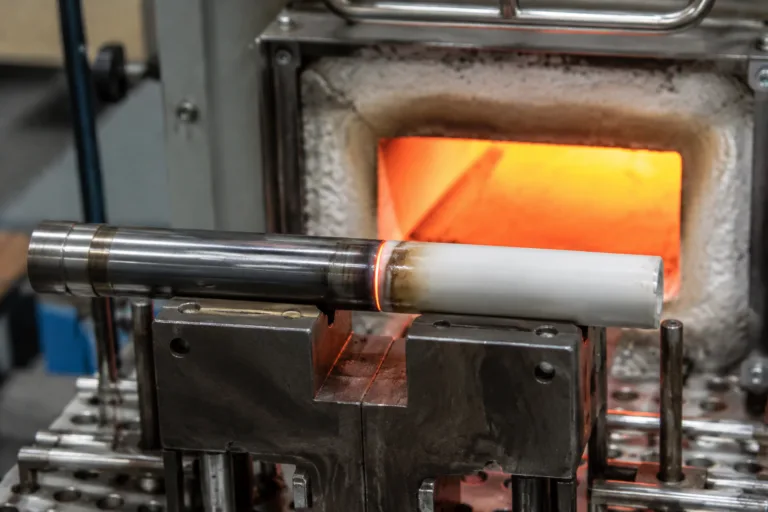
Heat Resistance
Will the bonded part face high operating temperature, repeated heating and cooling, or thermal cycling?
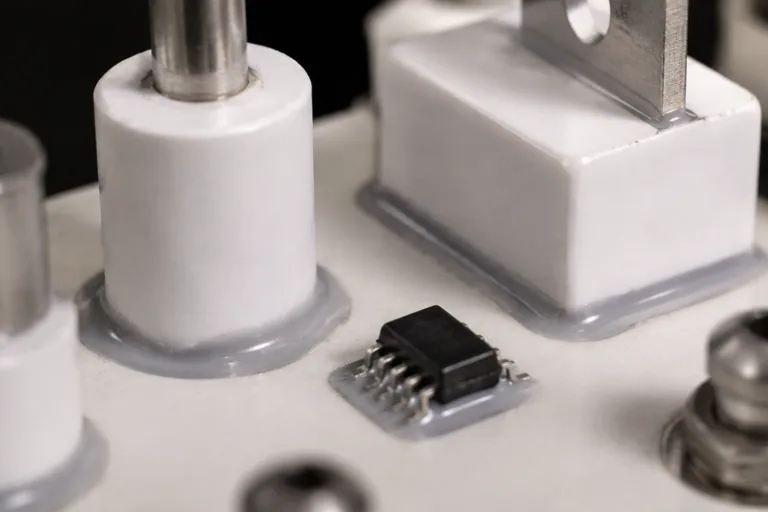
Electrical Insulation
Does the adhesive need to support dielectric protection or prevent electrical conduction?
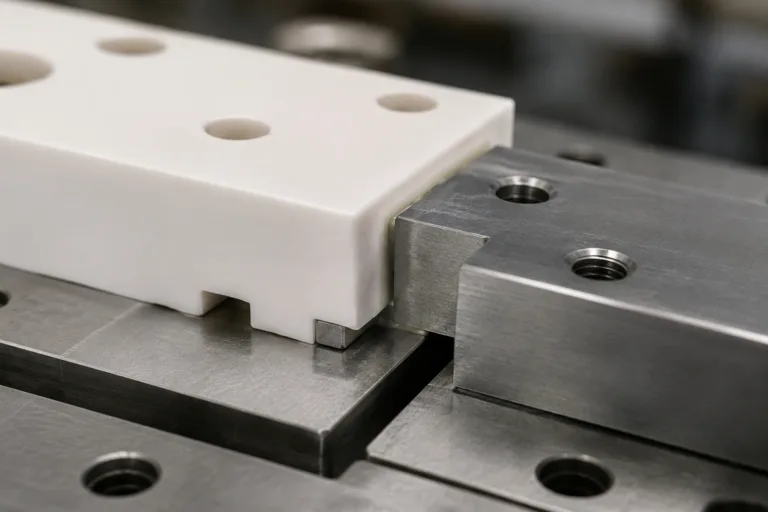
Joint Design
Is the bond line thin, wide, uneven, load-bearing, or exposed to vibration or impact?
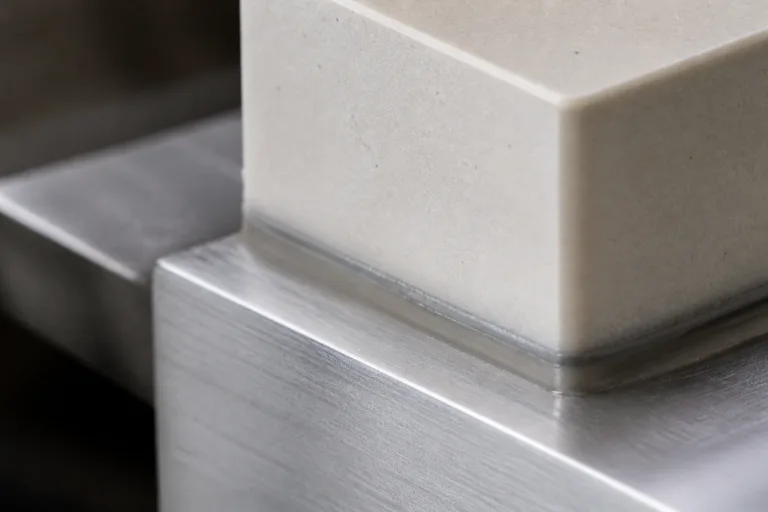
Stress and Brittleness
Does the adhesive need to reduce stress transfer to a rigid or brittle ceramic part?
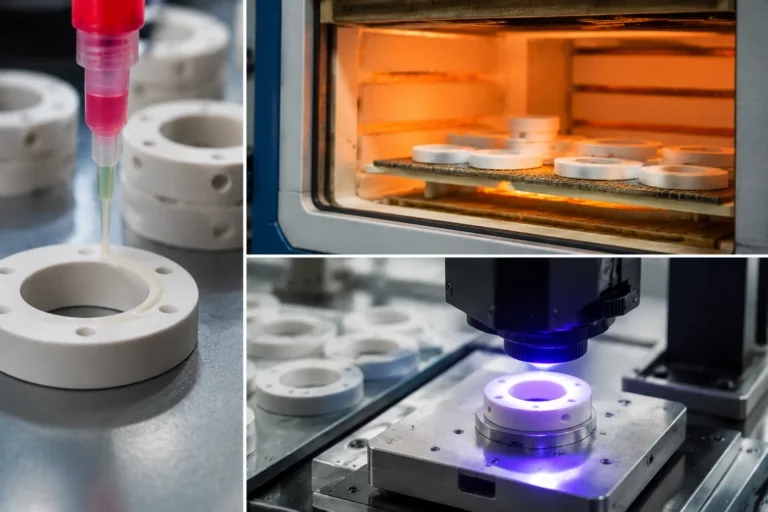
Curing Method
Do you need room-temperature curing, heat curing, UV curing, or a process suitable for precision assembly?
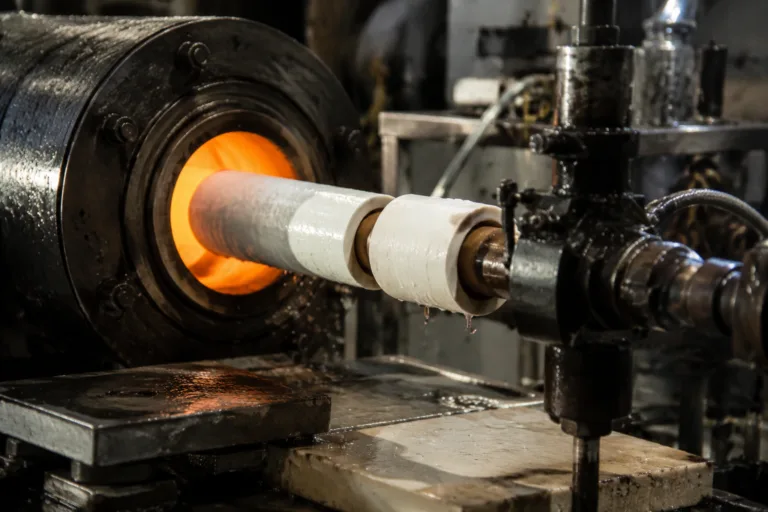
Working Environment
Will the final product face moisture, chemicals, vibration, heat, cold, or long-term industrial exposure?
Ceramic Adhesive Types ZDS Can Support
Epoxy Ceramic Adhesives
Good for strong bonding, gap filling, chemical resistance, insulation, and industrial ceramic assemblies.
Acrylic Ceramic Adhesives
Good for ceramic-to-metal or mixed-material bonding where fast strength development and production efficiency are important.
Silicone Ceramic Adhesives
Good for flexible bonding, thermal movement tolerance, sealing, and heat-related applications.
UV Ceramic Adhesives
Good for certain visible or accessible bonding areas where UV curing is possible.
Cyanoacrylate Ceramic Adhesives
Good for fast positioning, small-area bonding, and selected precision ceramic components.
Common Ceramic Bonding Problems ZDS Helps Solve
Weak Bonding to Metal or Plastic
The adhesive may not match both the ceramic surface and the second substrate.
Cracking Under Thermal Cycling
Different materials expand at different rates, creating stress at the bond line.
Brittle Joint Failure
A rigid adhesive may transfer too much stress to the ceramic part.
Poor Heat Resistance
The adhesive may soften, degrade, or lose strength in elevated-temperature applications.
Electrical Performance Risk
The adhesive may not meet insulation needs for electronic or power-related structures.
Slow or Unstable Production
The formula may not match the required curing method or assembly speed.
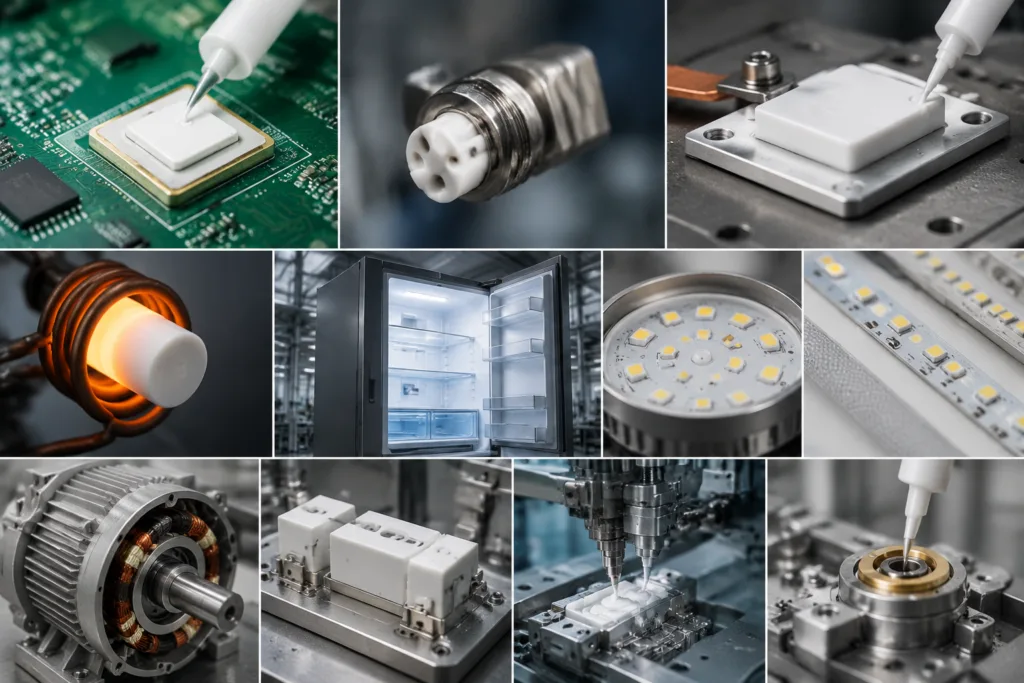
Industries That Use Ceramic Adhesives
Common Industries Include:
- Electronics manufacturing
- Sensors and control modules
- Appliances
- LED lighting
- Heating components
- Industrial equipment
- Electric motors
- Power devices
- Automotive components
- Communication equipment
- Specialty instruments
- Technical ceramic assemblies
- Precision industrial modules

Quality and Testing Considerations
Adhesion Test
Checks bonding performance on ceramic and the paired substrate.
Thermal Cycling Test
Checks performance during repeated heating and cooling.
Shear or Pull Strength Test
Evaluates the mechanical stability of the bonded joint.
Production Trial
Confirms whether the adhesive fits the actual application, curing method, and assembly process.
Thermal Resistance Test
Reviews stability under high temperature or extended heat exposure.
Electrical Insulation Test
Important for ceramic components used in electronic or power applications.
Moisture and Chemical Resistance Test
Useful for industrial environments or sealed assemblies.