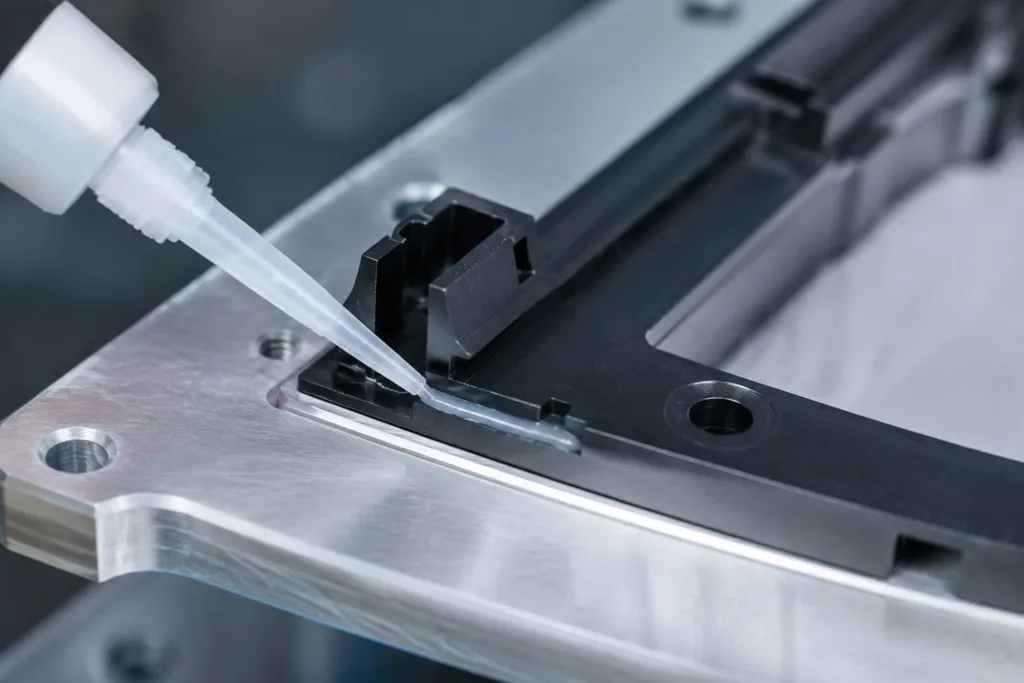
A realistic close-up industrial scene showing adhesive application between precision components, with a visible bonding line joining metal and plastic parts in a clean manufacturing environment. Professional lighting and detailed product photography style.

Bonding Adhesive Manufacturer

Custom bonding adhesive solutions for metal, plastic, glass, rubber, ceramic, PCB, composite, carbon fiber, and industrial assembly.

Bonding adhesives help manufacturers join parts without relying only on screws, welding, rivets, clips, or tapes. A good bonding adhesive can improve strength, reduce weight, seal small gaps, simplify assembly, and support cleaner product design.
As an adhesive manufacturer, ZDS develops and supplies bonding adhesive solutions for industrial products, electronics, lighting, automotive parts, appliances, tools, composite structures, and custom material combinations.

Bonding Adhesive Solutions for Industrial Manufacturing

Bonding is one of the most common adhesive applications in modern manufacturing. It is used when two or more materials need to stay firmly connected during production, shipping, installation, and long-term use.
The right bonding adhesive depends on the material, surface condition, load, working temperature, curing method, and final environment.
ZDS helps customers choose or customize bonding adhesives for different production needs, from small component fixing to stronger structural bonding.

What Are Bonding Adhesives Used For?

Bonding adhesives are used to connect different parts and materials into a stable product structure.

Common Uses Include:

  • Metal-to-metal bonding
  • Plastic-to-plastic bonding
  • Metal-to-plastic bonding
  • Glass-to-metal bonding
  • Rubber-to-metal bonding
  • Ceramic component bonding
  • PCB and electronic part fixing
  • Composite panel bonding
  • Carbon fiber part assembly
  • Housing, frame, bracket, and module bonding
  • Product positioning before final assembly
  • Replacing or supporting mechanical fasteners
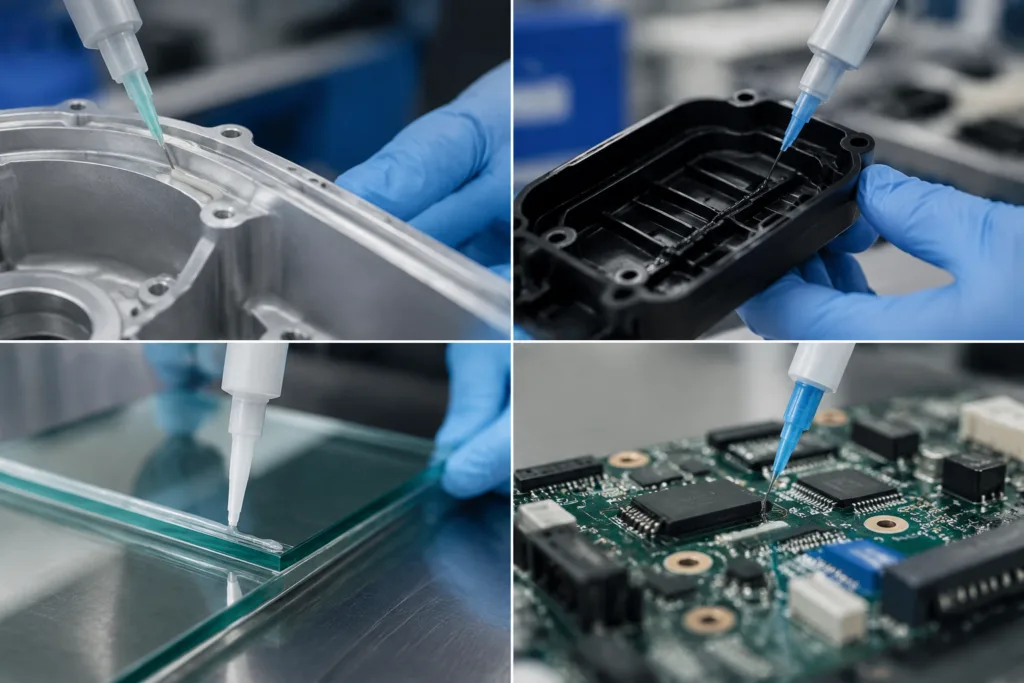
Professional industrial product photography of adhesive use in a clean assembly environment, illustrating bonding between metal, plastic, glass, and electronic parts with realistic details and a neat composition.
Bonding adhesives can also help reduce drilling, surface damage, stress concentration, and visible fasteners.

ZDS Bonding Adhesive

ModelAppearanceViscosityCuringMore
ZDS-5013ABMore
ZDS-2186ABAmber liquid18000-30000 cps5-8 min @25ยฐCMore
ZDS-PA1600AB8 min @25ยฐCMore
ZDS-703ABMore
ZDS-5017ABMore
ZDS-1346AB5 min @25ยฐCMore
ZDS-4018AB1200-1800 cps10-30 s @365-405nmMore
ZDS-5014AB24 h @25ยฐCMore
ZDS-1101AB50000-80000 cps30 min @25ยฐCMore
ZDS-2109011Colorless to light yellow transparent liquid12000-35000 cps150-200mj (50W LED light 395nm)More
ZDS-2201061Transparent or yellowish liquid7 cps200 mJ @ 365/395nm LED lightMore
ZDS-2011031Translucent liquid (thixotropic)10000-25000 cps880mj exposure (2KW medium pressure mercury lamp)More

Bonding Adhesives by Material

Different materials need different adhesive performance. ZDS can help match the adhesive to the surface and final application.

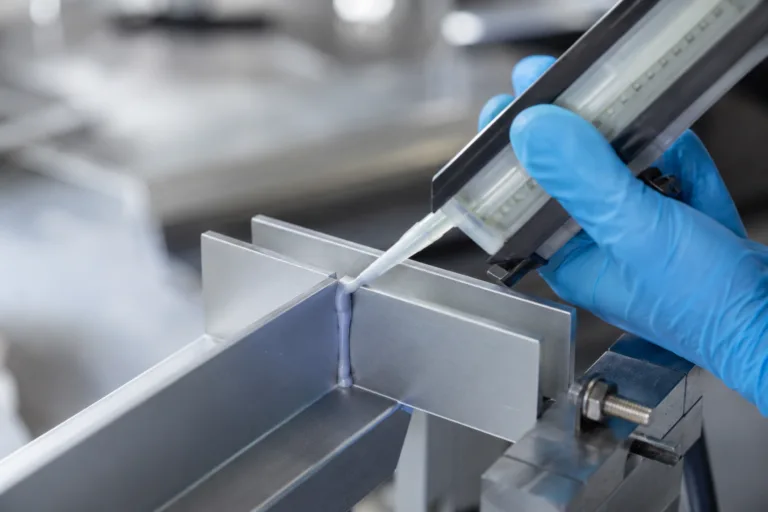
A realistic industrial product photography scene showing adhesive joining two metal parts with a visible bonding line in a clean manufacturing environment.

Metal Bonding Adhesives

Used for aluminum, stainless steel, copper, iron, coated metal, and mixed metal assemblies.
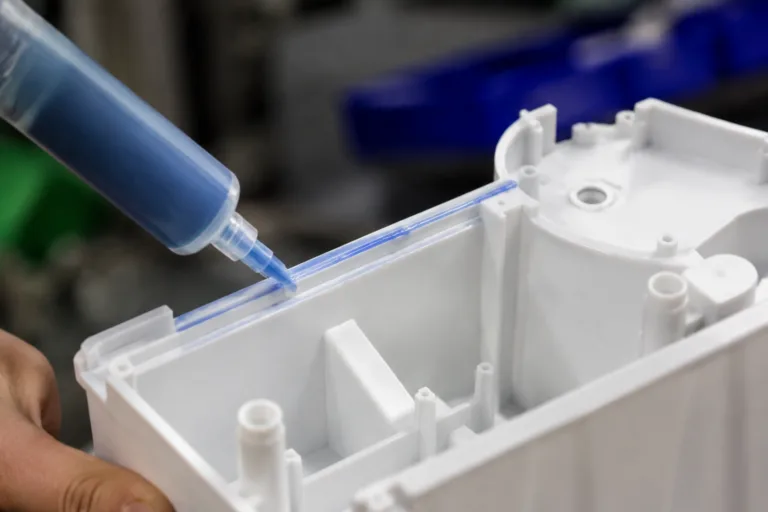
A realistic close-up of adhesive being applied to ABS or PC plastic housing components during electronics or appliance manufacturing, showing a visible glue line and precise industrial assembly.

Plastic Bonding Adhesives

Plastic bonding requires careful adhesive selection because different plastics have different surface energy and heat resistance.
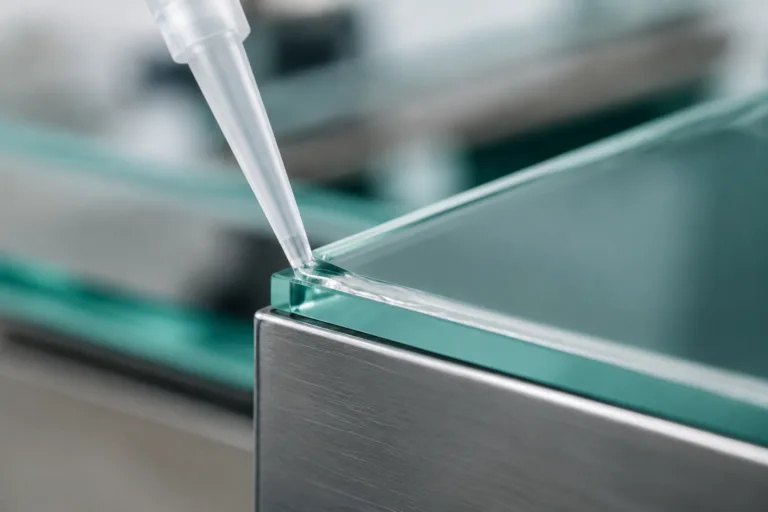
Professional product photography showing transparent adhesive application for glass bonding, with a precise clean line in an industrial manufacturing context.

Glass Bonding Adhesives

Glass bonding often needs clean appearance, transparency, stable adhesion, and resistance to moisture or aging.
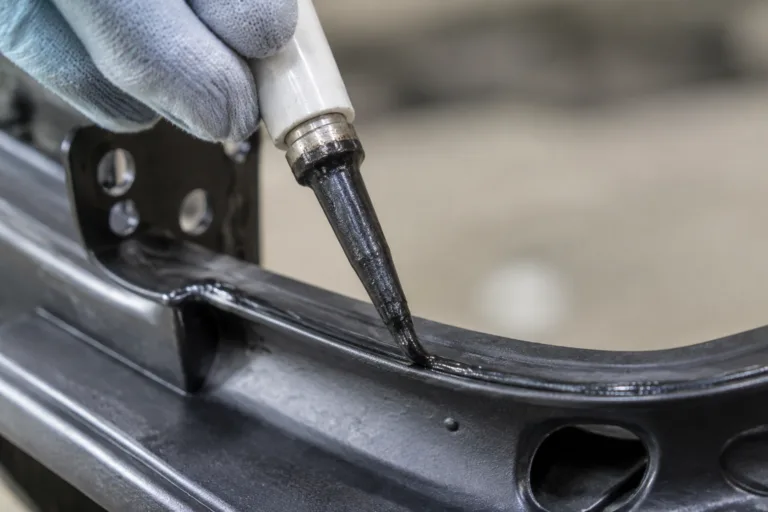
A realistic manufacturing close-up showing rubber bonding adhesive applied during sealing and assembly, with a visible flexible bond between a rubber gasket or strip and a metal or rubber component.

Rubber Bonding Adhesives

Rubber bonding needs flexibility, vibration resistance, and strong adhesion to soft or elastic surfaces.
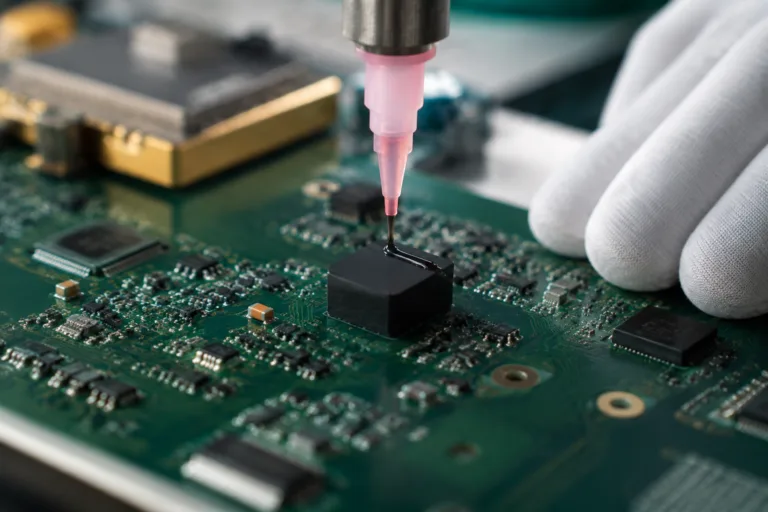
A realistic industrial-style scene of electronic manufacturing, with a close-up showing the precise process of applying adhesive dots and fixing components on a green PCB circuit board. The picture is professional and detailed, without any text or watermark.

PCB and Electronics Bonding Adhesives

Electronic bonding adhesives are used for fixing, positioning, insulation support, and component protection.
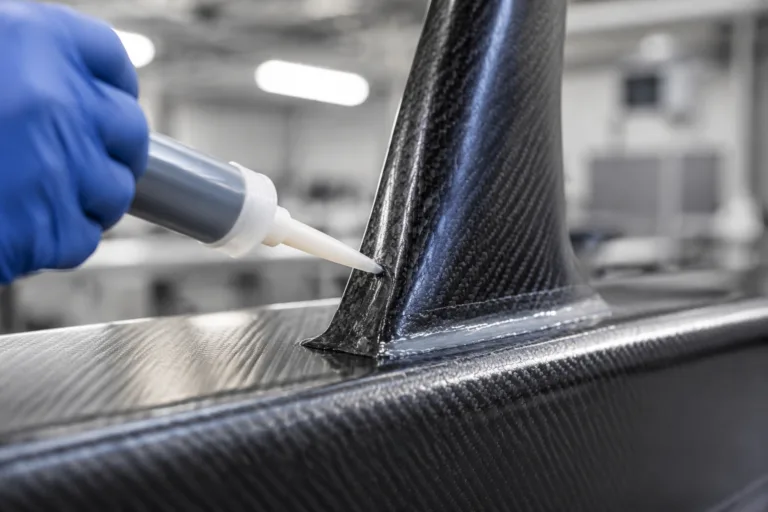
A realistic product-style close-up showing adhesive bonding between composite and carbon fiber structural components in a clean advanced manufacturing setting.

Composite and Carbon Fiber Bonding Adhesives

Composite and carbon fiber parts need bonding adhesives with strong adhesion, good stress distribution, and stable long-term performance.
Custom Bonding Adhesive Options

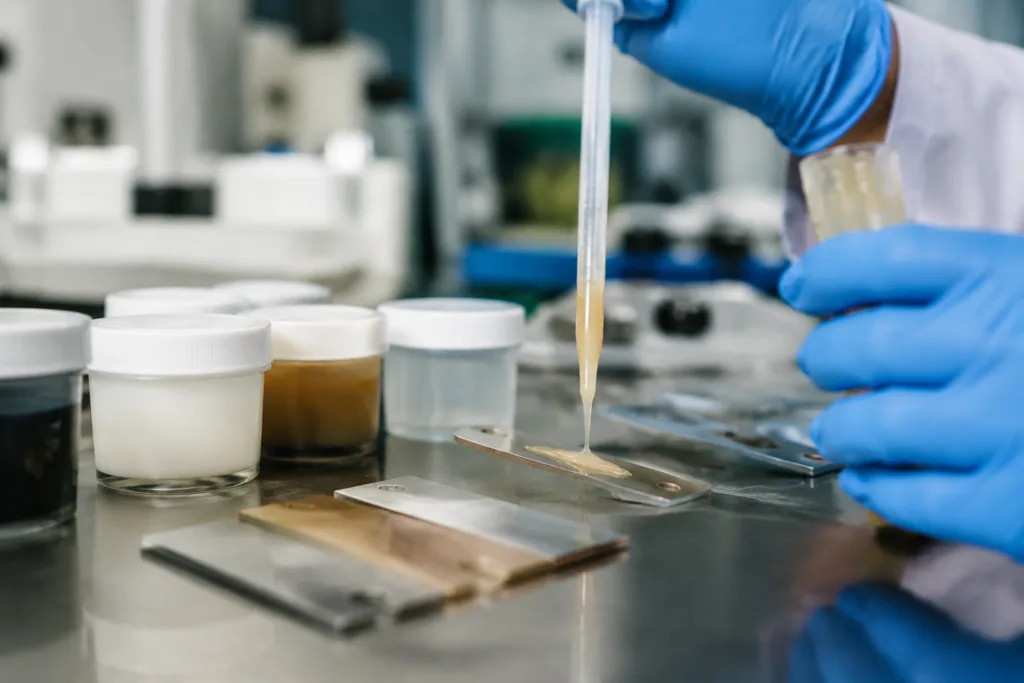
As a custom adhesive manufacturer, ZDS can adjust bonding adhesive properties based on your material, process, and performance target.

Customizable Properties Include:

  • Bonding strength
  • Viscosity
  • Curing speed
  • Open time
  • Hardness
  • Flexibility
  • Color
  • Transparency
  • Heat resistance
  • Water resistance
  • Chemical resistance
  • UV resistance
  • Electrical insulation
  • Thermal conductivity
  • Packaging for manual or automated dispensing
A professional industrial scene showing custom bonding adhesive development and formulation testing, with sample containers, dispensing tools, and bonded material test pieces in a lab-meets-manufacturing setting.
This allows the adhesive to better fit your production line instead of forcing your process to fit a standard product.

Choosing the Right Bonding Adhesive

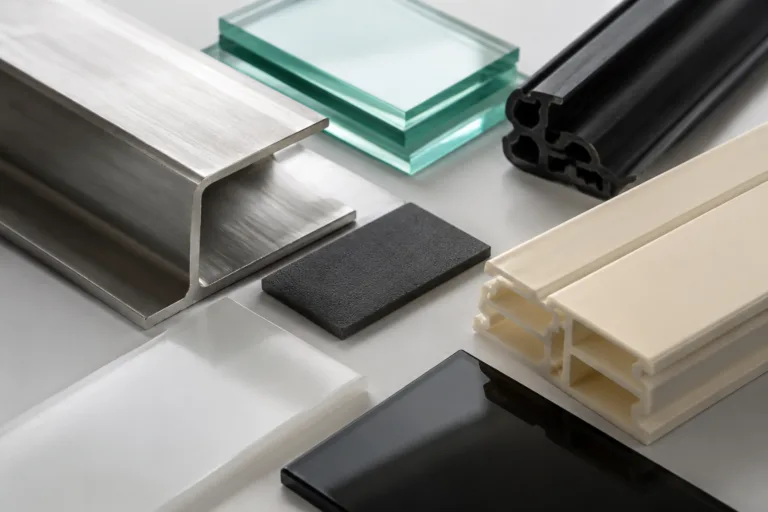
A bonding adhesive should be selected based on the full working condition, not only the material name.
A realistic technical product photo showing assorted materials used for bonding adhesive selection in an industrial planning context.

Material Combination

Are you bonding the same material or different materials, such as metal to plastic, glass to metal, or rubber to metal?
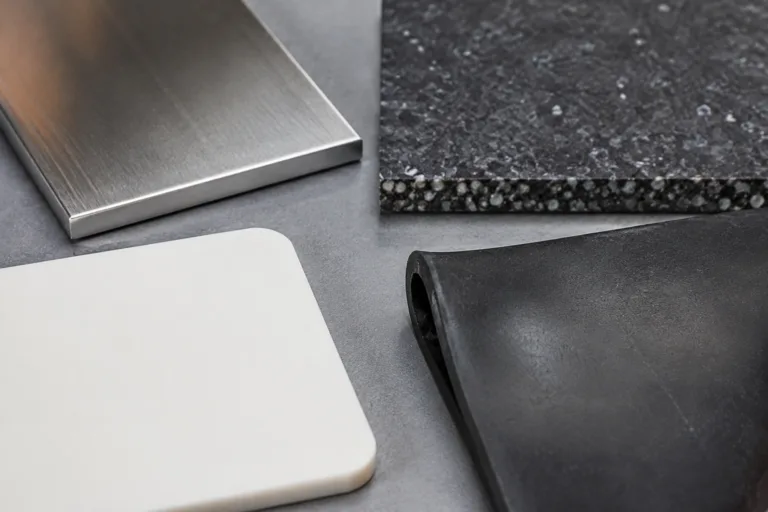
A clean technical industrial close-up showing different material surface texturesโ€”smooth metal, rough composite, coated plastic, and flexible rubberโ€”arranged for adhesive bonding decision comparison in realistic product photography style.

Surface Condition

Is the surface smooth, rough, coated, oily, porous, flexible, or difficult to bond?
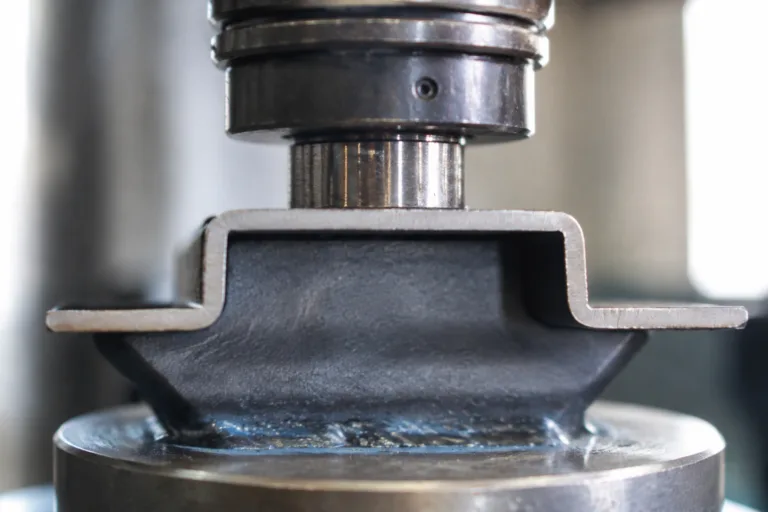
Professional industrial product photography illustrating bonding strength requirements, with bonded components under load to emphasize a durable adhesive joint.

Strength Requirement

Does the bond need to handle pulling, peeling, vibration, impact, bending, or load-bearing stress?
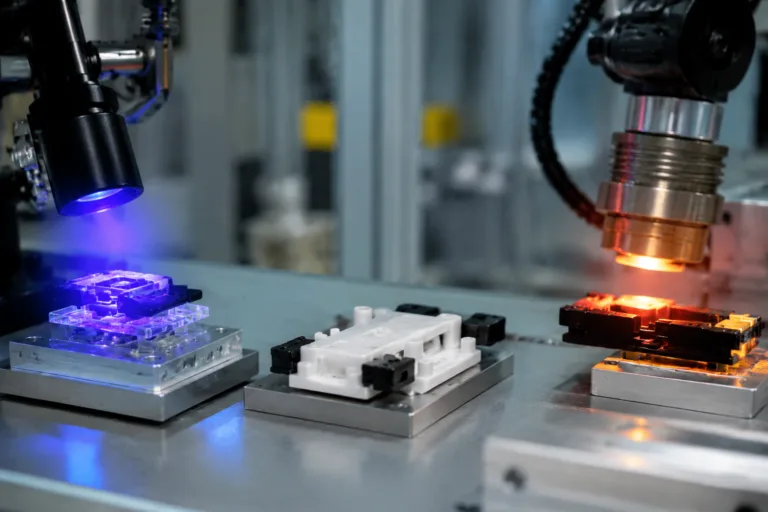
A realistic manufacturing scene showing three adhesive curing approaches: UV light, room temperature setup, and heat-assisted curing.

Curing Method

Do you need room-temperature curing, UV curing, heat curing, fast positioning, or a longer working time?
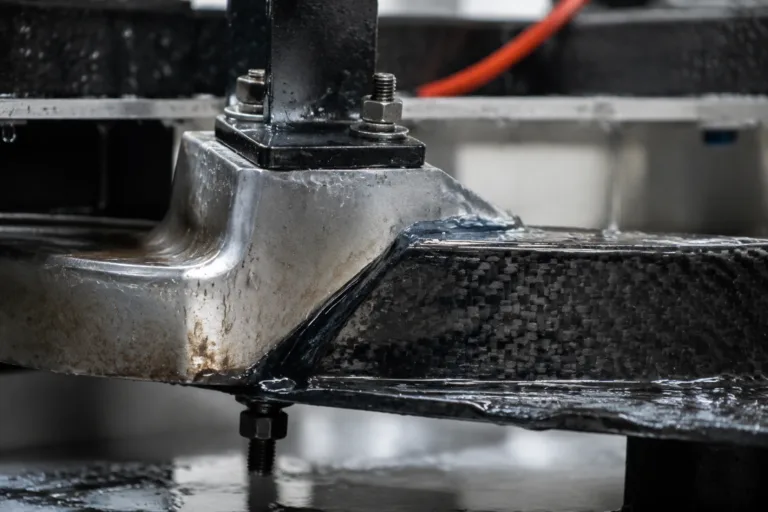
A realistic close-up of bonded parts in an industrial testing environment, showing durability under moisture, heat, vibration, and outdoor exposure.

Working Environment

Will the product face heat, cold, water, humidity, chemicals, outdoor exposure, or long-term aging?
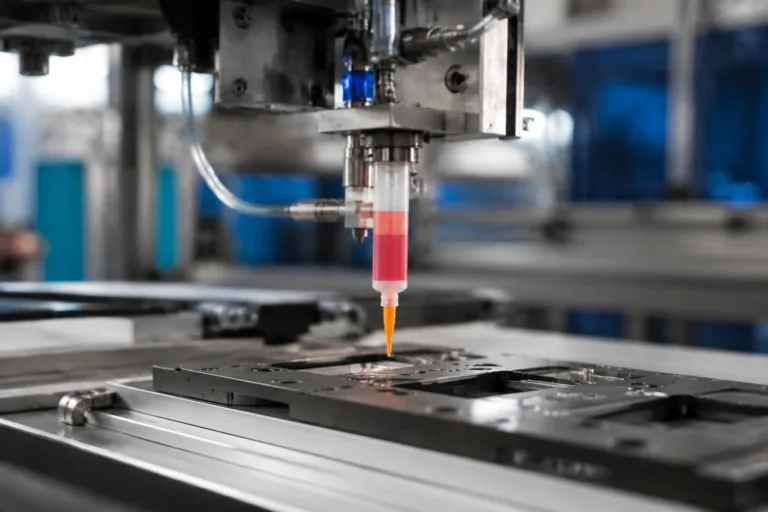
A realistic close-up view of precision adhesive dispensing by automated industrial equipment in a factory, emphasizing bonding application and efficient manufacturing.

Production Method

Will the adhesive be applied by hand, syringe, cartridge, dispenser, robot, or automatic production equipment?
ZDS reviews these details before recommending a suitable bonding adhesive.

Bonding Adhesive Types ZDS Can Support

ZDS can support different adhesive technologies depending on the application requirement.

Epoxy Bonding Adhesives

Good for strong bonding, structural support, heat resistance, and long-term stability.

UV Bonding Adhesives

Good for fast curing, clean bonding lines, transparent parts, glass, plastic, and electronic assembly.

Silicone Bonding Adhesives

Good for flexible bonding, sealing, vibration resistance, and temperature resistance.

Acrylic Bonding Adhesives

Good for fast bonding, high strength, plastic bonding, metal bonding, and mixed-material assembly.

Polyurethane Bonding Adhesives

Good for flexible bonding, impact resistance, and applications that need movement tolerance.

Cyanoacrylate Bonding Adhesives

They are often used for plastic, rubber, metal, electronic parts, small components, and repair applications where quick curing is important.

The final choice depends on your material, production process, and performance needs.

Common Bonding Problems ZDS Helps Solve

Bonding failure is often caused by poor adhesive matching, incorrect surface treatment, or unsuitable curing conditions.

Weak Adhesion

The adhesive may not match the material surface or may need better surface preparation.

Peeling or Cracking

The adhesive may be too rigid, too soft, or not suitable for vibration, bending, or temperature change.

Slow Production Speed

The curing time may be too long for the assembly process.

Poor Appearance

The adhesive may overflow, yellow, form bubbles, or leave an uneven bonding line.

Environmental Failure

The bonded part may fail under heat, water, humidity, chemicals, UV, or outdoor exposure.

Difficult Dispensing

The adhesive may be too thick, too thin, or unstable for automated application.

ZDS helps customers improve bonding results through adhesive selection, viscosity adjustment, curing control, and custom formulation support.

Industries That Use Bonding Adhesives

ZDS bonding adhesive solutions can be used in many industrial fields.

Common Industries Include:

  • Electronics manufacturing
  • LED lighting
  • Automotive parts
  • Battery and energy storage
  • Sensors and control modules
  • Appliances
  • Power tools
  • Outdoor equipment
  • Solar energy products
  • Industrial equipment
  • Construction materials
  • Composite products
  • Carbon fiber products
  • Consumer product assembly
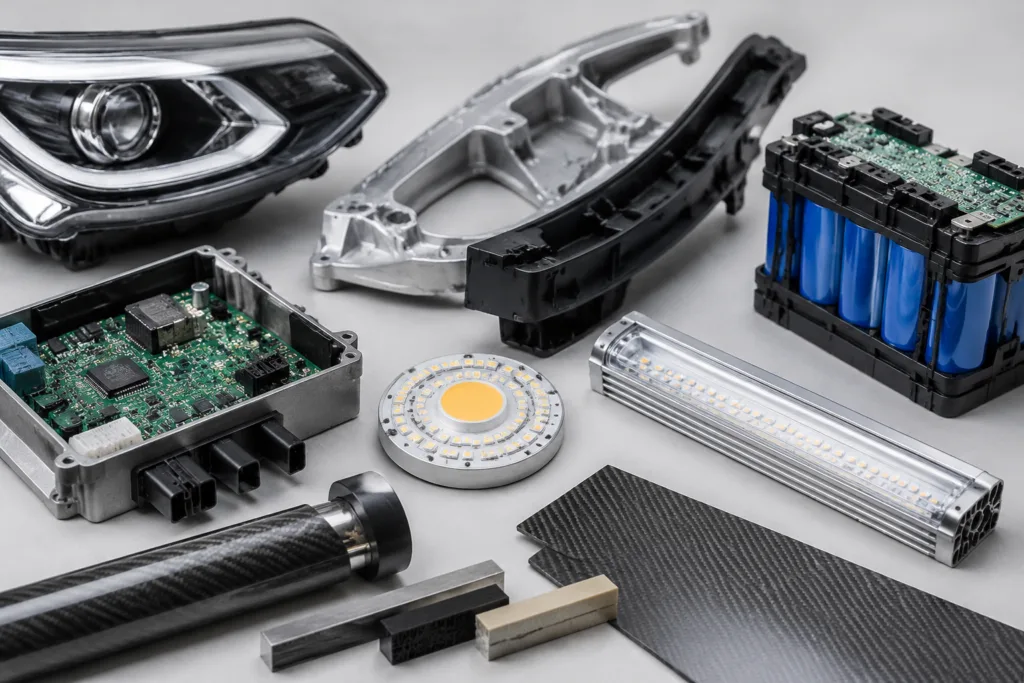
A clean, realistic product photography composition presenting adhesive bonding use cases across multiple industries, including electronics, automotive components, LED modules, battery assemblies, and composite products.

Why Choose ZDS as Your Bonding Adhesive Manufacturer?

Material-Based Recommendation

ZDS helps you choose bonding adhesives based on the actual material combination and surface condition.

Application-Based Support

We consider strength, curing speed, working environment, production method, and final use.

Custom Adhesive Capability

ZDS can adjust viscosity, curing speed, flexibility, strength, transparency, resistance, and other properties for special bonding needs.

Industrial Manufacturing Focus

Our bonding adhesive solutions are developed for production, not only for lab testing. We consider batch use, dispensing, packaging, storage, and assembly efficiency.

Support for Multiple Adhesive Technologies

ZDS can support epoxy, UV, silicone, acrylic, polyurethane, and other adhesive solution directions based on project requirements.

Need a Bonding Adhesive for Your Product?

Tell ZDS what materials you need to bond, how the product will be used, and what performance you need. Our team can help recommend a suitable bonding adhesive or discuss a custom formula.

FAQ

What is a bonding adhesive?
A bonding adhesive is used to join two or more materials together. It can be used for metal, plastic, glass, rubber, ceramic, PCB, composite, carbon fiber, and many other materials.
In many applications, yes. Bonding adhesives can replace or support screws, welding, rivets, clips, and tapes. The right choice depends on the strength, material, and working environment.
ZDS bonding adhesive solutions can support metal, plastic, glass, rubber, ceramic, PCB, fabric, stone, foam, composite, carbon fiber, and mixed-material bonding applications.
Yes. ZDS can customize bonding adhesive properties such as viscosity, curing speed, strength, flexibility, transparency, heat resistance, waterproofing, and chemical resistance.
You should consider the materials, surface condition, required strength, curing method, working environment, and production process. ZDS can help review these details and recommend a suitable solution.
ZDS LTD ยท Adhesive Manufacturer

Get the Right Adhesive Recommendation

Not sure which adhesive fits your material, process, or performance needs?
Share a few project details, and our team will suggest a suitable ZDS product or custom formulation.