
Understanding Adhesive Manufacturers
Choosing the right adhesive manufacturer can define the outcome and reliability of your project. From product performance to delivery timelines, the manufacturer’s expertise and capabilities influence every stage. In this guide, we break down what distinguishes a trustworthy adhesive manufacturer from others, which factors matter most, and how buyers can ensure a strong collaboration from the outset.
For readers looking for the right adhesive manufacturer for your specific project needs, it also helps to review how manufacturers present this solution on their official site. This dedicated resource offers further detail on product scope, technical support, and brand expertise, helping engineers, sourcing teams, or project managers align solution choices with real-world application requirements.
What Is an Adhesive Manufacturer?
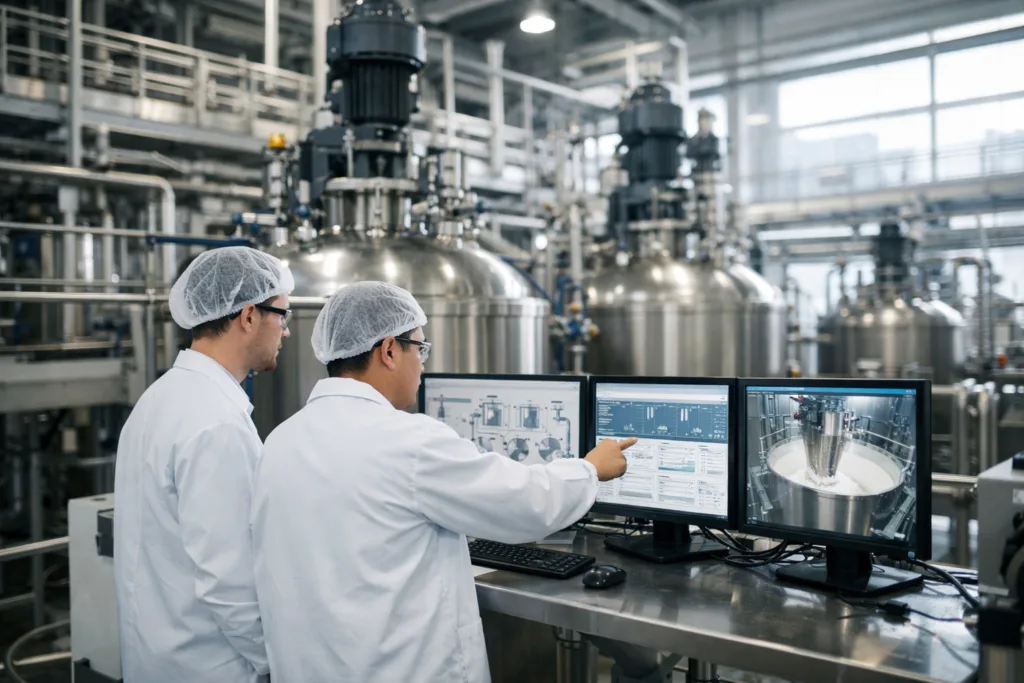
An adhesive manufacturer is a company that develops, formulates, produces, and sometimes customizes adhesives at scale. Unlike general trading companies or resellers, true manufacturers are responsible for the chemical engineering, raw material sourcing, process control, and ongoing innovation of adhesive products. Their involvement includes R&D, quality control, sample prototyping, and sometimes after-sales technical support. Common adhesive types include epoxies, polyurethane, cyanoacrylate, silicones, and advanced hybrid systems for industrial requirements.
Manufacturer vs. Supplier or Distributor: Key Differences
It’s crucial to distinguish an adhesive manufacturer from a supplier, distributor, or trading company. Manufacturers own the formulation process and production lines. They can adapt recipes, create new chemistries, and control batch consistency. Suppliers and distributors, on the other hand, source products from multiple origins and primarily manage logistics. While some suppliers claim technical support, only manufacturers deliver true application-driven customization or direct QC assurances.
Why the Manufacturer’s Capabilities Matter
Not every adhesive manufacturer is created equal. A reputable manufacturer invests heavily in research, advanced testing, and process automation—factors that give buyers confidence in quality and long-term partnership. Evaluating capabilities avoids common project pitfalls like inconsistent batches or delayed shipments.
Research and Development Strength
Your manufacturer should demonstrate an active, ongoing commitment to R&D, not just legacy formulations that rarely improve. The best adhesive manufacturers invest in new chemistry, environmental resistance, improved bond strength, and safer material handling. This spirit of innovation ensures they can solve emerging material and process challenges in multiple industries.
Sample Prototyping and Testing
Before full-scale production, high-quality manufacturers support buyers with sampling, prototyping, and test batch runs. This hands-on process allows for property validation, process simulation, and application fit analysis—catching costly errors before they escalate. Industrial buyers and engineering teams should insist on accessible test samples and transparent feedback from the manufacturer’s lab.
Customization Options and Flexibility
Some projects require unique viscosity, open time, color, or cure speed. True manufacturers offer flexible customizations, whether adjusting a standard formulation or developing a fully bespoke system. This flexibility is especially relevant for sectors facing unique substrates, automation demands, or challenging service environments.
Quality Control (QC) Systems
A reliable adhesive manufacturer enforces tight QC at every stage—raw material inspection, in-process monitoring, and final batch testing. Robust QC systems reduce defects, batch variation, contamination risks, and warranty incidents. Buyers should request QC documentation and challenge manufacturers on their test protocols and traceability systems.
Batch Consistency and Supply Chain Stability
Industrial buyers depend on batch-to-batch consistency, especially for automated assembly or regulated manufacturing. Consistency issues can cause process downtime, rework, and compliance penalties. Established manufacturers use automated dosing, closed-loop feedback, and strict supplier vetting to achieve reliable product repeatability—even during raw material shifts or market turbulence.
Delivery Support and Lead Time Management
Meeting a project deadline is as important as adhesive performance. Manufacturers must coordinate production slots, raw material logistics, and delivery reliability to minimize disruption for customers. Those with in-house logistics or global warehouse networks have a clear advantage in timely delivery, especially for urgent or repeat orders.
When Should Buyers Work Directly with a Manufacturer?
Direct manufacturer partnerships make sense under specific circumstances:
- High-volume projects where economies of scale justify direct negotiation
- Applications needing special formulation, certification, or process adaptation
- Scenarios involving tight specification windows or complex performance validation
- Industries facing regulatory or material traceability requirements
Smaller projects or simple commodity adhesives may be well served by distributors, but any scenario with elevated requirements benefits from manufacturer-level engagement.
Key Criteria for Evaluating Adhesive Manufacturers
Technical Application Support
Will the manufacturer provide real, engineer-level support analyzing your unique challenges? The most valuable adhesive suppliers offer pre-sales consultation, application troubleshooting, joint testing, and post-installation guidance. This support speeds up problem-solving and minimizes misapplication risk.
Certification and Regulatory Awareness
While not every project needs strict standards, working with a manufacturer familiar with REACH, RoHS, UL, or ISO frameworks ensures futureproofing. Experienced adhesive manufacturers will at least recognize basic compliance in their target countries and advise on risks proactively.
Material and Substrate Compatibility
Every industry faces different bonding challenges—metals, plastics, composite materials, foam, or electronics packaging. The manufacturer should demonstrate past success with your exact substrate and share summary guidance on known risks, successful case studies, and best-fit products.
Scale, Capacity, and Growth Support
Your project requirements may grow over time. Select a manufacturer that can flex production volume, packaging type, and shipment frequency in line with your scale. Avoid partners whose limited production or outdated processes could bottleneck your business in the future.

How to Confirm Manufacturer Authenticity
Online profiles and catalogs sometimes blur the line between true manufacturers and intermediaries. Look for these indicators to spot the real thing:
- Factory site tours (virtual or in-person)
- Clear R&D or lab photos with staff and equipment
- Direct ownership of test reports and patents
- Open discussion of process automation, unique technologies, or custom material handling
Red Flags: Warning Signs When Selecting a Manufacturer
Certain practices suggest an adhesive supplier may not add much value:
- Refusal to discuss formulation details, customization, or process adaptation
- Limited supporting documentation or vague answers about QC systems
- Minimal sample support or knowledge about your application
- No in-house R&D or visible technical staff
- Poor communication, inflexible terms, or unwillingness to reference prior application successes
Project Scenarios That Demand True Manufacturers
Direct manufacturer support is typically required when:
- Developing proprietary products or confidential assemblies
- Bonding to exceptionally challenging or new substrates
- Complying with advanced fire, chemical, or electronic safety standards
- Needing traceable documentation and rapid issue resolution
Common Mistakes When Sourcing Adhesive Manufacturers
Buyers sometimes prioritize price above all else, missing hidden costs tied to failure rates, shipping delays, or long-term incompatibility. Others underestimate the importance of local support or after-sale reaction speed. Avoid skipping cross-comparisons—never base your decision solely on a single online quotation.
How to Balance Cost, Quality, and Flexibility
The least expensive product may become the most expensive error if batches are inconsistent or poor documentation weakens compliance. Industrial glue manufacturers with higher technical investment often offset up-front cost with stability and application support, saving more over the product life cycle. Prioritize factors that matter most for your risk exposure and quality threshold, not just initial quotation value.
Case Example: Working with ZDS on a Custom Project
At ZDS, we’ve seen engineering teams benefit from close, early-stage collaboration. For instance, a high-volume automotive client needed a new adhesive for lightweight composite bonding—performance that basic off-the-shelf products could not match. Our R&D team worked side-by-side to prototype test batches, coordinate validation, and adapt cure profiles. This resulted in a stable process with verifiable gains in production speed and reduced warranty claims. The experience demonstrates that direct access to the manufacturer leads to faster troubleshooting, realistic flexibility, and long-term project wins.
Checklist: Buyer Steps for Selecting an Adhesive Manufacturer
- Define critical application needs (substrate, bond lines, cure environment)
- Compare at least 2–3 manufacturers using key capability criteria
- Request test samples and verify batch documentation
- Evaluate speed and clarity of communication
- Assess capacity, surge support, and logistics reliability
- Ask for real technical advice, not just price lists
How to Engage an Adhesive Manufacturer Effectively
Clarity matters—provide your project details, target materials, and quality requirements upfront. Use reference drawings, prototypes, or past failure examples if available. Push for honest feedback on potential risks and process challenges. Open dialogue saves time and reduces misinterpretation.
Reviewing the Manufacturer’s Services
Beyond products alone, check on sampling speed, documentation support, failure analysis, and co-engineering services. Manufacturers that treat your project as a partnership—rather than a series of transactions—are more likely to be dependable under pressure. For a deeper look at available options, buyers can explore our full adhesives range online, covering industrial, specialty, and project-specific materials for various market segments.
Getting the Most from Manufacturer Collaboration
Long-term results depend on partnership quality. Encourage regular feedback, periodic sample reviews, and escalation pathways for urgent issues. Manufacturers remain most responsive when both sides treat the partnership as a shared venture in quality and innovation. If you face a unique performance challenge, consider the custom solutions offered by our manufacturer lab, which supports formulation adjustments and application troubleshooting for complex projects.
How to Choose the Right Adhesive Manufacturer for Your Project
This decision revolves around technical goals, application risks, and the need for responsive, scalable manufacturing support. Prioritize those who welcome transparency, value quality documentation, and treat your project as more than a sales opportunity. Always balance cost against batch stability, application fit, and technical backup—elements that pay off in long-term reliability and supply assurance.
Conclusion: Evaluate Your Project’s Demands, Then Choose Capacity Over Convenience
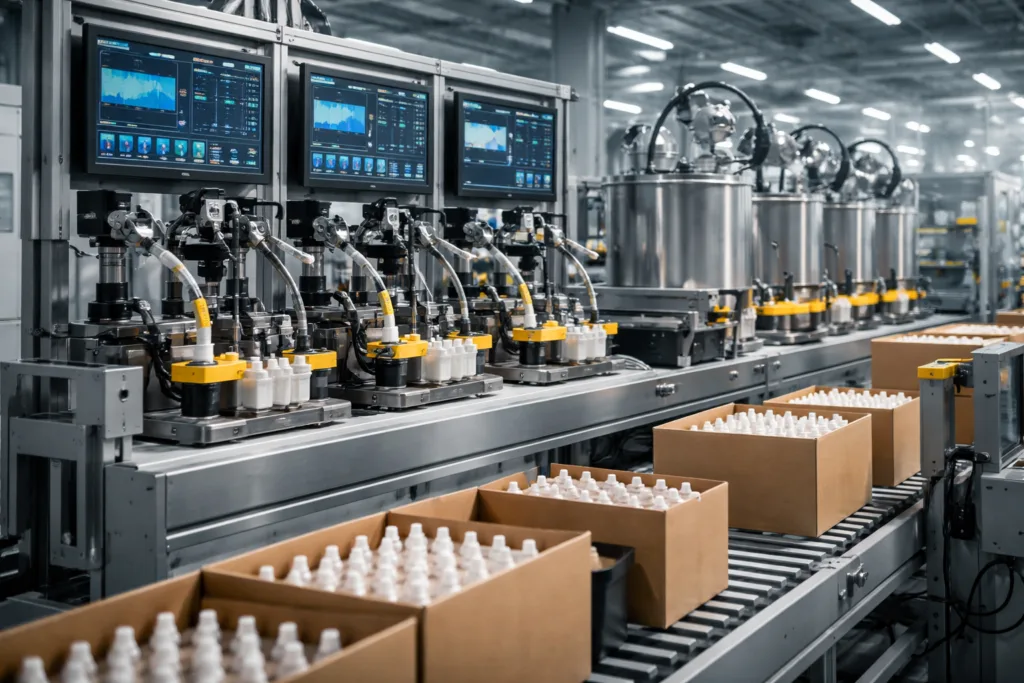
Adhesive choices can either enable high-performance, risk-controlled assembly—or lead to costly rework and uncertainty. Working directly with an adept adhesive manufacturer ensures you’re prepared for technical hurdles, future growth, and elevated application needs. Take time to compare manufacturing partners, clarify your project’s core demands, and partner where the value lies—in process knowledge and sustainable support, not just the lowest initial price.
Frequently Asked Questions
What makes a manufacturer better than a supplier for adhesive selection?
Manufacturers provide direct access to R&D, custom formulation, batch control, and real application support; suppliers mainly offer logistical services and off-the-shelf options.
How do I verify an adhesive manufacturer’s credibility?
Check for clear evidence of in-house production, factory tours, independent test certifications, sample support, and timely, knowledgeable technical communication.
Is customization available only from true manufacturers?
Yes, only manufacturers have the facilities and formulation expertise to tailor adhesives, while distributors can only offer what’s on their existing product lists.
When is it necessary to bypass a distributor and contact a manufacturer directly?
When you need special properties, compliance documentation, volume pricing, or require rapid troubleshooting with technical support, direct manufacturer contact is ideal.
What should I ask during my first call with an adhesive manufacturer?
Ask about prior experience with your substrate, willingness to provide samples, customization options, lead times, and QC systems in place to support consistency.
Can small buyers still benefit from manufacturer partnerships?
Often yes—many manufacturers accommodate low MOQs for innovative or strategic projects, especially where application fit rather than scale is most critical.